











Google's latest flagship device, the Pixel 10, marks another step in the evolution of Android smartphones, delivering tangible hardware upgrades while heavily emphasizing artificial intelligence. Building upon its predecessor, the Pixel 9, the new model introduces a more robust battery and an integrated telephoto zoom lens, addressing key user needs for extended usage and enhanced photography. Despite these welcome physical improvements, a significant portion of the Pixel 10's innovation resides in its AI capabilities, which, similar to previous generations, present a mix of truly transformative tools and features that may not resonate with every user. The device positions itself as a competent Android handset for everyday tasks, excelling in photography and providing ample battery life. For those eager to embrace cutting-edge AI in their mobile experience, the Pixel 10 offers several compelling features, yet the overall sentiment leans towards a period of subtle rather than revolutionary advancements in the smartphone market.
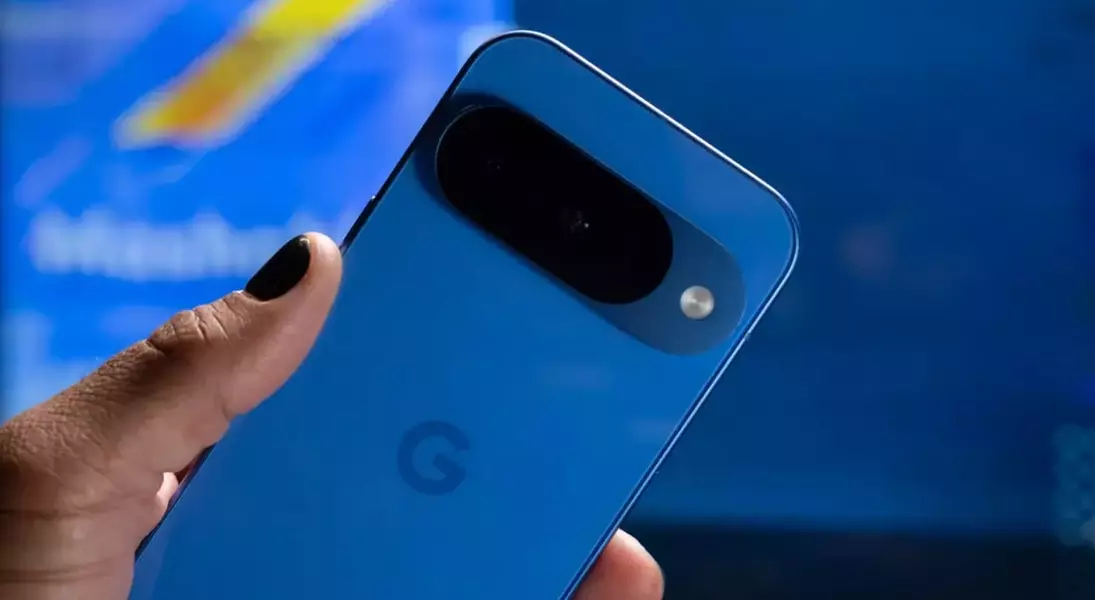
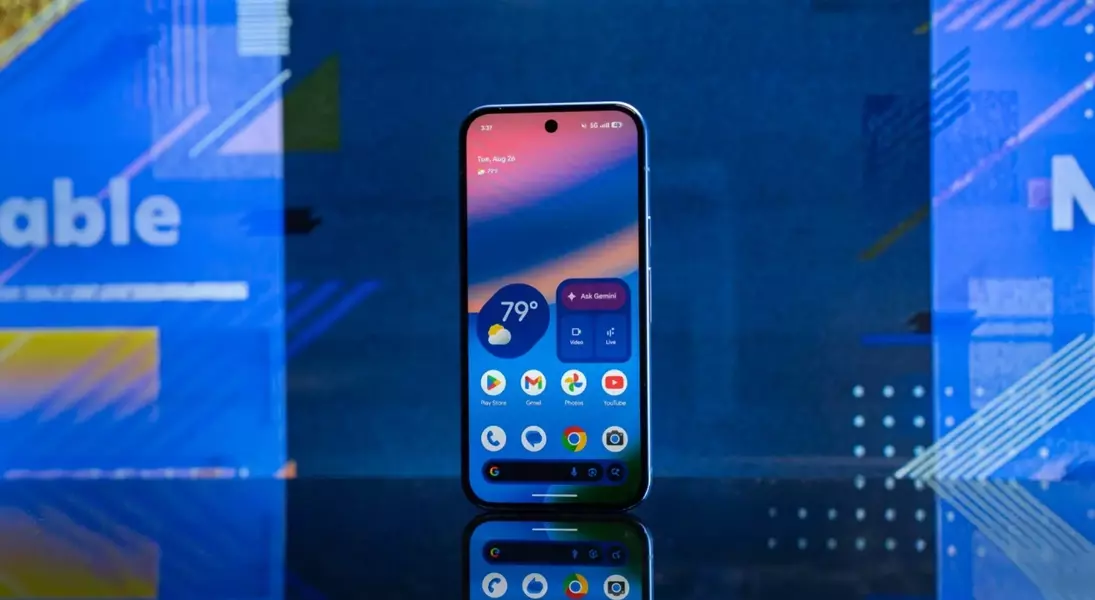
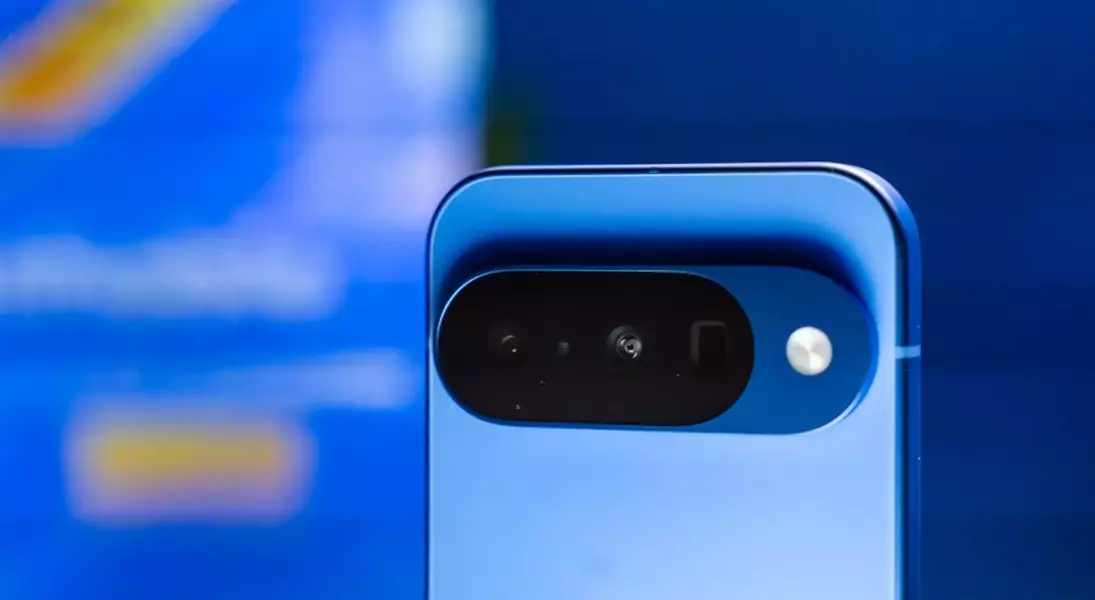
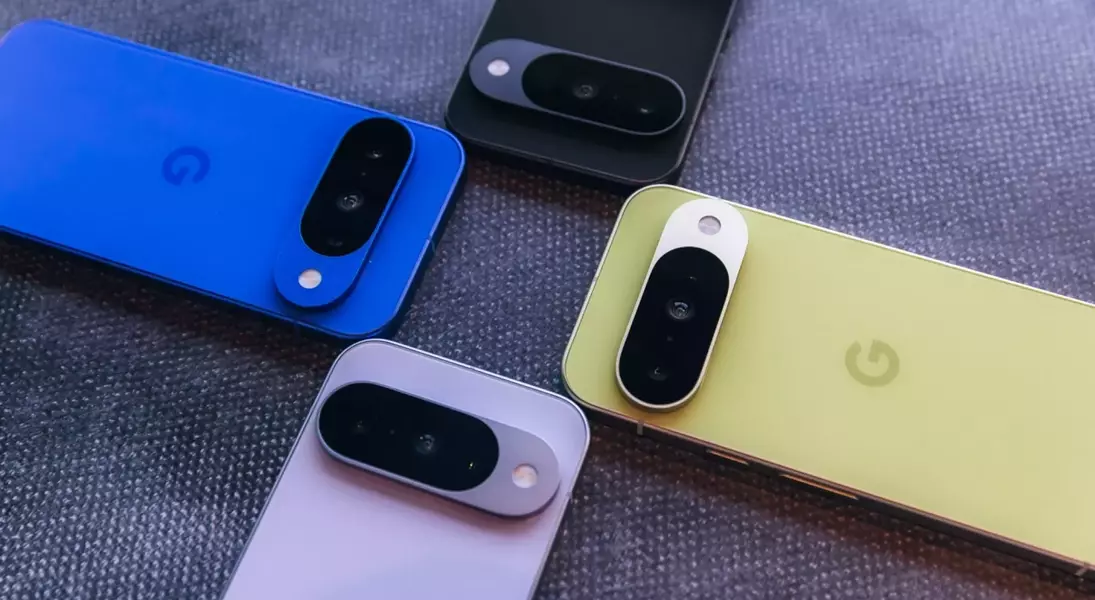
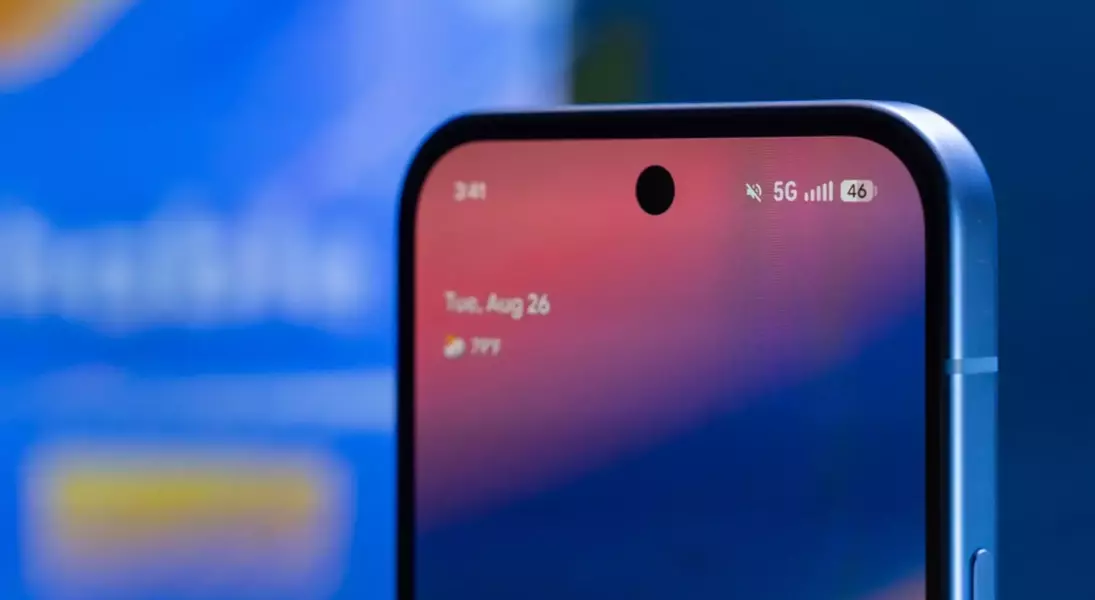
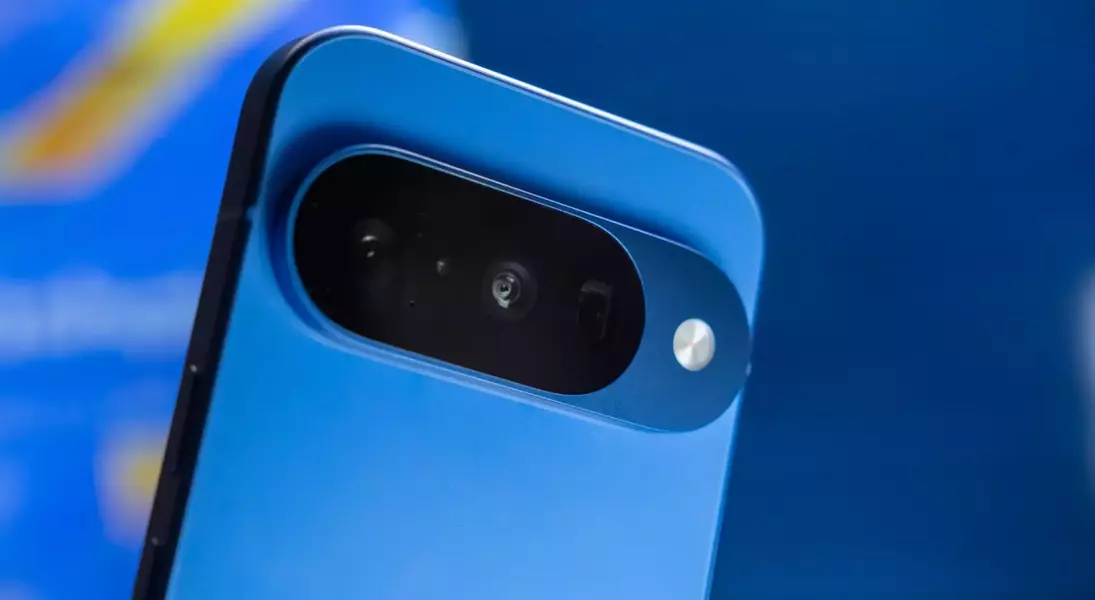
Diving deeper into the Pixel 10’s specifications, design, and performance reveals a thoughtfully engineered device. Priced at $799, consistent with its forebear, it boasts a vibrant 6.3-inch display with an adaptive refresh rate, ensuring vivid visuals and smooth interactions, even under direct sunlight, thanks to its enhanced peak brightness. The inclusion of a larger 4,970mAh battery significantly extends usage time, providing impressive endurance that often surpasses 24 hours on a single charge, even with demanding settings like 120Hz mode enabled. Powering these features is the new Tensor G5 chip, which facilitates seamless application performance and efficient handling of intensive AI functions, though precise benchmark data was unavailable at the time of review. Visually, the Pixel 10 maintains a familiar aesthetic, mirroring the Pixel 9 with its distinctive horizontal camera bar. However, the addition of a third camera lens subtly distinguishes it. Available in attractive colors such as Indigo, Frost, Lemongrass, and Obsidian, the device’s design remains largely consistent, underscoring Google’s focus on internal enhancements and AI integration over radical redesigns. The camera system sees significant changes, notably the introduction of a 10.8MP telephoto lens with 5x optical zoom on the base model, a feature previously exclusive to the Pro series. While optical zoom delivers impressive results, digital zoom beyond 5x can compromise image quality. The main and ultrawide lenses also contribute to a strong photographic performance, maintaining Google's reputation for excellent computational photography, particularly in challenging low-light conditions with its effective Night Sight mode and commendable portrait capabilities.
The Pixel 10’s suite of AI features represents both its ambition and its current limitations. Live translation during phone calls stands out as a genuinely useful innovation, facilitating real-time communication across languages, albeit with a slight delay and a unique voice replication feature that users might find either intriguing or unsettling. Another promising AI tool is Magic Cue, which intelligently retrieves relevant personal information from messages, emails, or calendars based on conversational context, a time-saving convenience that enhances user experience. However, other AI additions, such as the Daily Hub widget, appear less impactful, offering aggregated information that is easily accessible through conventional means, and personalized AI prompts often yield predictable or less engaging responses. Generative photo editing, allowing users to modify images with text commands, demonstrates impressive technological prowess but frequently produces results that appear artificial, making it more suitable for minor retouches than creative transformations. Ultimately, while the Pixel 10 is a well-rounded and capable smartphone, its incremental hardware upgrades and varying utility of its AI features suggest that it is most appealing to users upgrading from older models or those with a strong interest in the evolving landscape of AI-powered mobile experiences. For serious photography enthusiasts, the Pixel 10 Pro, with its enhanced camera capabilities and a slightly higher price point, remains the superior option.
In an era where smartphone innovations often feel iterative, the Google Pixel 10 stands as a testament to steady progress, combining reliable performance with thoughtful enhancements. It embodies the ongoing pursuit of technological refinement, demonstrating how even small improvements in battery life, camera functionality, and the cautious integration of AI can collectively elevate the user experience. This journey of incremental advancement reminds us that true progress is not always about groundbreaking leaps, but often about consistent, meaningful steps that enhance our daily lives, making technology more intuitive and powerful without overwhelming us with unnecessary complexities. Embracing such measured evolution allows us to appreciate the subtle yet significant ways technology continues to serve and enrich our world.
