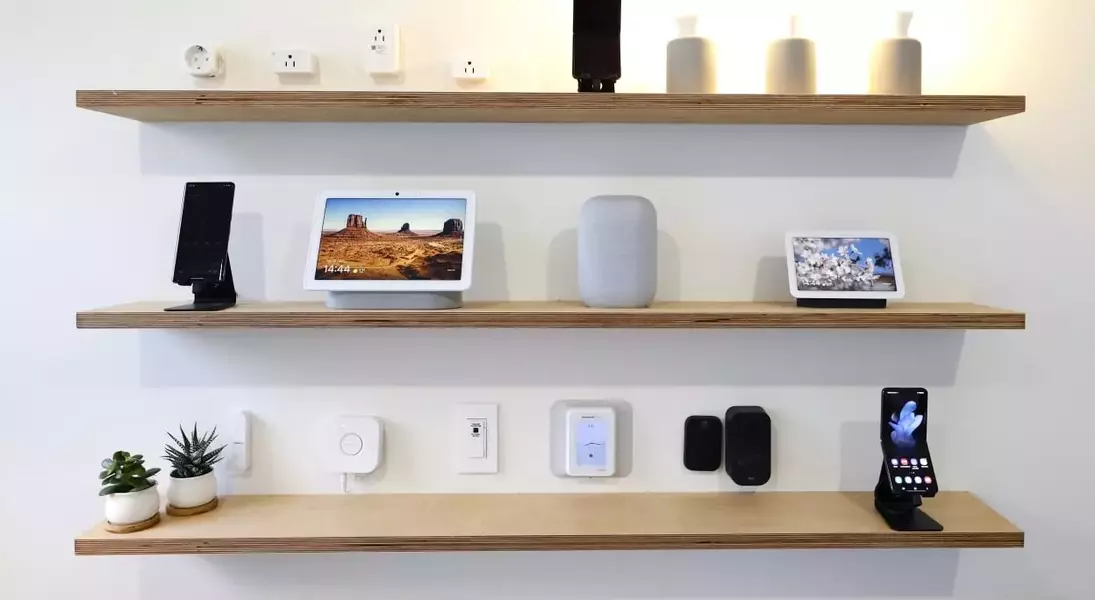
Owners of Google Home and Nest smart devices are increasingly expressing severe frustration over a noticeable decline in their products' functionality. This growing discontent among users highlights a widespread issue of diminishing performance within Google's smart home ecosystem, leading many to question the long-term viability and reliability of these once-heralded intelligent assistants. The reported problems suggest a trend of hardware and software degradation that is impacting basic operations and overall user experience.
Reports from a Reddit discussion on July 21 reveal a community grappling with what some term the 'enshittification' of Google Home. Users describe their smart speakers and hubs, once seamlessly integrated into daily life, as now unreliable. Many recount instances where devices that previously executed commands flawlessly now falter, misinterpret requests, or respond with significant delays. This operational decay extends to core functionalities like voice command recognition and the stability of multi-room audio setups, which frequently fail to work as intended.
In response to these escalating concerns, Anish Kattukaran, Chief Product Officer of Google Home and Nest, publicly acknowledged the issues, stating Google's commitment to addressing them and providing long-term solutions for improved reliability. Despite these assurances, the ongoing degradation of device functionality has left many users feeling as though their smart home systems are slowly being phased out, diminishing their value proposition over time. This situation underscores the critical need for continuous software support and careful integration of new technologies like AI to prevent a decline in user trust and product effectiveness.
