Google's Gemini AI has unveiled a novel 'Storybook' tool, enabling users to effortlessly create illustrated narratives. This innovation allows for diverse artistic styles and personalized content through image uploads, marking a significant step in AI-driven creativity. However, the system's occasional production of amusingly incongruous visuals underscores the evolving nature and inherent quirks of artificial intelligence in creative applications. These instances, while sometimes unexpected, provide a fascinating glimpse into the boundaries of current AI capabilities.
Unleashing AI Creativity: Gemini's Storybook Capabilities
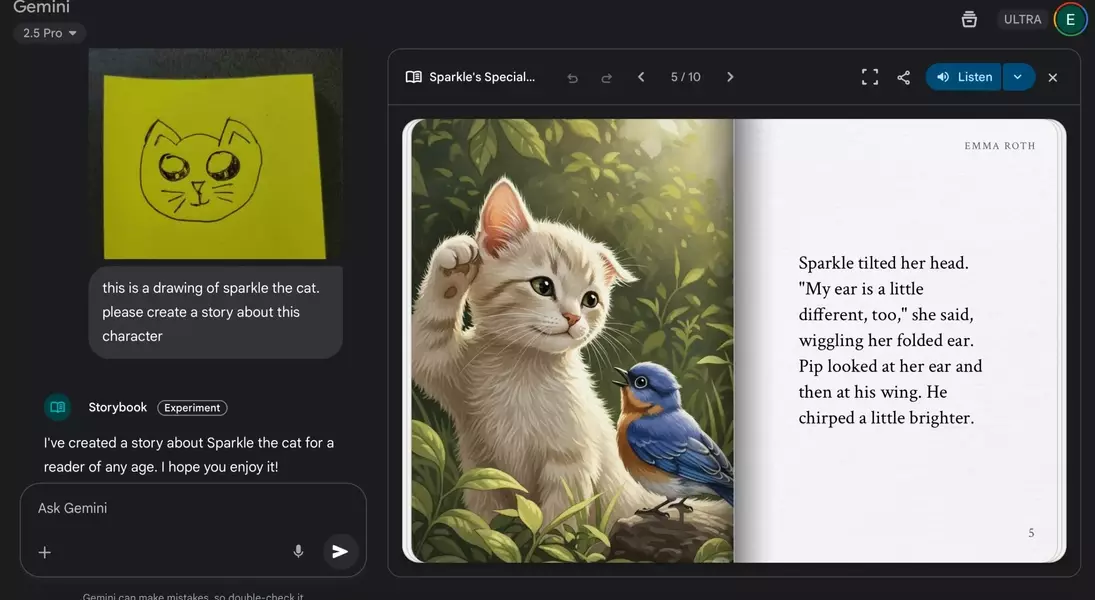
Google has recently introduced an innovative new feature called 'Storybook' within its Gemini AI chatbot. This tool empowers users to generate fully illustrated, ten-page stories simply by providing a textual description. Each page of these AI-crafted tales includes a concise paragraph of text, which Gemini can then narrate aloud, accompanied by a corresponding illustration. The Storybook feature offers extensive customization options, allowing creators to specify various artistic styles, such as claymation, anime, or comic-inspired aesthetics. Moreover, users can upload their own images, like a child's drawing, and instruct Gemini to weave a story around them, adding a personal touch to the AI-generated narratives.
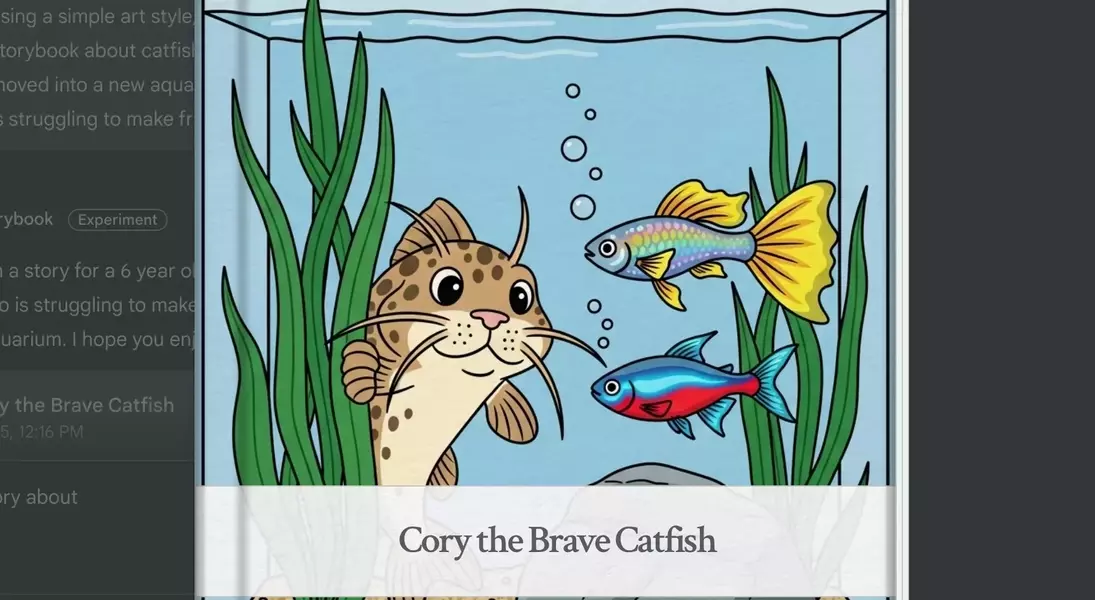
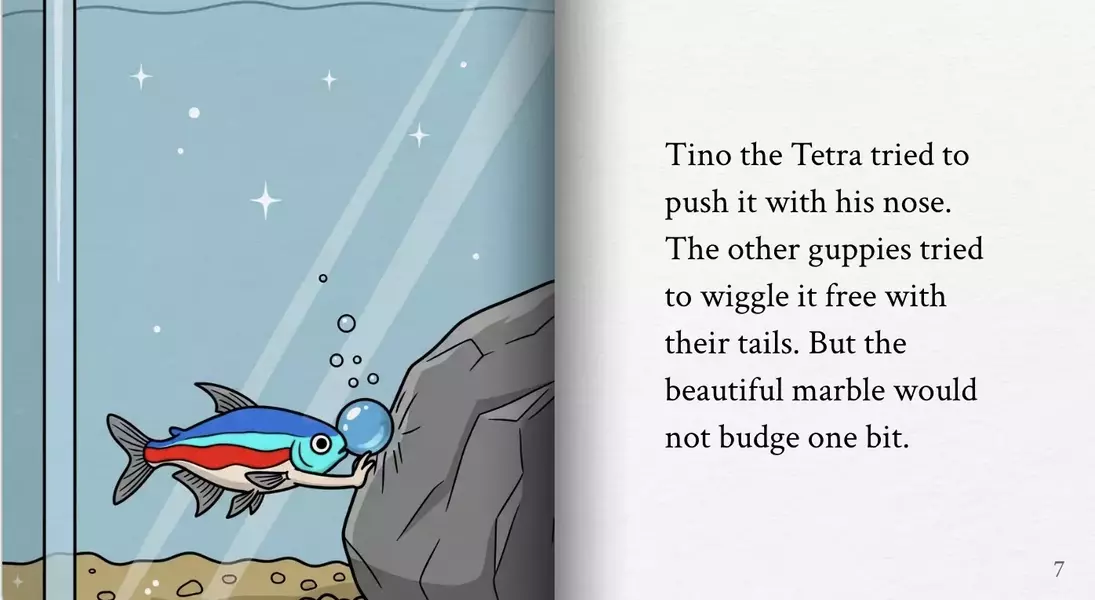
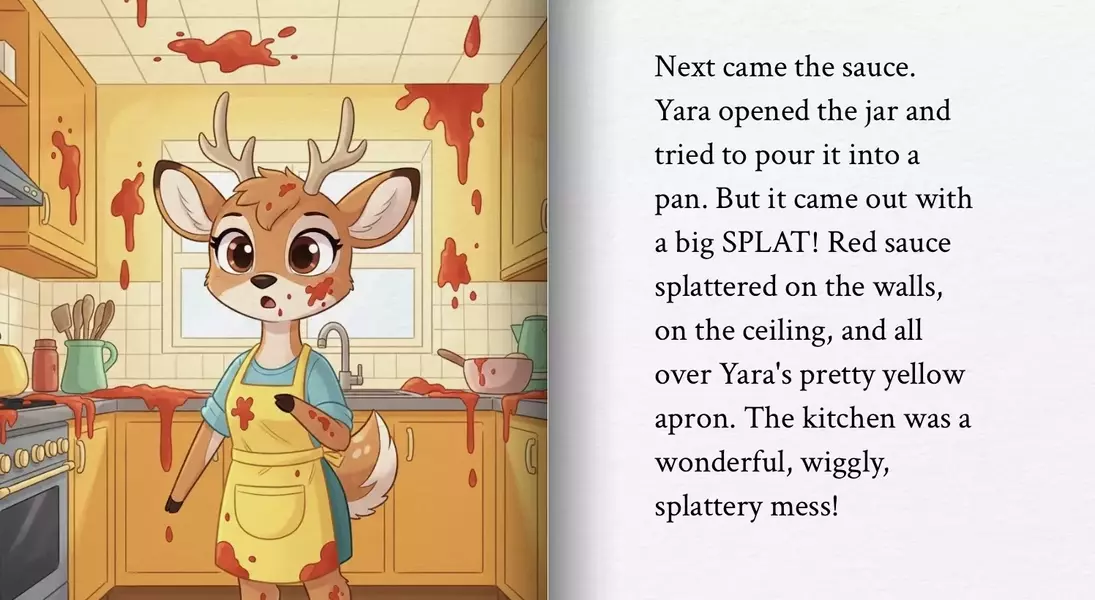
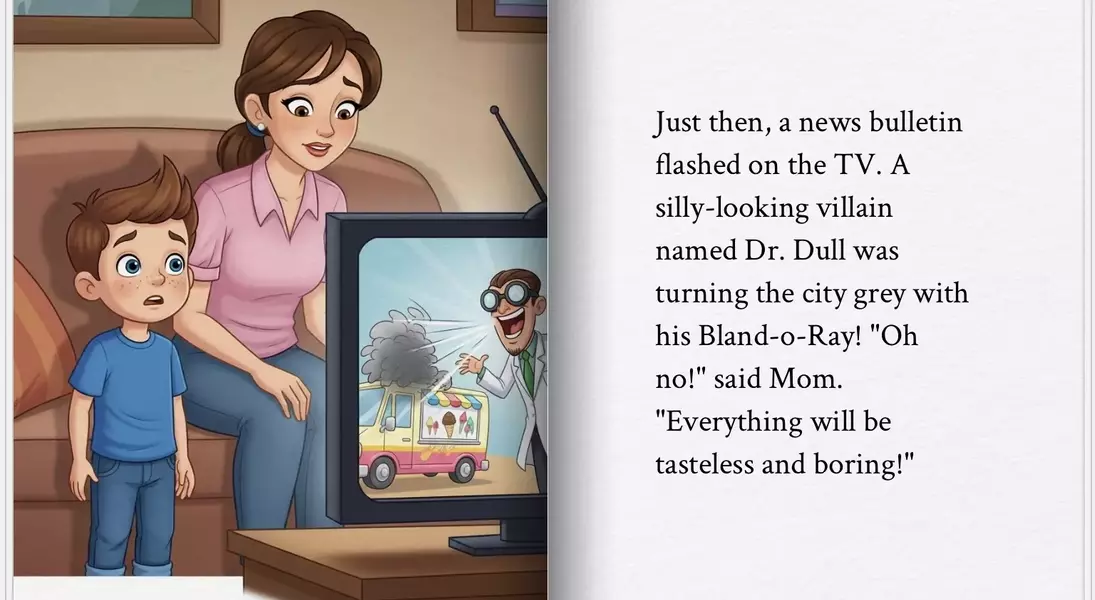
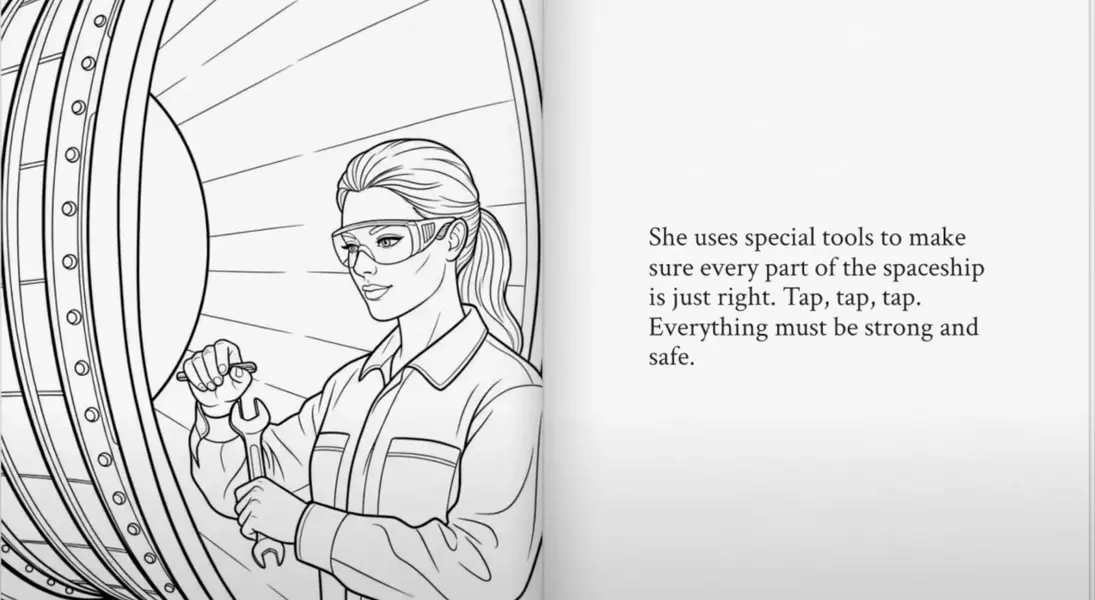
My experience with Storybook began with a prompt for a narrative about a catfish navigating friendships in a new aquatic environment. While the plot concerning the aquarium's inhabitants attempting to maneuver a marble felt rather uninspired, the overall output aligned with typical AI-generated children's stories, save for one peculiar illustration. This particular image depicted a fish with a human arm, an amusing and unexpected deviation from the norm. Other trials revealed similar oddities: a story featuring what appeared to be a cartoon crime scene composed of spaghetti sauce, and an image of a family watching TV where the screen was positioned incorrectly. Even in Google's promotional video for the feature, an AI-generated scene showed a woman fabricating a spaceship while making 'tap, tap, tap' sounds with a wrench and another unidentified tool. Although some stories were free of these blatant AI quirks, the chatbot struggled to capture my artistic intent when I provided a cartoon cat drawing as a reference. This novel Gemini Storybook functionality is now available globally across desktop and mobile platforms, supporting all languages currently offered by Gemini.
The Humorous Side of AI: Unexpected Outcomes in Storytelling
While Google's Storybook tool holds immense promise for AI-driven creative endeavors, it occasionally yields comical and unanticipated results. These delightful imperfections, often manifesting as bizarre visual elements or slightly illogical narrative turns, highlight the current limitations and inherent complexities of artificial intelligence in generating perfectly coherent and contextually accurate content. Such instances, like a fish with a human arm or peculiar depictions of everyday objects, serve as a reminder that AI, while advanced, is still learning the nuances of human creativity and common sense. These 'hiccups' offer a unique, often amusing, perspective on the AI's interpretive process and its journey toward more sophisticated and error-free output.
The anecdotal evidence from experimenting with Gemini's Storybook feature consistently pointed towards these quirky, sometimes humorous, imperfections. The illustration of a catfish suddenly sprouting a human arm, or a deer with peculiar "spaghetti sauce" that defies logic, showcased the AI's tendency to misinterpret or over-extrapolate prompts in unexpected ways. These aren't isolated incidents; the example of a television screen placed on the wrong side of a living room or a spacecraft builder wielding tools in an illogical manner further illustrates this phenomenon. It appears that while Gemini excels at understanding and responding to high-level narrative requests, the finer details and contextual subtleties of image generation can still be a challenge. Even when provided with a direct visual reference, such as a cartoon cat drawing, the AI's interpretation might diverge significantly from the user's artistic vision. Despite these minor oddities, which are more amusing than problematic, the global accessibility of Gemini Storybook across various devices and languages signifies a significant leap in making AI-powered creative tools widely available. These instances, far from being failures, offer valuable insights into the ongoing refinement process of artificial intelligence, reminding us of the intricate balance between algorithmic precision and the unpredictable nature of artistic expression.
