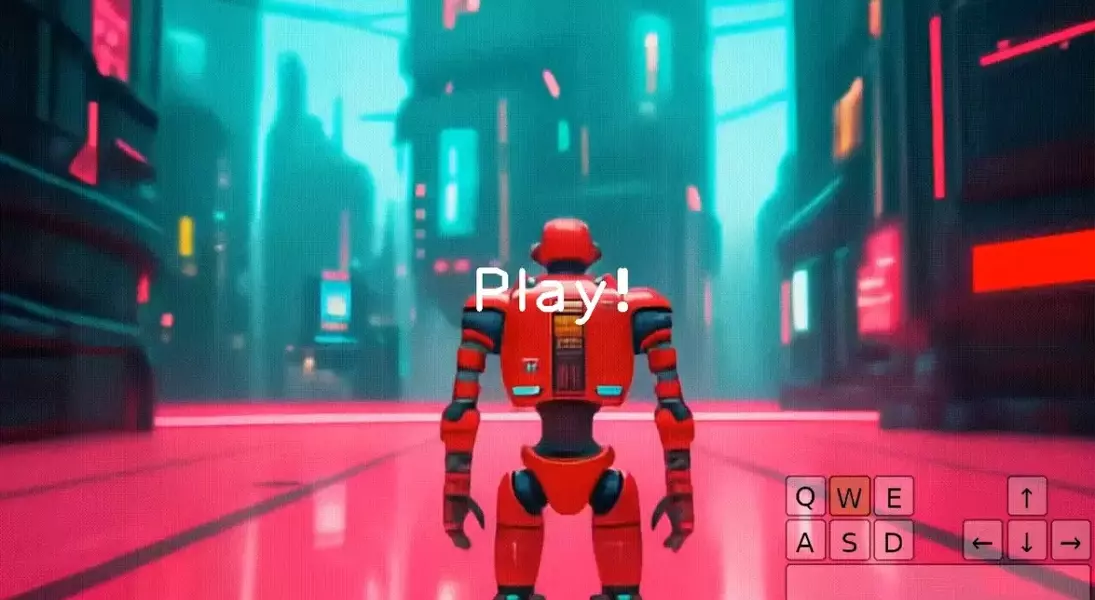
Last week, Google DeepMind made a significant announcement with the introduction of Genie 2. This innovative video model has the remarkable ability to generate highly plausible, consistent, and playable 3D environments directly from a prompt image. It holds a plethora of new and exciting emerging capabilities that enhance the lighting and reflections within these generated worlds. Moreover, it can even generate videos using real-world images, opening up a whole new realm of possibilities.
Unlock the Potential of AI-Generated Video Games
Enhanced Lighting and Reflections
DeepMind's Genie 2 takes lighting and reflections to a whole new level. The model meticulously crafts these elements within the generated 3D environments, creating a more immersive and realistic visual experience. For example, in one of the test environments, the subtle play of light on various surfaces makes the objects seem to come alive. The attention to detail in the reflections adds an extra layer of authenticity, as if the viewer is standing right there in the virtual world. This enhanced visual aspect not only makes the generated environments more captivating but also provides a more accurate platform for training agents.Generating Videos from Real-World Images
One of the most astonishing features of Genie 2 is its ability to generate videos from real-world images. This opens up a world of opportunities for various applications. Imagine being able to take a simple photo and transform it into a dynamic video sequence. It allows researchers to explore and analyze real-world scenarios in a virtual setting, facilitating a deeper understanding of different situations. For instance, in the field of architecture, architects can use this technology to visualize how a building will look in different lighting conditions or how it will interact with its surroundings. This not only saves time and resources but also provides a more intuitive way of designing and planning.Animated Characters for Training Purposes
Within the generated worlds of Genie 2, animated characters come to life. These characters act as embodied agents, capable of interacting with the environment in various ways. They can pop balloons, open doors, and even engage with non-playable characters, adding a dynamic element to the training process. For example, in a simulated shopping mall environment, the animated characters can navigate through the aisles, interact with storefronts, and have conversations with other characters. This provides a realistic training ground for agents, helping them learn how to interact with the world and make decisions in different situations. The ability to create such lifelike characters enhances the effectiveness of training and paves the way for more advanced agent research.You May Like