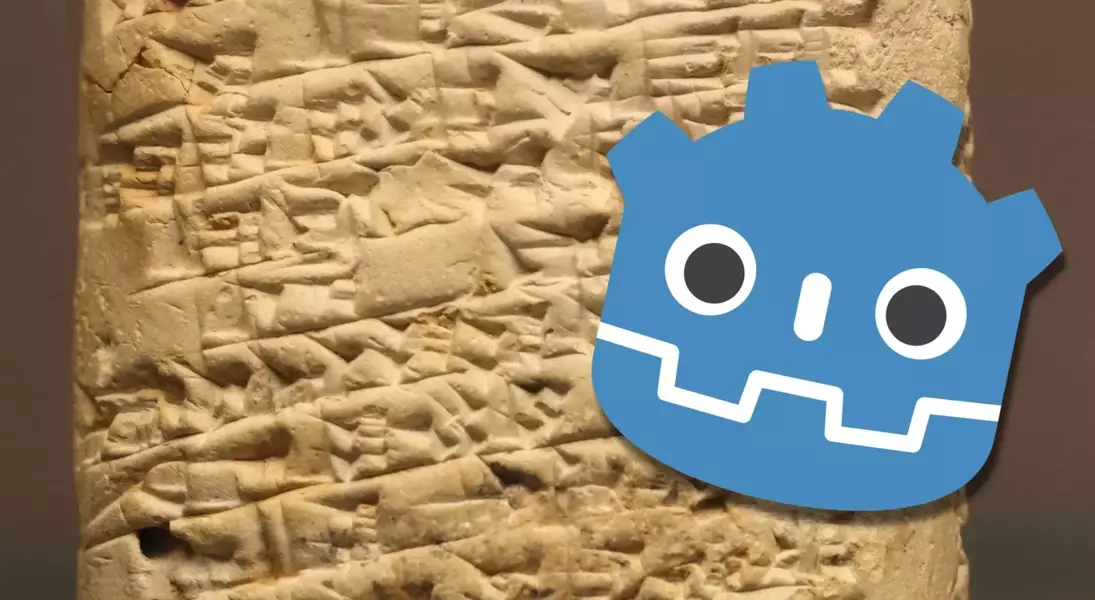
In an age where mainstream game engines are increasingly integrating AI tools and reconsidering controversial technologies like NFTs, game creators seeking fresh avenues might ponder a crucial, often overlooked question: Does a particular engine's native scripting language facilitate coding using the sophisticated and adaptable logographic-syllabic writing system developed in ancient Mesopotamia?
Godot Engine Integrates Ancient Script for Modern Development
For those considering Godot for their upcoming endeavors, the answer is a resounding 'yes,' or rather, 𒉂. As highlighted recently on Bluesky by indie game developer SteinMakesGames, GDscript, Godot's Python-inspired scripting language, now accommodates Sumero-Akkadian Cuneiform. This capability stands in stark contrast to many standard software development languages that lack such historical linguistic depth.
SteinMakesGames enthusiastically showcased a snippet of what they called "perfectly valid" cuneiform code, which, to the uninitiated, might appear enigmatic but nonetheless represents a functioning part of the scripting language. This groundbreaking support for the world's earliest known writing system makes GDscript an ideal choice for developers who wish to imbue their code comments with reverence for deities like Enlil, the source of earthly rulers' authority, or perhaps to vent frustrations about receiving substandard goods, mirroring an infamous ancient complaint about copper ingots.
SteinMakesGames, known for the upcoming strategic mining roguelike 'Dig Dig Boom' set to launch next year, has been a vocal advocate for this unique feature. They have previously engaged with the Godot community on platforms like Reddit, urging fellow developers to explore the possibilities of coding in Akkadian. The very thought of developers being unaware of this rich linguistic option underscores its novelty and potential.
The technical underpinning for GDscript's cuneiform compatibility lies in its parser's acceptance of most Unicode Standard Annex #31 characters within identifiers. Unlike some languages, such as C#, which impose stricter character limitations, GDscript's flexibility extends beyond Cuneiform to include Futhark runes, Egyptian hieroglyphs, and Mycenaean Linear B. It's also worth noting that other contemporary languages like Python, JavaScript ES6+, and Rust offer similar expansive Unicode support, allowing for a broader spectrum of character use in coding.
Ultimately, this feature reminds us that diversity in expression, whether in ancient writing systems or modern programming paradigms, offers invaluable choices, much like discerning selections in historical trade goods.
This innovative integration of ancient cuneiform into the Godot game engine's GDscript offers a fascinating intersection of history and technology. It challenges the conventional boundaries of programming languages, demonstrating that even the most ancient forms of communication can find a place in modern development. For developers, this isn't just a quirky feature; it's an opportunity to explore new dimensions of creativity and expression, to infuse their projects with a unique cultural or historical flavor, and perhaps, to inspire a deeper appreciation for linguistic heritage within the tech community. It highlights the importance of open-source and flexible platforms that encourage such experimental and imaginative approaches to software creation.
