
The landscape of virtual football is experiencing a seismic shift with the arrival of a new challenger, "Goals," a game poised to disrupt the long-held supremacy of EA Sports FC, previously known as FIFA. This in-depth analysis delves into the innovative mechanics and philosophical underpinnings of "Goals," examining how it aims to "rebuild football gaming from scratch." We will explore its strategic free-to-play model, its distinctive approach to player acquisition and progression with fictional characters, and its on-field dynamics that seek to offer a more engaging and less frustrating experience than its established counterpart.
Unleashing a Fresh Era in Digital Football: Goals Sets the Stage for Innovation
The Reign of the Football Titan and the Dawn of a New Era
For decades, the digital football landscape has been overwhelmingly dominated by one major franchise, known historically as FIFA and now rebranded as EA Sports FC. Despite various attempts by other developers, no rival has managed to truly challenge its market stronghold since the decline of the Pro Evolution Soccer series. However, a new contender named "Goals" is now emerging, hinting at a potential shift in this long-standing hierarchy. Although the developer hasn't explicitly declared its intention to overthrow the established giant, its bold tagline, "football gaming, rebuilt from scratch," suggests a deep-seated ambition to redefine the genre, implying that the current state of football gaming might be in need of a fundamental overhaul.
Breaking Down Barriers: The Free-to-Play Advantage and Player Progression
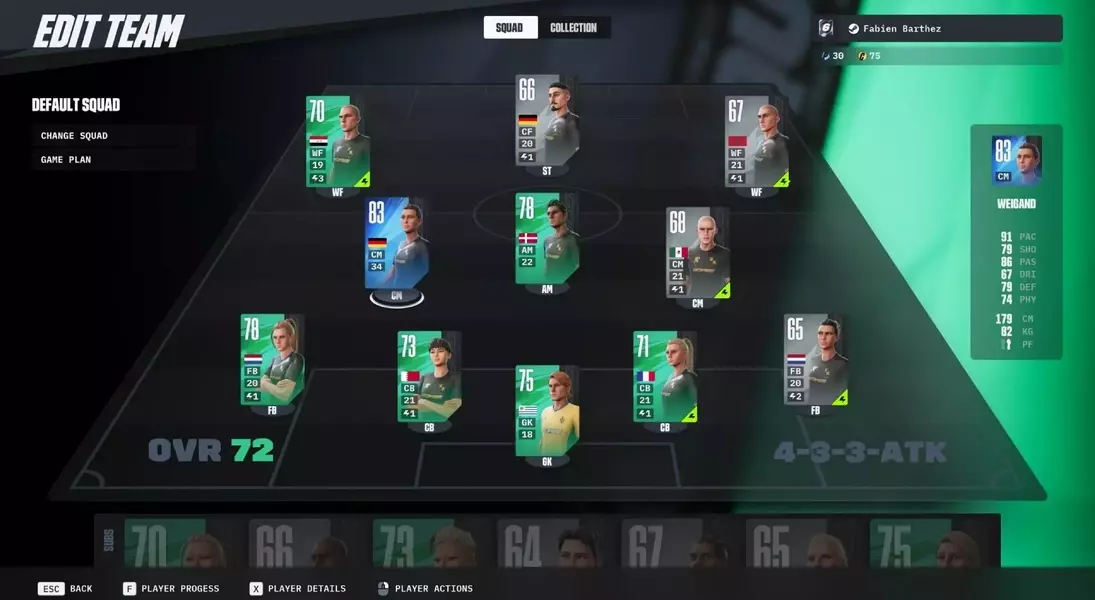
One of "Goals's" most compelling features is its free-to-play model, a stark contrast to the premium price tag of its main competitor. This accessibility is crucial for attracting a broad audience and giving the game a fighting chance against a franchise with immense brand recognition. While "Goals" shares superficial similarities with the card-based Ultimate Team mode found in EA Sports FC, particularly in its reliance on opening packs to build a squad for ranked and knockout matches, it diverges significantly in core aspects. Notably, "Goals" features entirely fictional players, eliminating the chase for real-world superstars like Messi or Ronaldo. Furthermore, the absence of a transfer market means there's no player economy to manage, shifting the focus from speculative trading to the actual football gameplay. Progression in "Goals" is also designed to be a slower burn, with a deliberate limitation on acquiring high-rarity cards. While premium currency exists for purchasing more packs, the odds of securing top-tier players are exceedingly low, promoting a more balanced playing field and reducing the frustration often associated with pay-to-win dynamics. Alternatively, players can be upgraded through experience gained from matches, with each player possessing a unique potential and a finite number of upgrade opportunities, akin to career mode systems in other football simulations.
Crafting Unique Narratives: Fictional Heroes and Dynamic Gameplay
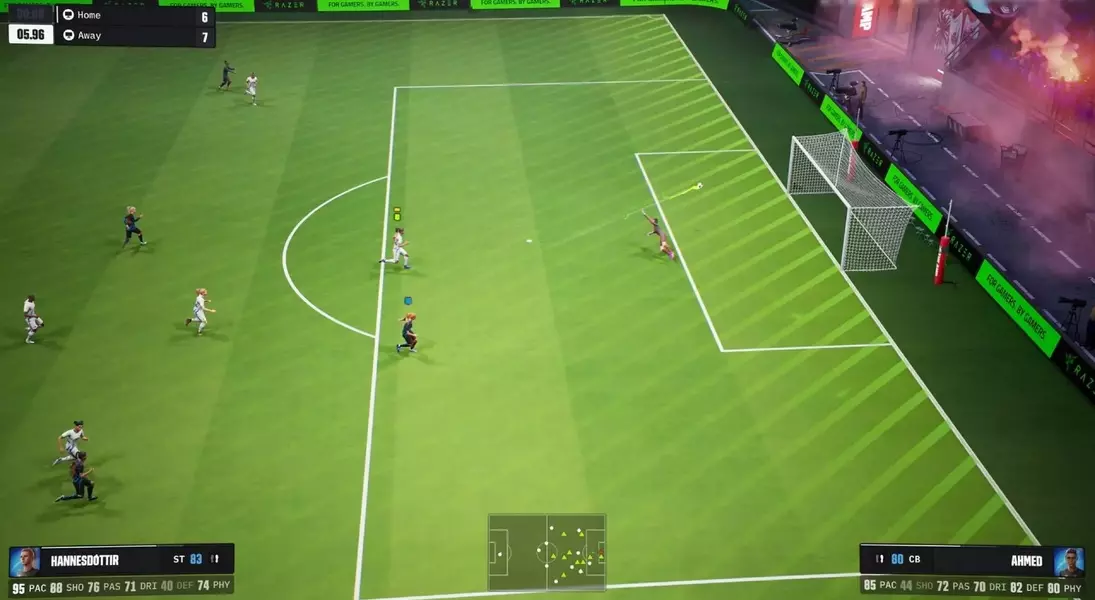
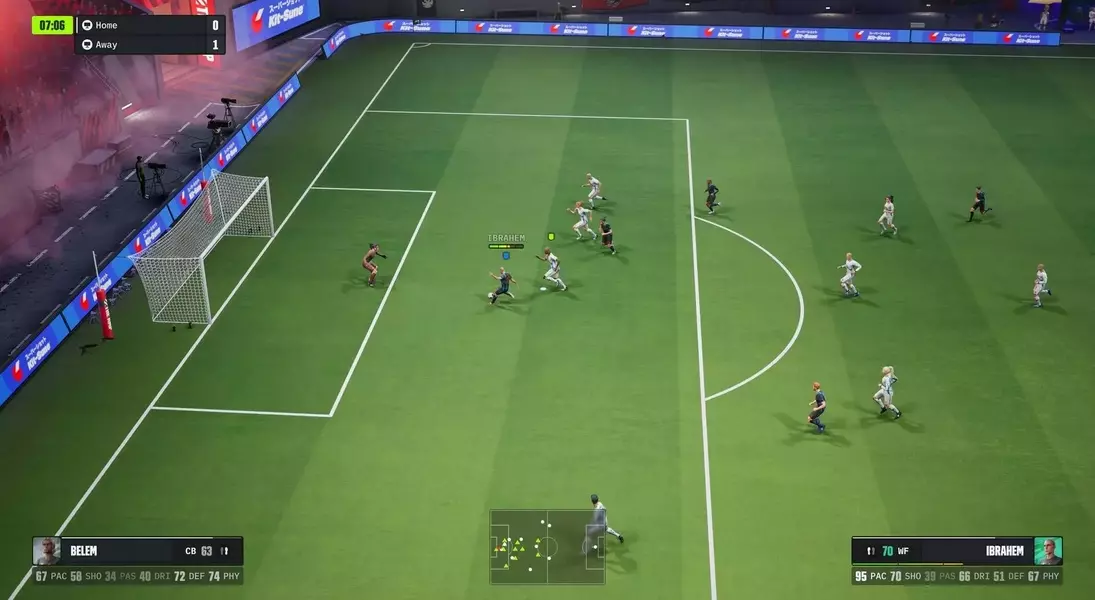
The reliance on fictional players in "Goals" fosters a unique sense of attachment, as each player becomes a personal project for the user. For instance, a veteran German midfielder named Ola Weigand, with impressive statistics and leadership qualities, could become a legendary figure within a player's squad. The game even allows players to convert beloved fictional athletes into "legends" to extend their careers indefinitely, reinforcing the personal connection. On the pitch, "Goals" offers a familiar control scheme that will immediately resonate with veterans of EA Sports FC, yet it introduces subtle but significant mechanical differences. Unlike the often hands-off defensive strategies favored in its rival, "Goals" demands proactive and well-timed tackles. Furthermore, the game introduces dynamic zones that penalize excessive ball retention in one's own half, leading to free kicks, and a unique end-of-half and end-of-game mechanic where a zone progressively shrinks the playable area, ensuring a decisive conclusion rather than relying on arbitrary injury time. These innovations aim to make the on-field experience more engaging and less exploitable.
Navigating the Pitch: Challenges, Frustrations, and the Future Vision
Despite its innovative approach, "Goals" is not without its imperfections. Similar to past iterations of FIFA where pace was notoriously overpowered, fast players can be disproportionately effective in "Goals," although the absence of a transfer market makes acquiring such players a matter of luck. Certain skill moves, like ball rolls and pullbacks, also present an imbalance, favoring close-control play over through balls and attacking runs. While these aspects can lead to moments of frustration, the overall experience in "Goals" is often perceived as less rage-inducing than its more established counterpart. While EA Sports' long-running series might offer a more polished and authentic experience with licensed teams and real players, "Goals" carved a niche by focusing on gameplay depth and player-centric progression. It is still in its nascent stages, but for those seeking a fresh and engaging football simulation that prioritizes core mechanics and offers a level playing field, "Goals" presents a promising opportunity to be part of the next big evolution in sports gaming.
Embracing Innovation and Community in the Evolving World of Football Gaming
In conclusion, "Goals" stands as a bold new entry in the football gaming genre, challenging the conventions established by its long-standing predecessor. By offering a free-to-play model, a unique fictional player roster, and a redesigned progression system, it aims to create a more accessible, engaging, and less frustrating experience for players. While it still faces challenges in balancing certain gameplay mechanics, its commitment to rebuilding the genre from scratch presents a compelling alternative for those seeking a fresh take on virtual football. The game encourages players to form strong bonds with their custom-built teams and offers a dynamic on-field experience that rewards proactive play. As "Goals" continues to evolve, it has the potential to carve out a significant space in the competitive world of sports simulations, inviting players to be part of its journey in shaping the future of digital football.
