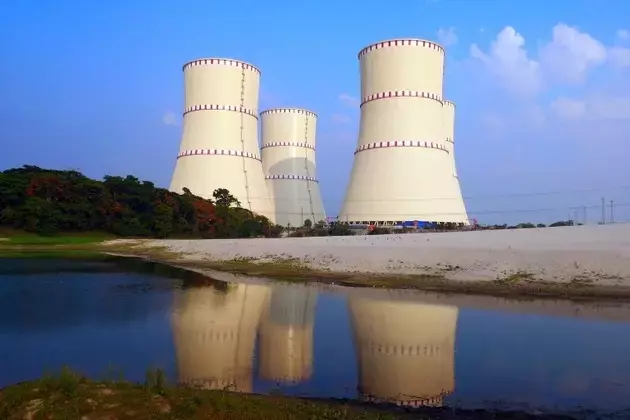
The Global X Uranium ETF (URA) emerges as a notable investment opportunity, primarily driven by a significant shortfall in uranium supply, the acceleration of nuclear reactor projects worldwide, and inherent vulnerabilities in the nuclear fuel supply chain. This ETF provides a broad spectrum of exposure to the nuclear energy industry, integrating various entities from established producers and innovative developers to small modular reactor (SMR) technologies and key industrial suppliers, thereby transcending mere direct correlation with uranium prices. The investment thesis for URA is further bolstered by recent policy advancements, the announcement of numerous global nuclear projects, and persistent bottlenecks in the supply chain, all pointing towards a sustained increase in demand through 2040.
URA is uniquely structured to offer investors a comprehensive gateway into the nuclear energy sector, differentiating itself from investments solely focused on uranium commodity prices. Instead, it strategically allocates capital across the entire nuclear value chain, capturing growth from various angles. This diversified approach mitigates risks associated with single-point failures in the industry and allows for participation in different segments, each driven by its own set of catalysts. For instance, investments in SMRs represent a forward-looking bet on next-generation nuclear technology, promising modularity and scalability that could revolutionize energy production. Simultaneously, exposure to established producers ensures a stake in the current operational backbone of the nuclear industry, while developers offer potential for future expansion and innovation.
The current global energy landscape is undergoing a profound transformation, with nuclear power increasingly recognized as a crucial component of a low-carbon future. A confluence of factors, including the urgent need for decarbonization, energy security concerns, and advancements in nuclear technology, has led to a resurgence of interest in nuclear energy. Governments and utilities worldwide are re-evaluating their energy portfolios, with many committing to extending the lifespan of existing reactors and investing in new construction. This renewed focus is creating a robust demand environment for uranium, the primary fuel source for nuclear reactors. The structural deficit in uranium supply, characterized by declining production from existing mines and a lag in developing new ones, means that demand is consistently outstripping supply. This imbalance is a powerful driver for the long-term appreciation of uranium prices and, consequently, for the value of assets held within URA.
Furthermore, the fragility of the nuclear fuel chain, exacerbated by geopolitical tensions and logistics challenges, underscores the importance of a diversified investment strategy. Events such as the disruption of supply routes or unexpected maintenance at enrichment facilities can have ripple effects across the industry. URA's broad exposure helps to buffer against such volatilities by distributing risk across multiple stages of the fuel cycle and different geographical locations. The ETF's focus on companies involved in various aspects of the nuclear ecosystem, from mining to waste management, means that it can capture value from improvements and efficiencies across the entire chain, not just from the raw material itself.
The strategic importance of nuclear energy is also reflected in the recent wave of policy support and regulatory shifts in major economies. Countries are implementing incentives and regulatory frameworks designed to facilitate the expansion of nuclear power, including financial support for new projects, streamlined licensing processes, and research and development funding for advanced reactor designs. These policy tailwinds provide a stable and predictable environment for growth, making investments in the sector more attractive. The multi-year investment horizon for URA, extending to 2040 and beyond, is predicated on the sustained commitment to nuclear power as a cornerstone of future energy mixes. This long-term outlook is supported by projections of rising global electricity demand and the imperative to meet ambitious climate targets, both of which will necessitate a significant expansion of nuclear generation capacity.
In conclusion, the Global X Uranium ETF presents a compelling case for investors seeking exposure to the burgeoning nuclear energy sector. Its diversified portfolio strategy, coupled with a backdrop of structural uranium deficits, accelerating global reactor buildouts, and policy support, positions it favorably for long-term growth. The ETF's ability to offer comprehensive coverage of the nuclear energy ecosystem, from raw materials to advanced reactor technologies, makes it an attractive vehicle for capitalizing on the industry's sustained expansion. As the world transitions towards a more sustainable and secure energy future, URA stands out as a strategic investment choic
