The global textile recycling sector is at a pivotal juncture, with companies grappling with complex decisions regarding the strategic placement of their operational facilities. This comprehensive analysis delves into the intricate factors influencing these choices, from the revival of Circulose's plant in Sweden to the expansive efforts of industry leaders like Circ, Reju, and Syre across continents. A central theme is the navigation of waste shipment regulations, the availability of raw materials, and the profound impact of location on the scalability of textile-to-textile recycling initiatives. Ultimately, these strategic site selections are crucial for driving the advancement of circular fashion and establishing a more sustainable future for the industry.
Two years following its bankruptcy, the Swedish recycling firm Renewcell has re-emerged as Circulose, marking a significant milestone with the planned reopening of its chemical textile recycling plant in Sundsvall. This revival, expected to yield new pulp by late 2026, underscores the persistent challenges and evolving strategies within the textile recycling landscape. Initially, questions arose about the prudence of Sweden as a base for such extensive recycling operations, especially given Europe's nascent infrastructure for collecting post-consumer textile waste and the perceived advantages of Asian locations with abundant post-industrial waste and lower labor costs. However, Circulose's CEO, Jonatan Janmark, maintains that the decision to repurpose existing infrastructure in Sundsvall is economically sound, leveraging a facility originally designed as a paper pulp mill. This approach minimizes capital expenditure and provides access to experienced personnel, crucial port and rail logistics, and affordable green electricity, despite acknowledging the potential for faster cost reductions in Asia.
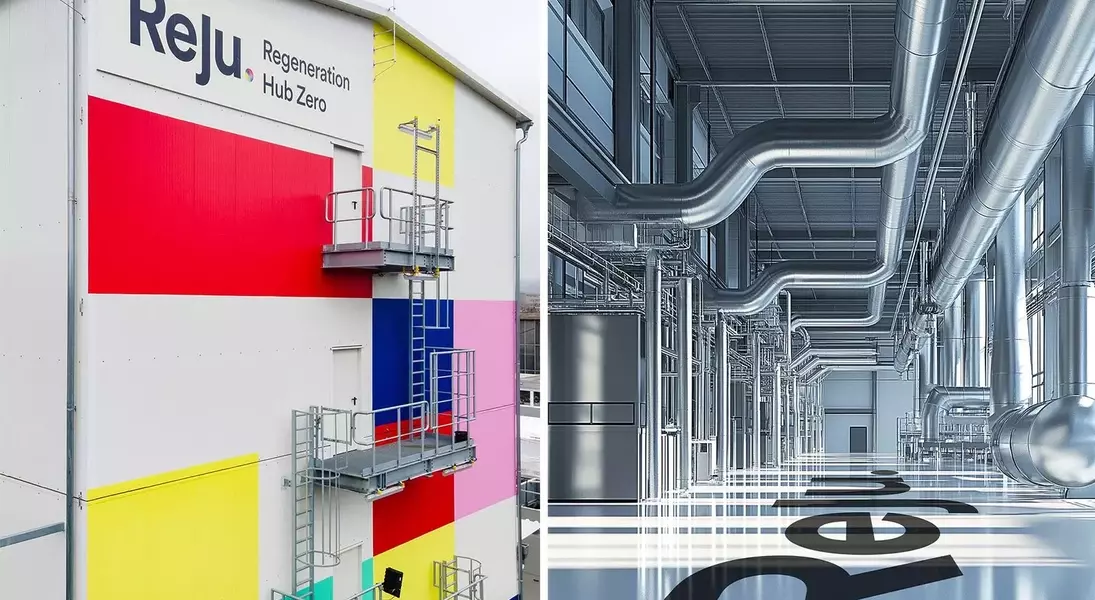
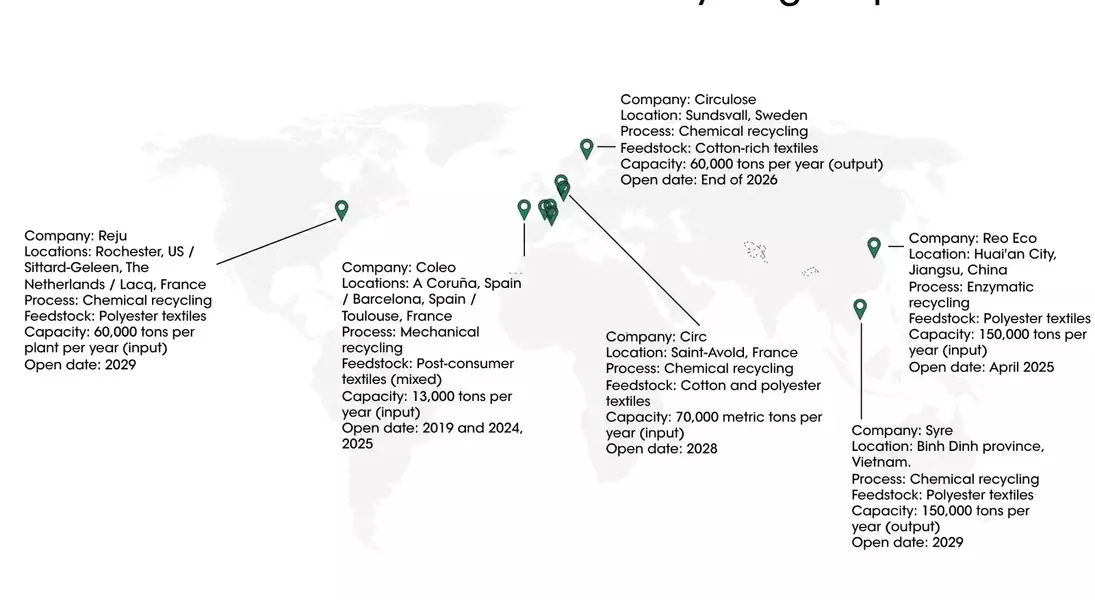
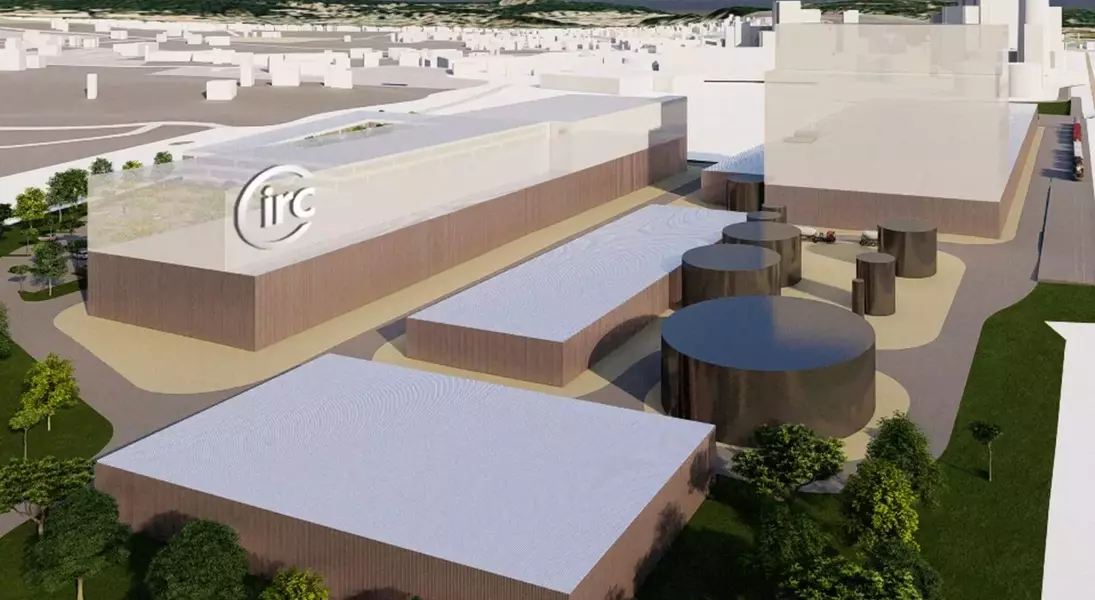
The dilemma of facility location extends beyond Circulose, with other major players actively shaping the global recycling map. In May 2025, the US-based textile recycling company Circ announced plans for a substantial $500 million plant in Saint-Avold, France, aiming to process 70,000 metric tons of recycled polycotton annually by 2028. Concurrently, French firm Reju is establishing a Regeneration Hub in Lacq, France, complementing its existing site in Frankfurt and future expansions in the Netherlands and New York. These developments are mirrored by initiatives in China (Reo Eco), Türkiye (Re&Up), Spain (Coleo), and Vietnam (Syre), each navigating distinct geographical and regulatory challenges. These strategic decisions are not merely logistical; they are instrumental in determining a company's pathway to commercial success and fostering an environment conducive to broader industry growth.
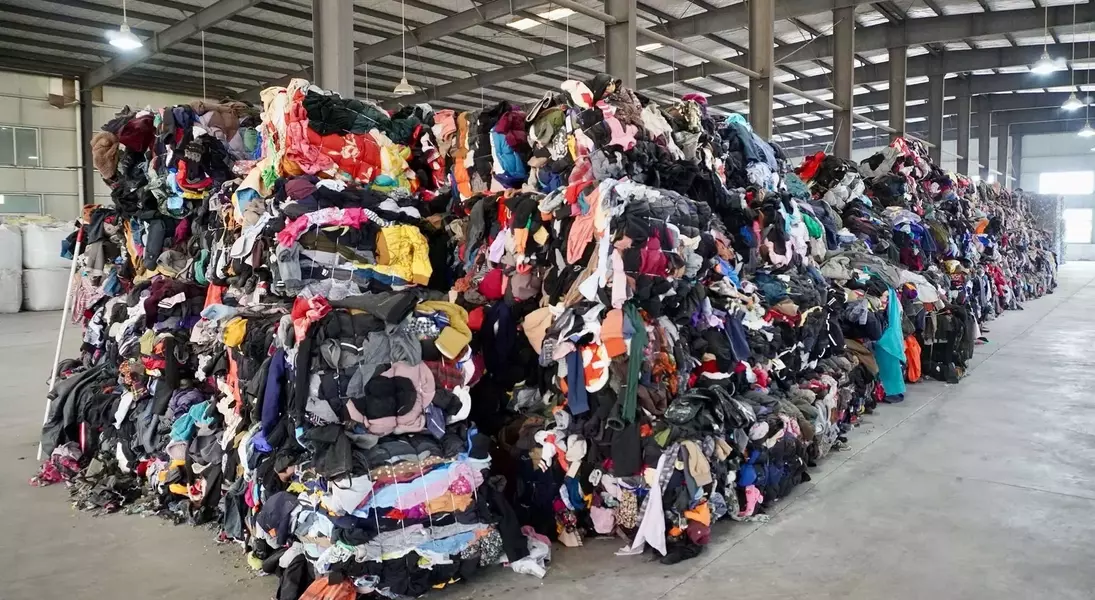
The fashion industry's global supply chains introduce considerable complexity to textile-to-textile recycling. Companies often supplement limited post-consumer textile waste with post-industrial waste, a practice that heavily influences location scouting. Katrin Ley, managing director at Fashion for Good, emphasizes the importance of data from initiatives like "World of Waste," which maps global textile waste deposits. Preliminary data indicates significant waste generation in the US, India, Canada, and Germany, with China and Türkiye's contributions yet to be fully assessed. Ley highlights a critical "mismatch": while major waste deposits exist in consumer markets (primarily post-consumer waste) and manufacturing regions (primarily post-industrial waste), most recyclers initially rely on post-industrial waste. This necessitates intricate international logistics, as evidenced by Circulose importing waste from diverse regions like Türkiye and Bangladesh, incurring considerable financial and environmental costs for transportation.
Navigating varying international waste shipment regulations presents another formidable hurdle for circular fashion. Many countries, including those within the EU, impose restrictions on textile waste exports, while others, such as China and Vietnam, prohibit imports. Syre, a polyester recycling startup backed by H&M, successfully campaigned for an exemption to Vietnam's import ban, receiving approval from the prime minister in January. This achievement, following a years-long effort, underscores the intricate political and regulatory landscapes that companies must traverse. Syre's CEO, Dennis Nobelius, noted that Vietnam met over 100 criteria for an ideal site, including existing value chains, access to green energy, and robust transportation networks. Circulose's Janmark advocates for reclassifying properly sorted waste as a raw material rather than waste to streamline international movement. Spanish recycler Coleo has adopted a unique strategy, leveraging France's Extended Producer Responsibility (EPR) scheme by establishing a sorting and pre-processing facility in Toulouse, thereby benefiting from financial incentives for processing post-consumer textile waste.
Beyond national policies, the selection of precise site locations is equally critical and complex. Nobelius of Syre highlights the advantages of industrial parks, which typically offer established infrastructure, simplified permit processes, and expertise in handling chemicals. Circ co-founder and CEO Peter Majeranowski employs a "frontend loading" system, meticulously evaluating factors such as energy and water requirements, logistical flows, proximity to customers, grid reliability, local governance, and permitting pathways. Majeranowski emphasizes the long-term nature of these investments, noting that facilities are designed to operate for decades. In France, Circ benefits from a unique consultative process involving local communities, activists, and government bodies, which helps in securing permits and fostering acceptance. Reo Eco, a Chinese enzymatic recycling startup, chose Huai’an City in Jiangsu province due to the local government's commitment to developing a "green city" with strong support for sustainable fashion businesses. This location offers convenient access to raw materials, efficient river transport, and encouragement for solar and wind power. Reju, on the other hand, prioritizes feedstock availability for its Regeneration Hubs, strategically locating in the Netherlands (for its large textile waste aggregators) and Rochester, New York (to serve the New England area). Despite the competitive landscape, these companies express a shared desire for a "cluster effect," believing that the presence of multiple recyclers fosters a more viable value chain and collectively addresses the immense volume of textile waste.
The path to a sustainable textile industry is paved with strategic choices, technological innovation, and collaborative efforts. The challenges of establishing viable recycling infrastructure are multifaceted, ranging from geographical considerations and logistical complexities to regulatory hurdles and the availability of feedstock. However, the determination of companies like Circulose, Circ, Reju, Syre, Reo Eco, and Coleo demonstrates a collective commitment to overcoming these obstacles. Their diverse approaches to site selection, whether leveraging existing infrastructure, seeking supportive regulatory environments, or building comprehensive regeneration hubs, highlight the dynamic nature of this evolving sector. Ultimately, the success of these endeavors will depend on continued innovation, cross-border cooperation, and a shared vision for a truly circular fashion economy, ensuring that textile waste is transformed into valuable resources rather than environmental burdens.
