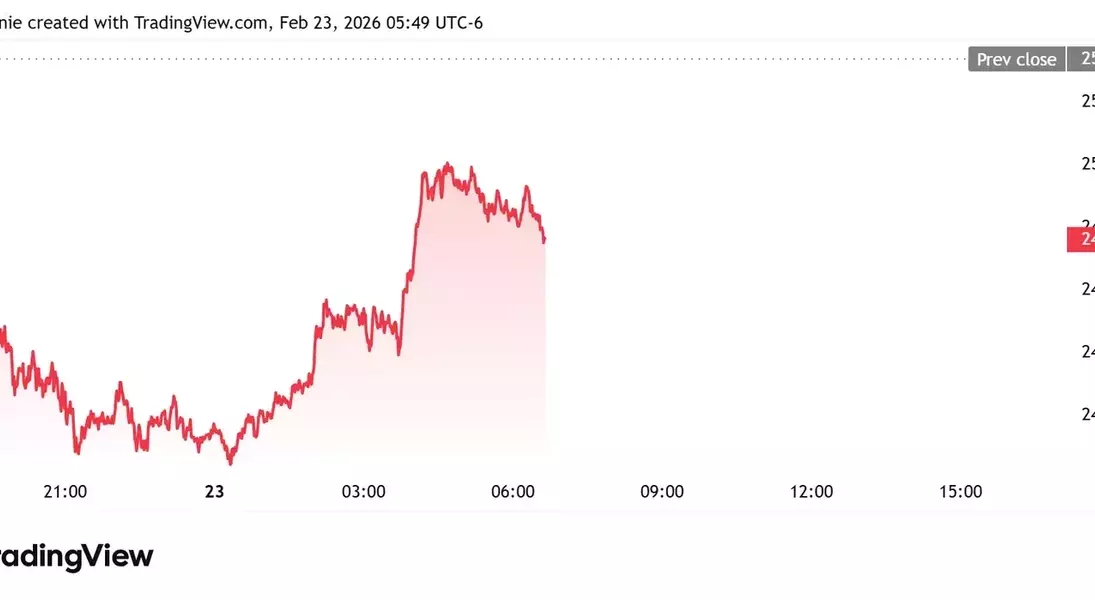
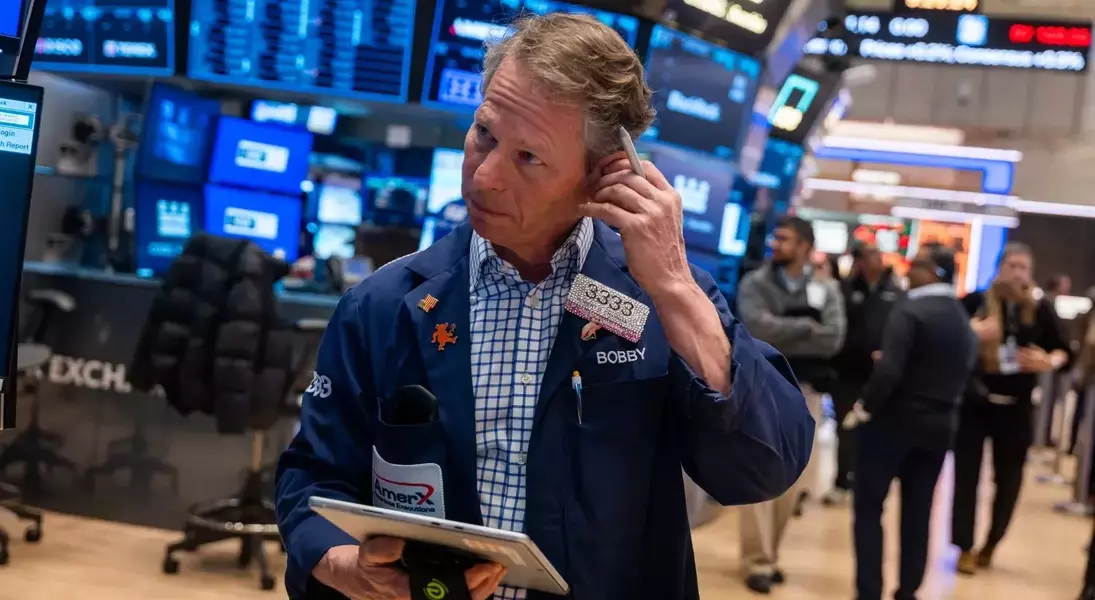


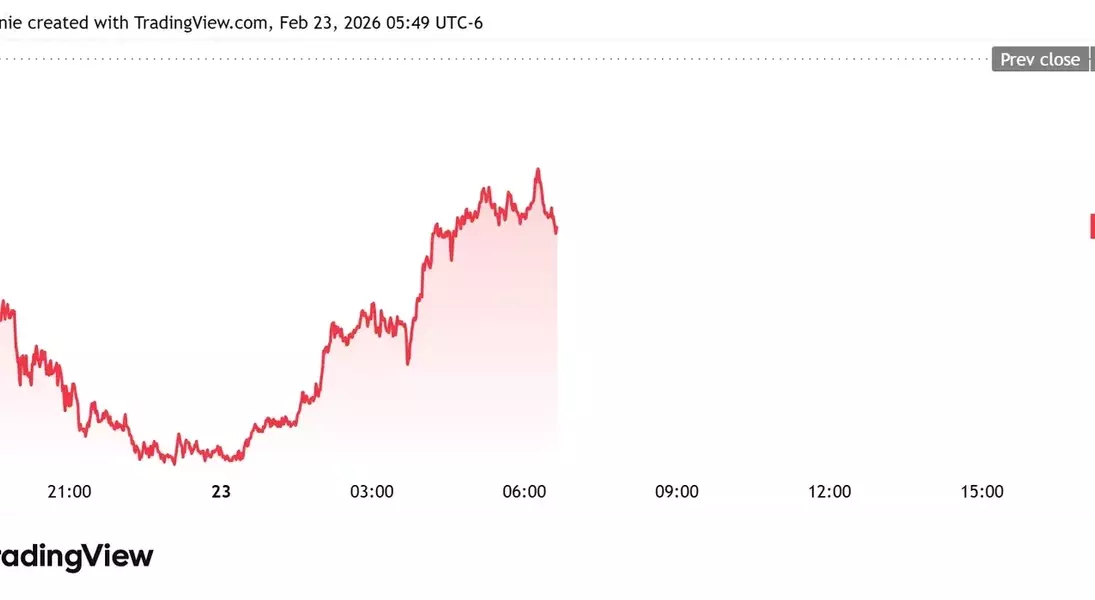
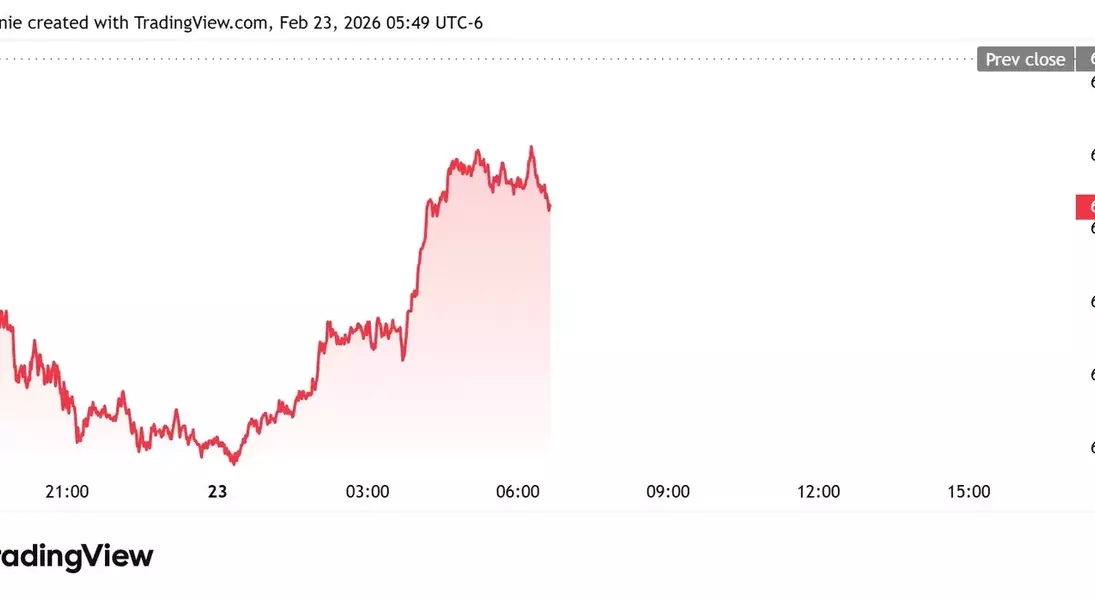
Global markets displayed volatility on Monday morning, influenced by former President Donald Trump's weekend announcement of increased global tariffs, which triggered widespread uncertainty. This policy shift led to a downturn in stock futures across major indices, including the Nasdaq 100, S&P 500, and Dow Jones Industrial Average. Simultaneously, Bitcoin experienced a temporary decline before recovering, while traditional safe-haven assets such as gold and silver saw their values rise. The European Union has expressed concern, indicating a potential halt in its trade deal ratification process with the U.S. Amidst this backdrop, corporate earnings reports provided mixed signals, with Domino's Pizza exceeding expectations and Novo Nordisk facing a setback due to trial results for its obesity treatment. The coming week also holds significant attention for Home Depot and Lowe's as their financial results are anticipated.
This period of market adjustment highlights a broader trend of diminishing policy predictability, which has led investors to favor more stable, short-term liquidity instruments and defensive assets. The market's future direction largely depends on clearer institutional communications regarding international trade policies. While the broader market grappled with these macroeconomic shifts, specific company performances presented notable movements. Domino's Pizza's robust financial results underscore the success of its strategic initiatives, rewarding shareholders with increased dividends. Conversely, Novo Nordisk's stock performance reflects the competitive and high-stakes nature of the pharmaceutical industry, where clinical trial outcomes can significantly impact market valuation. The anticipation surrounding upcoming earnings from major retailers like Home Depot and Lowe's further illustrates the market's focus on individual corporate health amidst fluctuating global economic conditions.
Tariff Tensions and Market Responses
Stock market futures experienced a decline on Monday, largely attributed to the renewed uncertainty introduced by former President Trump's weekend announcement of increased global tariffs. This declaration followed a Supreme Court ruling that limited the President's authority to impose tariffs under previous legislation, prompting Trump to adjust his approach and raise duties to 15%. This sudden shift in trade policy has unsettled investors, leading to a cautious market environment. The European Union has signaled its concern, reportedly considering freezing the ratification of its trade agreement with the U.S. and seeking further clarification on the new tariff program. This geopolitical tension directly impacts cross-border capital allocation, as investors grapple with reduced predictability in international trade relations. Consequently, there's a noticeable move towards assets perceived as more secure, such as gold and silver, which saw significant gains, while Bitcoin experienced a brief but sharp drop, underscoring its sensitivity to global economic anxieties.
The market's reaction to the tariff news reflects a broader sentiment of caution among investors. With declining policy predictability, the focus has shifted towards short-duration liquidity instruments and defensive assets. This strategy aims to mitigate risks associated with uncertain trade landscapes and potential economic disruptions. For instance, the 10-year Treasury yield, a key indicator for interest rates, dipped slightly, suggesting a flight to safety in government bonds. Meanwhile, gold futures advanced by nearly 2%, and silver futures jumped 5%, highlighting their role as traditional safe havens during periods of economic apprehension. The U.S. dollar index also saw a slight decrease. Analysts emphasize that a clearer institutional signal regarding future trade policies is crucial for restoring risk appetite in the market. This ongoing uncertainty underscores the intricate relationship between political developments and global financial market stability, with investors closely monitoring any new information that could provide direction.
Corporate Performance Amidst Economic Headwinds
Despite the broader market volatility, individual corporate performances showcased a mixed picture, with some companies reporting stronger-than-expected results while others faced setbacks. Domino's Pizza stood out, with its stock surging 6% in premarket trading after reporting fiscal 2025 fourth-quarter revenue of $1.54 billion, surpassing analyst estimates. The company also achieved a 3.7% growth in same-store sales, significantly exceeding expectations, which CEO Russell Weiner attributed to the success of their "Hungry for MORE" strategy. This strong financial performance led to the board approving a 15% increase in quarterly dividends, signaling confidence in future growth. In contrast, Novo Nordisk's U.S.-listed shares fell by 13% after its CagriSema obesity treatment demonstrated less efficacy than a competing product from Eli Lilly, whose stock subsequently gained 3%. This highlights the intense competition and significant impact of clinical trial results in the pharmaceutical sector.
The upcoming earnings reports for Home Depot and Lowe's are also drawing considerable market attention, with options pricing suggesting potential stock swings of up to 4% and 5%, respectively. Both home improvement retailers have experienced a strong start to the year, with Home Depot gaining approximately 11% and Lowe's up 16% for 2026. This performance is indicative of a broader market rotation away from technology stocks towards consumer-focused companies. Meanwhile, the technology sector's Magnificent Seven giants generally saw modest declines, with the notable exception of Alphabet, which edged slightly higher. Nvidia, a key player in tech, saw a slight dip ahead of its earnings report, further indicating investor caution. The declines in major U.S. airlines, such as Delta, United, and American Airlines, due to a severe blizzard impacting the Northeast, illustrate how even sector-specific events can influence stock performance. These varied corporate outcomes underscore the importance of company-specific fundamentals and external factors in shaping investment decisions within a dynamic economic landscape.
