This report offers a comprehensive overview of recent significant events in the global film festival landscape. The prestigious Pingyao International Film Festival in China has unveiled the schedule for its milestone tenth iteration, continuing its legacy of championing budding directorial talent. Meanwhile, India is set to host its inaugural People's International Film Festival, aimed at cultivating and showcasing regional cinematic artistry. Concurrently, Singapore is paying homage to the rich heritage of Taiwanese Hokkien cinema through a meticulously curated screening series. These diverse gatherings collectively highlight the dynamic and evolving nature of international film culture, fostering both fresh perspectives and the enduring preservation of cinematic history.
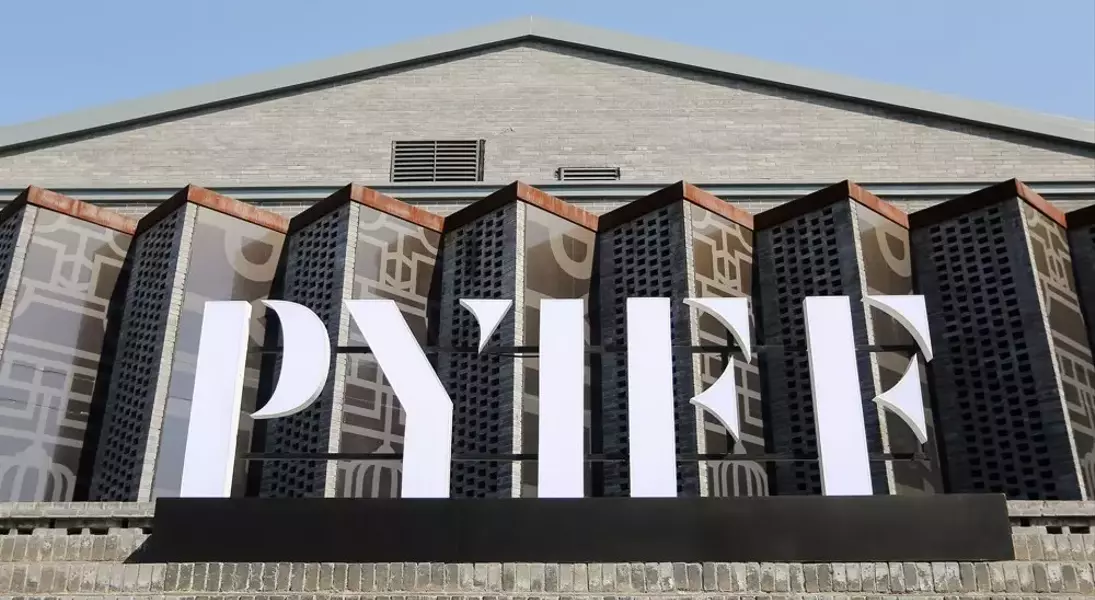
The Pingyao International Film Festival, founded in 2017 by acclaimed director Jia Zhangke, is preparing for its tenth annual celebration. Scheduled to take place from September 24 to 30 at the Pingyao Festival Palace in Shanxi Province, this event is a pivotal platform for cinematic expression. The festival is structured around four main pillars: Screening, Market, Cultivation, and Academics, each designed to nurture different facets of filmmaking. Its Screening section features distinct categories like “Crouching Tigers” and “Hidden Dragons,” specifically designed to spotlight the initial cinematic endeavors of emerging and Chinese-language directors, respectively. Additionally, the “Galas” category presents a selection of prominent films and award recipients. A highlight of the festival includes the competitive Roberto Rossellini Awards and the Fei Mu Awards, which offer substantial monetary prizes, including RMB1 million (approximately $140,000) for the Fei Mu Best Film and RMB200,000 ($28,000) for Best Director. Over the years, Pingyao has been instrumental in launching the careers of notable filmmakers such as Chloé Zhao, Wei Shujun, and Liu Jian.
Further enriching the global film circuit, India's Madhya Pradesh state is launching its own cinematic event, the People’s International Film Festival of India (PIFFI). This inaugural festival is slated to run from December 17 to 20 at Rabindra Bhawan in Bhopal. Organized by the People’s Art, Culture and Education Foundation, the four-day competitive event will showcase a wide array of films, encompassing features, short films, documentaries, and even AI-assisted productions. Beyond screenings, the festival will provide enriching masterclasses and insightful panel discussions, culminating in an awards gala. Anwar Jamal is at the helm as festival director, with critic Saibal Chatterjee curating the programming. Ruchi Vijayvargia leads the organizing committee, while an advisory board comprising renowned directors Adoor Gopalakrishnan and Sudhir Mishra, alongside former Film and Television Institute of India director Tripurari Sharan, lends invaluable expertise.
In Southeast Asia, a special collaboration between the Singapore Film Society, the Asian Film Archive, and the Taiwan Film and Audiovisual Institute is set to honor the legacy of Taiwanese Hokkien cinema. Titled “Treasured Legacy: Celebrating 70 Years of ‘Taiyupian’,” this program will be held from September 4 to 6 at the Oldham Theatre in Singapore. This initiative marks the first international stop for a global touring series, presenting five meticulously restored classic films originally spoken in Taiwanese Hokkien and the Amoy dialect. The selection includes the Southeast Asian premieres of “Zhang Di Seeks A-Zu,” “Good Neighbors,” “The Rice Dumpling Vendors,” and “Romance at Lungshan Temple,” complemented by the archive’s restoration of “Taming of the Princess.” A complimentary public discussion focusing on Amoy-dialect cinema will also be part of this significant cultural event.
The international film circuit is currently experiencing a dynamic period, marked by the continued growth of established events and the emergence of new platforms. The Pingyao International Film Festival reaffirms its status as a critical showcase for directorial innovation, while the debut of India's People’s International Film Festival signals a new chapter for regional cinematic exploration. Concurrently, Singapore's tribute to Taiwanese Hokkien cinema underscores the global effort to preserve and celebrate diverse film heritages. These events collectively contribute to a rich and varied tapestry of film culture, promoting artistic exchange and audience engagement across different continents.
