


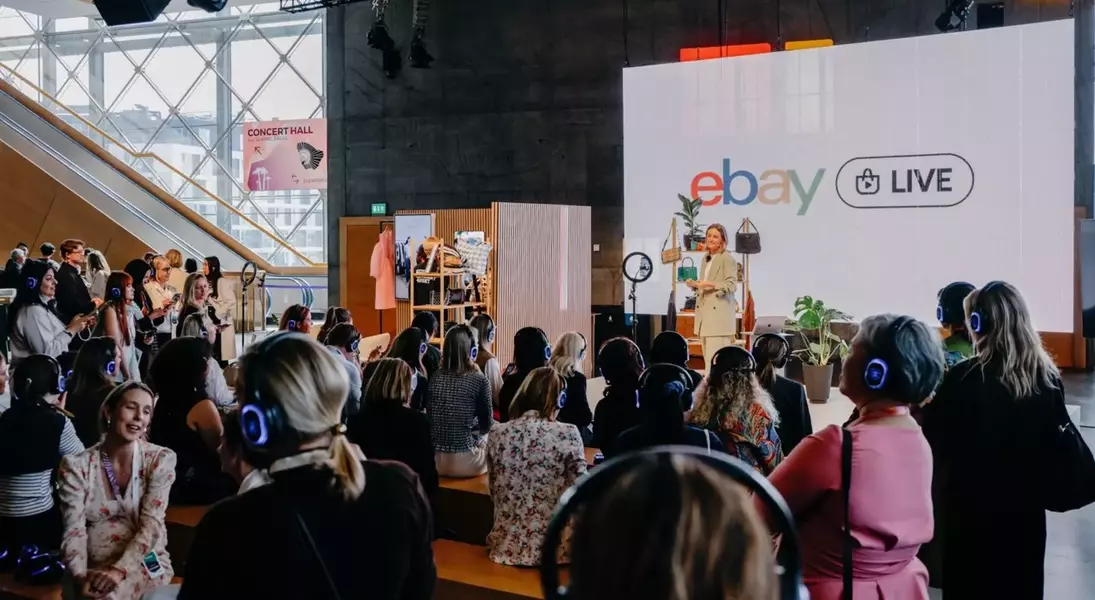
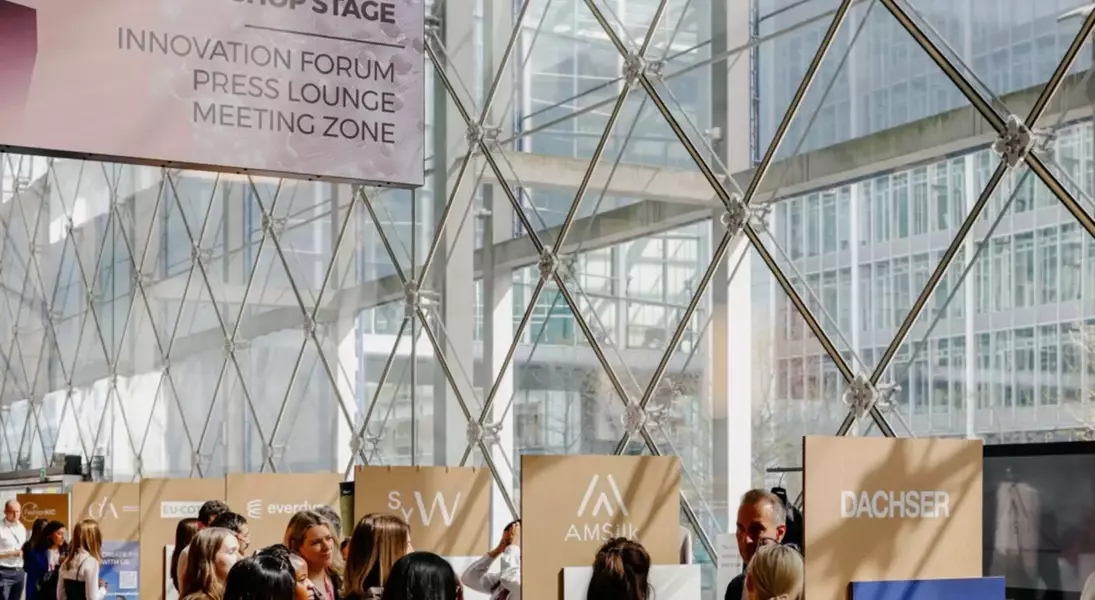
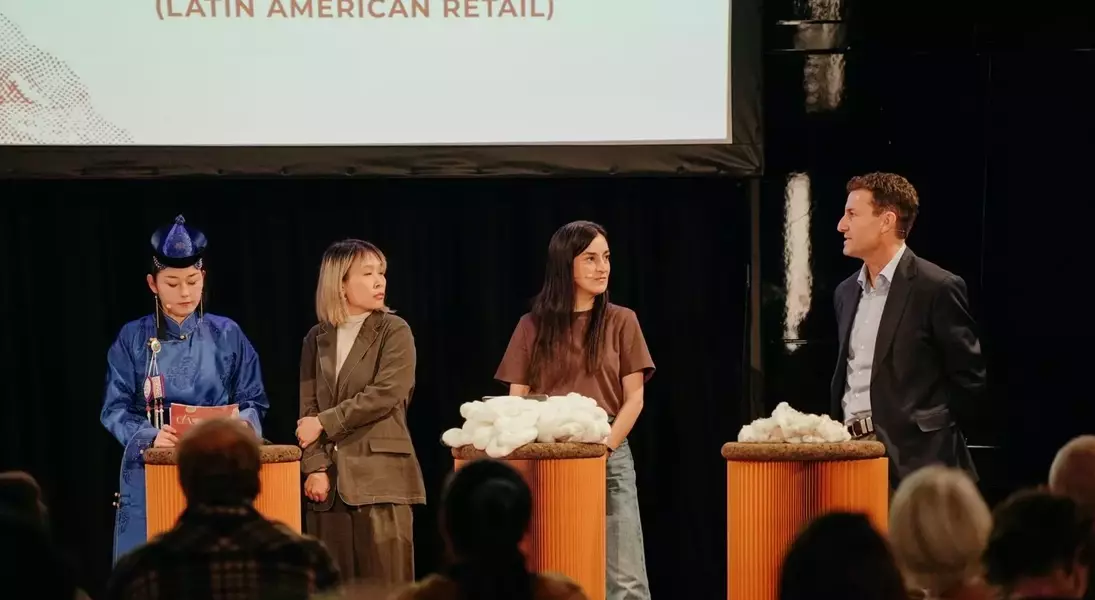
The recent Global Fashion Summit in Copenhagen underscored the pivotal moment for sustainability within the apparel sector. Organized by the Global Fashion Agenda (GFA), this annual gathering united key players across the supply chain, facilitating discussions on obstacles, opportunities, and strategic pathways for industry advancement. Although fewer participants attended this year, GFA CEO Federica Marchionni viewed this as a recalibration rather than a retreat from sustainable practices, emphasizing the depth of conversations and the formation of concrete collaborations.
A notable emphasis was placed on the transformative power of innovation, which was deemed essential for overhauling supply chains and achieving climate objectives. The summit highlighted the importance of collaborative ecosystems, where major corporations partner with startups, researchers, and technology firms to accelerate market viability and scale solutions. For instance, the Trailblazer Award recognized Synflux, a Japanese startup, for its AI-driven pattern-cutting algorithm that significantly reduces textile waste. However, some attendees expressed concerns about the lack of representation from those with practical experience in implementing innovative materials and systems, arguing that discussions sometimes became overly technical and overlooked crucial behavioral shifts needed for systemic change. Furthermore, a focus on emerging innovations sometimes overshadowed the need to support and expand existing, proven solutions.
As the fashion industry transitions into an implementation phase for sustainability, the summit's central theme of 'building resilient futures' reflected global geopolitical and economic challenges impacting supply chains. This theme encouraged a strategic approach, with GFA actively engaging chief financial officers to direct investments toward product integrity, circular infrastructure, and workforce development, recognizing their crucial role in fostering resilience. Despite the pressing global issues, overt political discussions were largely avoided, a deliberate choice by GFA to position sustainability as a universally accepted goal. This approach aimed to guide the industry through complexities without losing momentum, advocating for practical steps and adaptive strategies to navigate an ever-changing landscape.
The fashion industry faces a complex journey toward a sustainable future, marked by a shift from theoretical pledges to actionable implementation. Embracing innovation, fostering collaborative ecosystems, and building resilience across supply chains are crucial. By integrating diverse perspectives, supporting existing solutions, and focusing on the human dimension of change, the industry can collectively drive meaningful progress, ensuring a more ethical and environmentally conscious future for all stakeholders. The time for hesitation is over; decisive action and unwavering commitment are paramount.
