Global commodity markets are currently experiencing a period of significant flux, driven by a confluence of geopolitical events, supply-side constraints, and policy adjustments. From the fluctuating price of crude oil, influenced by high-level international discussions, to the climbing values of industrial metals like copper, buoyed by tight supply and robust demand, the landscape is complex and dynamic. Additionally, strategic trade decisions by major economies, such as India's revisions to import duties on precious metals and its ban on sugar exports, are reshaping market expectations and influencing global trade flows. These interwoven factors highlight a critical juncture for investors and analysts monitoring the pulse of international commerce and resource allocation.
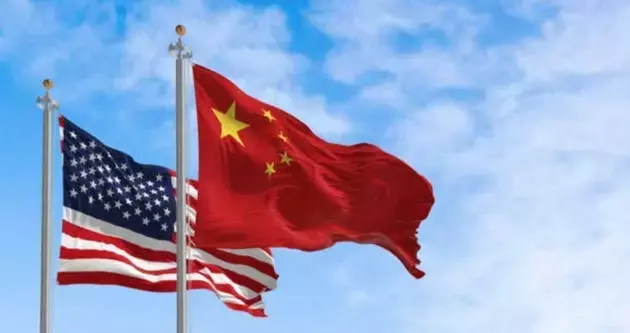
The oil market remains in a cautious holding pattern, keenly observing the outcomes of the impending summit between President Trump and President Xi. This high-stakes meeting is anticipated to provide clarity on several fronts, particularly concerning potential resolutions or escalations surrounding the ongoing Iran conflict. Any positive developments on this geopolitical issue could significantly alleviate market uncertainties, influencing oil supply and demand dynamics. The market's current 'wait-and-see' approach reflects the profound impact that these diplomatic talks could have on global energy stability and prices.
Meanwhile, the copper market has demonstrated remarkable resilience, extending its upward trajectory beyond $14,000 per ton. This surge positions the metal tantalizingly close to its historical peak of $14,527.50, established in late January. This robust performance is primarily attributed to a combination of factors including persistent supply-side risks, which have tightened the availability of the metal. Furthermore, strong demand from China, a key consumer, coupled with increased speculative buying, has provided additional momentum to prices, underscoring copper's pivotal role in industrial and technological sectors.
In the realm of precious metals, India, recognized as the world's second-largest consumer of gold, has enacted a substantial policy change. The nation has more than doubled its import tariffs on both gold and silver, signaling a potential shift in domestic demand patterns and international trade flows for these valuable commodities. Concurrently, the Indian government has imposed a ban on sugar exports, effective until the close of September. This measure is intended to safeguard adequate domestic supply, but it also carries significant implications for global sugar prices, likely pushing them higher due to reduced international availability.
The global commodity landscape is at a critical juncture, shaped by geopolitical dialogues, persistent supply challenges, and significant policy shifts. These developments collectively influence market stability, demand, and pricing across key sectors, reflecting a complex and interconnected international economy.
