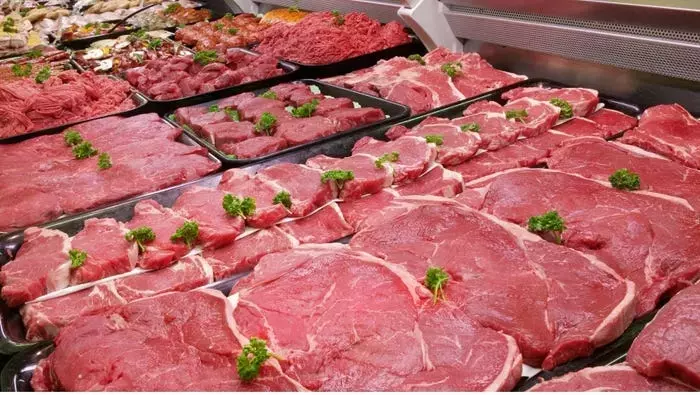
The landscape of the global beef market is currently undergoing a notable transformation, marked by a substantial escalation in imports to the United States. This surge is primarily fueled by robust consumer demand for beef products and a constrained domestic cattle supply, compelling the nation to seek foreign sources to meet its consumption needs. The recent imposition of a significant tariff on Brazilian beef, a major supplier, is anticipated to profoundly reshape these evolving trade patterns and create considerable economic reverberations for the involved countries.
Latest figures from the U.S. Department of Agriculture’s Economic Research Service reveal a dramatic uptick in beef imports, with a striking increase exceeding 60% in the month of May alone. This unprecedented rise has propelled the total U.S. beef import volume to a record-setting 5.38 billion pounds. While Brazil stands out as the foremost contributor to this import surge, other countries such as Australia, Paraguay, and Argentina have also significantly expanded their beef exports to the American market.
This heightened reliance on international suppliers stems from a tightening beef supply within the United States, attributed largely to a decelerated domestic slaughter rate. Consequently, producers are increasingly turning to imported lean trimmings, particularly from Brazil, to fulfill the demand for ground beef. Brazilian meat companies have capitalized on this opportunity, with the U.S. now ranking as their second-largest customer, trailing only China.
A critical turning point emerged earlier this month when President Donald Trump announced a 50% tariff on Brazilian beef, scheduled to take effect on August 1. This protective measure is already prompting Brazilian meat producers to reassess their export strategies, with some companies reportedly reducing purchases and halting shipments to the U.S. The Brazilian beef industry projects losses exceeding $1.3 billion in the latter half of 2025 due to this tariff, with potential cumulative losses soaring to $3 billion if the tariff remains in place through 2026.
The economic repercussions of this tariff extend beyond immediate financial losses for Brazil; they also raise important questions regarding the long-term sustainability of the U.S. beef supply. As domestic cattle supply is not expected to significantly increase until 2026, the absence of Brazilian imports could potentially create further challenges in meeting consumer demand. This situation underscores the delicate balance between trade policy, domestic agricultural capacity, and global market dynamics.
The unfolding scenario in the international beef trade, characterized by increased U.S. reliance on foreign meat and the subsequent imposition of protective tariffs, illustrates the intricate interplay of supply, demand, and geopolitical factors in shaping agricultural commerce. This development carries substantial implications for both exporting and importing nations, necessitating a careful consideration of its ripple effects on global food supply chains and market stability.
