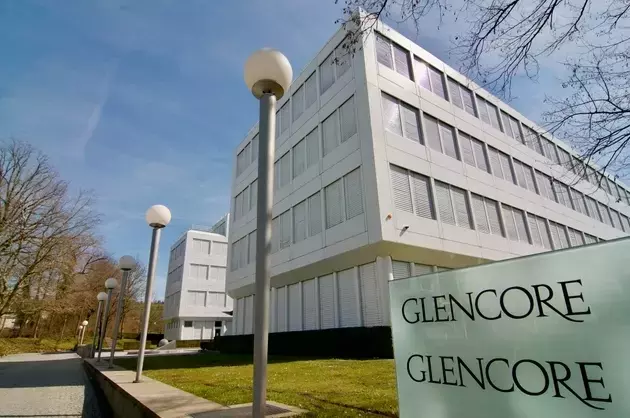
Glencore, a prominent entity in the mining and commodity trading sectors, presents a compelling investment opportunity, especially in the wake of its failed merger talks with Rio Tinto. The company's unique integrated model, which combines extensive mining operations with a sophisticated global commodities marketing network, enables it to optimize production and secure margins across crucial commodities such as copper, cobalt, and zinc. While recent financial disclosures have highlighted challenges like rising debt, net profit losses, and significant asset write-offs—largely attributed to its coal assets—the outlook for 2026 appears robust. This anticipated recovery is underpinned by a projected increase in core metal prices and a strategic realignment away from thermal coal, positioning Glencore for renewed growth and profitability.
Glencore's Unique Business Model and Market Advantage
Glencore distinguishes itself from traditional mining companies through its integrated business strategy, which combines active mining operations with a comprehensive global commodities marketing arm. This dual approach provides the company with a significant competitive edge, allowing it to control and monetize its production from extraction to market. By engaging in both the physical production of raw materials and their subsequent trading, Glencore is uniquely positioned to capture efficiencies and margins that pure-play miners typically forgo. This model is particularly effective in managing the volatility inherent in commodity markets, enabling the company to better navigate price fluctuations and supply chain disruptions.
This integrated structure is particularly beneficial for Glencore's core commodities, which include vital industrial metals such as copper, cobalt, and zinc. These metals are critical components in various high-growth industries, including renewable energy technologies, electric vehicles, and electronics. The ability to manage the entire value chain—from mining these essential materials to their global distribution and trading—allows Glencore to exert greater control over pricing and supply. Furthermore, this model enhances the company's ability to respond swiftly to market demands and adapt to evolving economic conditions, thereby maximizing profitability and ensuring a stable revenue stream. The strategic foresight to maintain this integrated model, even as some competitors divest their trading arms, underscores Glencore's commitment to leveraging its unique strengths for sustained market leadership.
Navigating Financial Headwinds Towards a Promising Future
Despite its strategic advantages, Glencore has recently encountered significant financial headwinds. The company's recent financial reports reveal an increase in overall debt, substantial net profit losses, and significant write-offs totaling over $10 billion. A considerable portion of these write-offs is directly linked to its thermal coal assets, reflecting the global shift away from fossil fuels and the increasing pressure on companies to transition towards more sustainable energy sources. These challenges underscore the cyclical nature of the commodities market and the inherent risks associated with extensive asset portfolios, particularly those in sectors undergoing rapid transformation. The current financial landscape, marked by these setbacks, suggests a period of adjustment and strategic recalibration for Glencore as it seeks to stabilize its balance sheet and adapt to new market realities.
However, looking ahead to 2026, there is a strong expectation for Glencore to achieve a significant turnaround. This optimistic outlook is predicated on several key factors, including the anticipated robust pricing environment for its core metals such as copper, cobalt, and nickel. Global demand for these materials is projected to surge, driven by the accelerating transition to green energy, expansion of electric vehicle markets, and continued industrial growth. Complementing this demand-side strength, Glencore's ongoing efforts to enhance operational efficiencies across its mining and marketing divisions are expected to yield substantial benefits. Crucially, the company's strategic pivot away from thermal coal and towards a more diversified and environmentally aligned portfolio is set to mitigate past risks and unlock new growth opportunities. This strategic realignment, combined with favorable market conditions for critical industrial metals, positions Glencore for a period of strong performance and enhanced shareholder value in the medium term.
