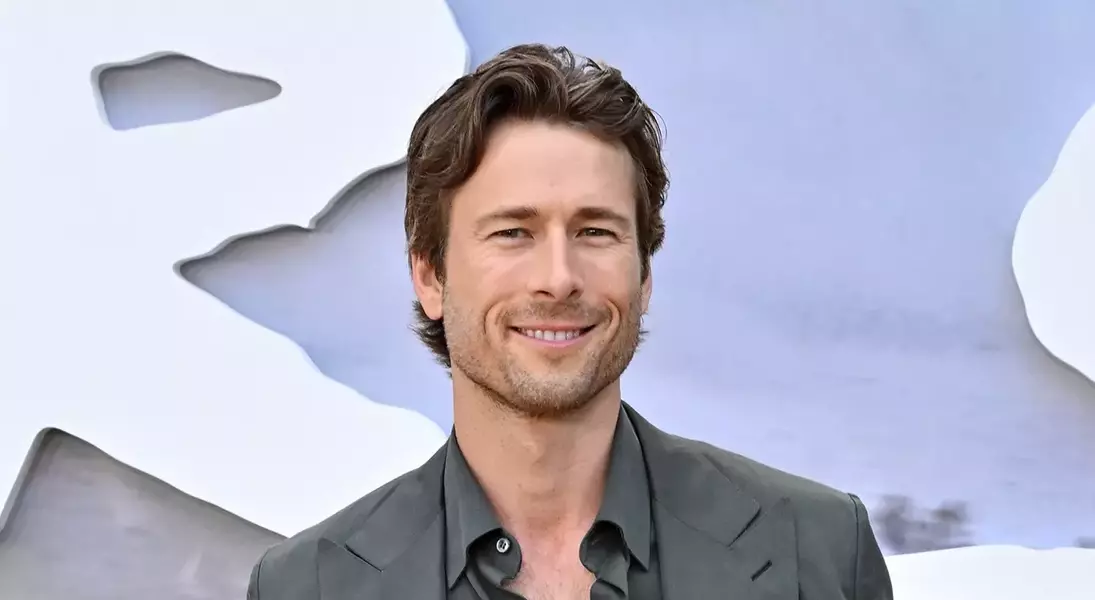
Glen Powell recently opened up about a delicate encounter with a 'canceled' figure in the entertainment world, sparking a broader conversation about public image, accountability, and the nature of cancel culture in modern society. His reflections offer a candid look into the pressures and ethical dilemmas faced by public figures.
Navigating the Tides of Public Opinion
A Candid Revelation: The Uncomfortable Photo Request
During a podcast appearance, actor Glen Powell recounted an uncomfortable moment at a social event. He was approached for a photograph by an individual whose career had been significantly impacted by public disapproval. This person, once admired for their artistic contributions, found themselves in a precarious position due to past controversies. Powell, acutely aware of the potential implications for his own public standing, found himself in a dilemma.
The Weight of Association: A Public Image at Stake
Powell recognized the gravity of being photographed with someone deemed 'toxic' by the public. He elaborated on the swift calculations he made in that instant, understanding that such an association could inadvertently tarnish his own reputation. This incident underscores the careful calibration actors must undertake in an era where public perception can instantly shift and alliances are scrutinized. The actor, though a fan of the individual's prior work, drew a clear line regarding their recent conduct.
Drawing Parallels: Russ Holiday's Redemption Arc
To contextualize his experience, Powell referenced his character, Russ Holiday, from the Hulu series Chad Powers. Holiday's narrative involves a public misstep and a subsequent attempt at redemption under a new identity. Powell noted the distinction between a character who makes an error and genuinely seeks to atone, versus individuals who face 'cancellation' due to more profound, less excusable actions. This comparison highlights a nuanced understanding of forgiveness and second chances within the public sphere.
The Unyielding Grip of Cancel Culture in the Digital Age
Powell further delved into the pervasive influence of cancel culture, particularly in an age dominated by social media. He pointed out that platforms like TikTok and Instagram ensure that past missteps are rarely forgotten. This constant digital archive means public figures must navigate a landscape where every action and choice is permanently recorded and subject to relentless scrutiny. The enduring nature of online content leaves little room for mistakes to simply fade away.
The Imperative of Acknowledgment: Saying 'I'm Sorry'
Central to Powell's discourse was the concept of accountability. He emphasized the crucial difference between those who double down on their actions or embrace conspiracy theories, and those who courageously acknowledge their wrongdoings. He praised the profound beauty in a character or individual learning to sincerely express remorse. This sentiment champions genuine reflection and atonement as pathways to potential reconciliation with the public, contrasting sharply with defensiveness or denial.
A Look Ahead: Powell's Upcoming Endeavors
Beyond these thoughtful reflections, Glen Powell's career continues to thrive. While Chad Powers captivates audiences on Hulu, Powell is also preparing for a significant role in the upcoming adaptation of Stephen King's The Running Man, slated for release in November. These projects demonstrate his ongoing artistic endeavors amidst his personal and professional observations on the complexities of fame and public scrutiny.
