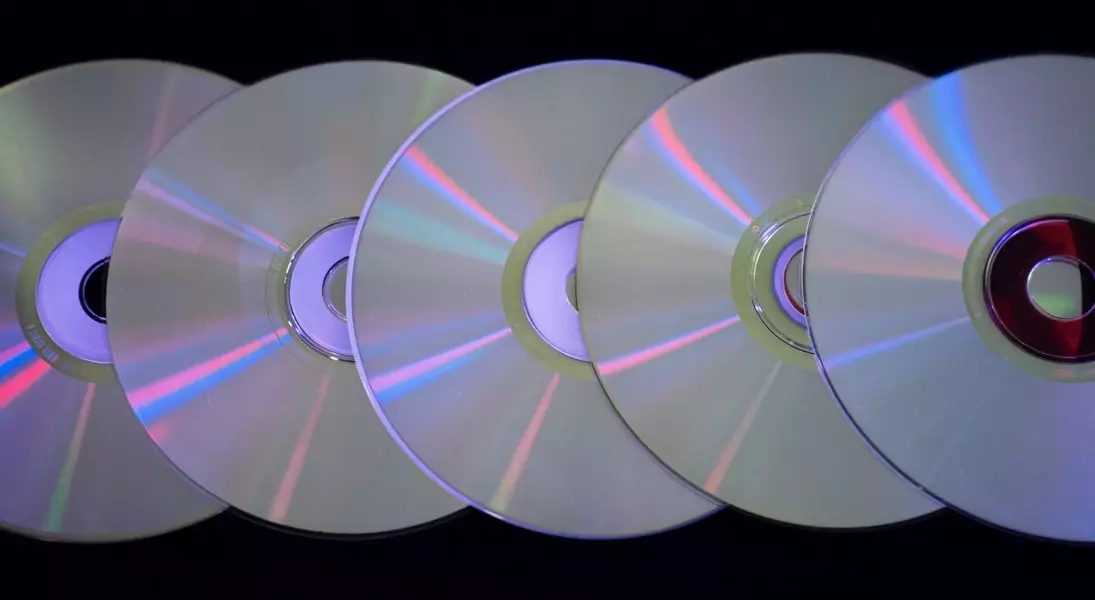
In a surprising and humorous turn of events, GitHub, the prominent code hosting platform owned by Microsoft, has revealed a unique initiative allowing users to obtain their public code repositories on tangible CD-ROMs. This announcement comes as a witty response to the ongoing discourse surrounding physical media in the gaming world, particularly Sony's speculated transition to digital-only PlayStation 6 titles. It reignites the debate on the permanence and accessibility of digital content versus the traditional appeal of physical formats.
GitHub's Nod to Nostalgia: Your Code on a Disc
The tech giant's statement, delivered via a recent tweet, playfully declares: "We heard you. And we agree. In light of recent developments in physical media, GitHub is proud to announce that you can now obtain your public repo on CD-ROM." The message continues with a nostalgic call to action: "Keep it. Lend it to friends. Pass it on to your children. Your code is physically yours, forever. Until you lose it, let's be real." This limited-edition offer is available for a brief window, from July 2 to July 6, 2026. Only the first 1,000 qualifying submissions will secure a copy, with a restriction of one per individual. While the application form doesn't mention a fee, suggesting these commemorative discs might be complimentary, interested users will need to apply to confirm.
This marketing stunt from GitHub is more about making a statement than providing a practical solution for code storage. Modern computing setups often lack optical drives, rendering these CD-ROMs more of a collectible item than a functional backup. However, for dedicated GitHub users and coding enthusiasts, owning a physical representation of their public projects could be a coveted display piece.
This development also draws attention to the varying approaches companies are taking toward digital content. While Sony appears to be leaning towards an all-digital future for its upcoming console, Microsoft's Xbox division is reportedly exploring a "disc-to-digital" feature, allowing users to convert their physical game libraries into digital ones. This contrast highlights an intriguing shift within the industry, where some platforms are moving away from physical media while others are finding innovative ways to bridge the gap between physical and digital ownership.
As the landscape of content consumption continues to evolve, this move by GitHub serves as a fascinating commentary on the perceived value and longevity of both digital and physical assets. It's a reminder that even in an increasingly digital world, there's still a place for the tangible, especially when it comes to preserving creations and making a memorable statement.
