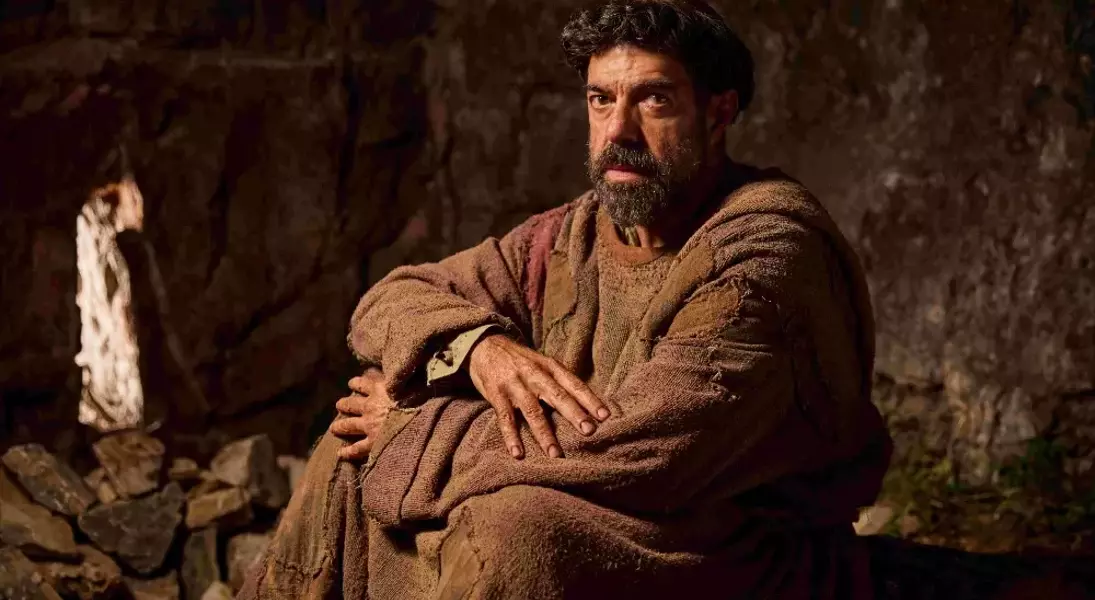
Giovanni Veronesi's latest cinematic creation, 'Dio Ride' (God Laughs), is slated to bring the 83rd Venice International Film Festival to a memorable close. This feature, showcasing a remarkable ensemble cast including Pierfrancesco Favino and Silvio Orlando, promises a unique exploration of faith, humor, and societal conventions. Festival director Alberto Barbera lauded the film for its distinctive narrative approach, which he believes captures a quintessential essence of Italian cinema that has been long overlooked.
The narrative of 'Dio Ride' is rooted in 17th-century Tuscany, loosely drawing inspiration from historical occurrences. It delves into the journey of a friar who employs levity and wit to disseminate spiritual messages, a method that inevitably draws the ire of the conventional church hierarchy. The film's thematic depth, addressing concepts of freedom, the potency of truth, and the intricate dynamics between individuals and authoritative structures, offers a compelling parallel to modern-day issues.
The Thematic Depth of "Dio Ride"
"Dio Ride," or "God Laughs," stands out for its profound thematic exploration, particularly its nuanced depiction of a friar navigating the rigid religious landscape of 17th-century Tuscany. The film masterfully intertwines humor with spirituality, presenting a protagonist who challenges conventional doctrines by using laughter as a conduit for divine understanding. This approach, while endearing to the populace, inevitably stirs controversy within the established church, highlighting a timeless conflict between dogmatism and a more humanistic interpretation of faith. The narrative, enriched by historical context, resonates with contemporary discussions on individual freedom, the pursuit of truth, and the complexities of power dynamics within societal institutions.
Giovanni Veronesi, along with his talented screenwriting team, has crafted a story that is not only historically evocative but also deeply reflective of universal human experiences. The film's ability to blend irony with a serious subject matter is particularly noteworthy, allowing it to address profound philosophical questions through an accessible and engaging lens. The friar, Frate Leopoldo, emerges as a figure of profound humanity, whose unconventional methods lead to transformative encounters that challenge the perspectives of those around him. This skillful storytelling imbues "Dio Ride" with a relevance that transcends its historical setting, inviting audiences to ponder the enduring questions of belief, authority, and the liberating power of a lighthearted spirit.
The Grand Finale of the Venice International Film Festival
The selection of "Dio Ride" as the closing film for the 83rd Venice International Film Festival underscores its significant artistic merit and its capacity to leave a lasting impression on attendees. Festival director Alberto Barbera's enthusiastic commendation of the film's ability to fuse irony and gravitas speaks volumes about its quality and the unique cinematic experience it offers. This prestigious slot not only provides a high-profile platform for Veronesi's work but also signals a celebration of a distinctive strain of Italian filmmaking that, according to Barbera, deserves greater recognition. The film's out-of-competition screening allows it to be appreciated purely for its artistic contribution, unburdened by the pressures of awards, and instead focusing on its narrative and thematic impact.
The film's international premiere at such a renowned festival is a pivotal moment for its global reception. With a talented cast and a compelling narrative that promises both entertainment and introspection, "Dio Ride" is poised to captivate a diverse international audience. Its subsequent release in Italian theaters and its international distribution through PiperFilm suggest a strategic effort to ensure its widespread accessibility. The anticipation surrounding its festival debut, coupled with the critical acclaim it has already garnered from the festival director, positions "Dio Ride" as a significant cultural event, poised to stimulate conversations about the interplay of faith, power, and human nature on a global scale.
