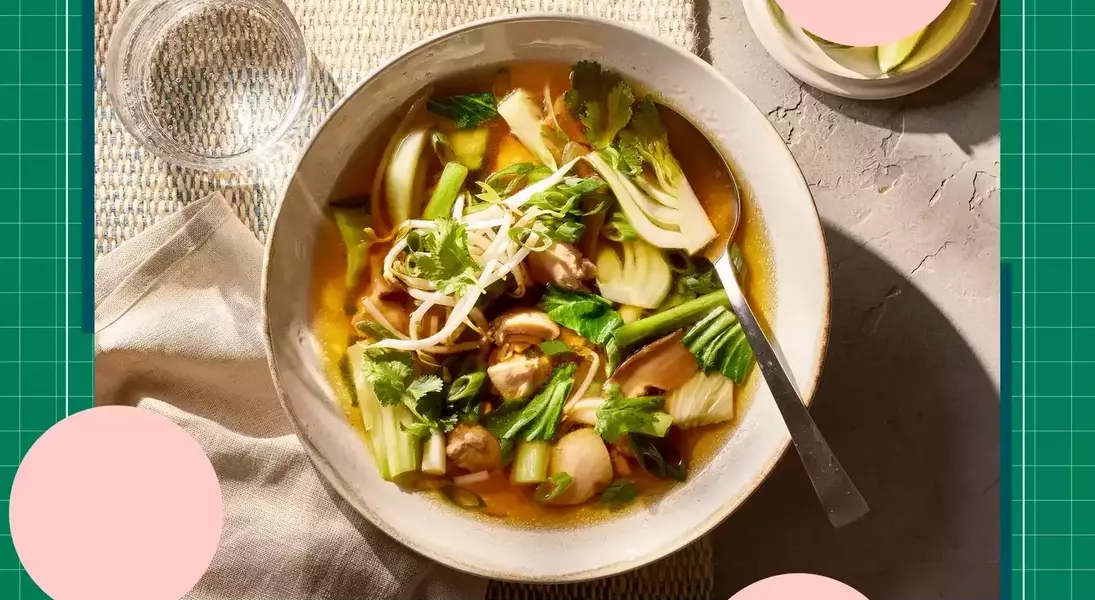
Ginger, often recognized for its aromatic zest in desserts and teas, holds a significant place as a natural anti-inflammatory agent, especially when infused into comforting soups. This remarkable spice not only enhances flavor profiles but also delivers substantial health benefits, making it an overlooked yet essential kitchen staple. Chronic inflammation, a silent contributor to numerous long-term health conditions including heart disease and arthritis, can be effectively managed through mindful dietary choices. Integrating ginger into your meals, particularly in warm broths and soups, offers a simple yet profound way to counteract inflammatory responses within the body.
How Ginger Elevates Your Soups and Combats Inflammation
In the culinary world, ginger stands out as a versatile ingredient capable of transforming ordinary soups into health-boosting concoctions. Fresh ginger, with its sharp and subtly spicy undertones, is best grated or finely chopped and introduced early in the cooking process. This method allows its essence to thoroughly permeate the broth, enriching the soup's flavor and therapeutic properties. For a more intense flavor profile and extended shelf life, powdered ginger serves as an excellent alternative; a modest amount is typically sufficient, with more added to taste. Additionally, for an unexpected twist, lightly sweetened candied ginger can be chopped and incorporated into certain soup or salad recipes, offering a unique blend of sweetness and spice. Ginger harmonizes exquisitely with various ingredients such as root vegetables, chicken, and seafood, rendering it an adaptable component for a multitude of soup variations.
Understanding inflammation is key to appreciating ginger's role. Acute inflammation is the body’s natural and necessary defense mechanism against injuries and infections. However, when this response becomes persistent, it leads to chronic inflammation, a state detrimental to health. Dietary habits significantly influence inflammatory levels. Consuming excessive sugar, processed foods, and saturated fats can trigger pro-inflammatory cytokines, exacerbating chronic inflammation. Conversely, a diet rich in fruits, vegetables, nuts, seeds, and spices like ginger can actively mitigate inflammation, fostering improved health outcomes.
Ginger's acclaimed anti-inflammatory capabilities stem from its active compounds: gingerol, shogaol, and paradol. Gingerol, the primary bioactive component, is instrumental in reducing inflammation by inhibiting the production of inflammatory signaling molecules and enzymes. This action is particularly beneficial in alleviating swelling and pain associated with conditions like osteoarthritis and rheumatoid arthritis. Shogaol and paradol, formed when gingerol is cooked or dried, further contribute to ginger’s anti-inflammatory prowess by suppressing nitric oxide production, a molecule that can induce chronic inflammation when overproduced.
Incorporating ginger into your cooking is a straightforward yet impactful step towards better health. Its accessibility, ease of use, and scientifically backed benefits make it an ideal choice for anyone looking to reduce chronic inflammation through diet. Embracing ginger in your daily routine, especially in the form of nourishing soups, is a palatable and effortless strategy to enhance well-being without drastic lifestyle changes.
From a culinary enthusiast's perspective, the integration of ginger into everyday cooking, particularly in soups, is a revelation. It's more than just a spice; it's a wellness elixir that marries flavor with profound health benefits. This realization inspires a deeper appreciation for natural ingredients and their potential to heal and nourish. It prompts a reevaluation of kitchen staples and encourages a more adventurous approach to cooking, seeking out ingredients that not only delight the palate but also contribute to a healthier, more vibrant life. The simplicity of adding a pinch of powdered ginger or a slice of fresh root into a simmering pot demystifies the concept of medicinal cooking, making it an achievable and enjoyable practice for everyone.
