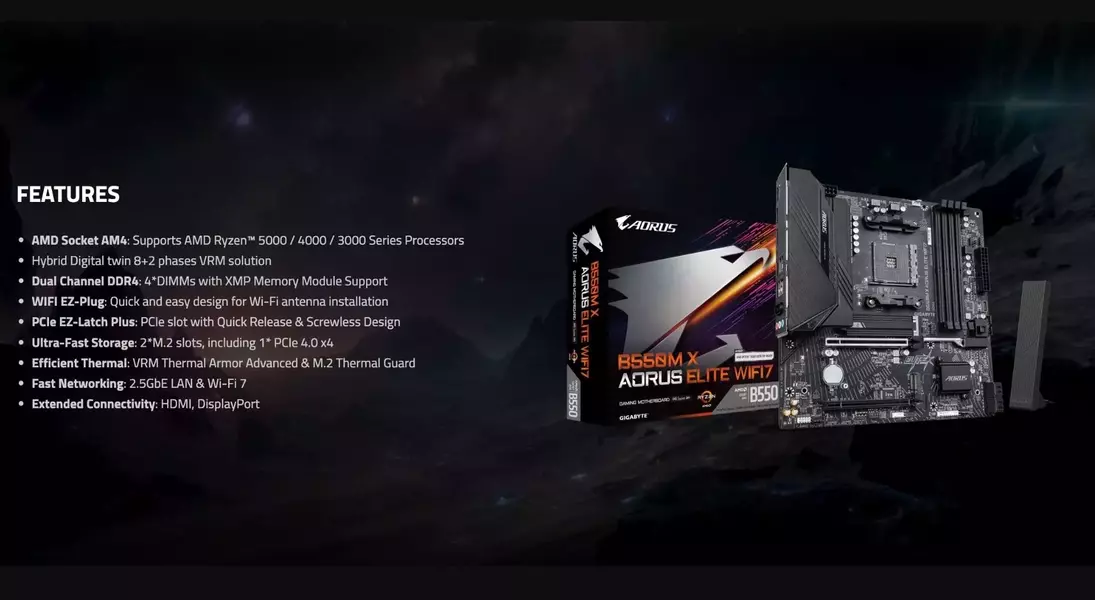
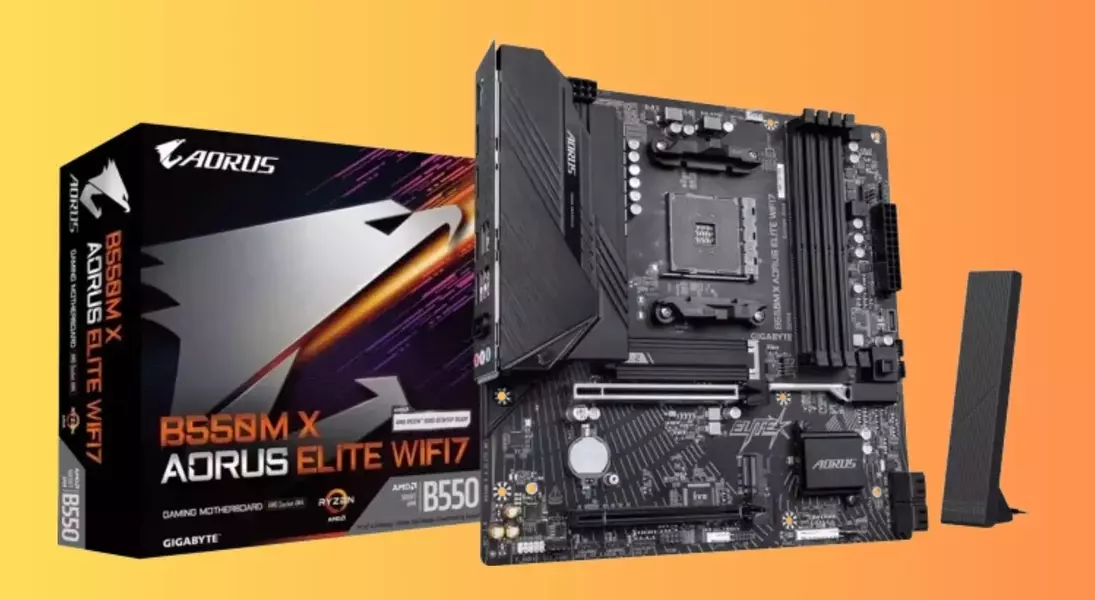
In an unexpected twist for the PC hardware market, Gigabyte has unveiled a fresh lineup of motherboards built for the AM4 socket, specifically the B550 X series. This development signals a significant pivot, driven by the escalating costs and scarcity within the memory sector. Many enthusiasts had anticipated a full transition to newer platforms, yet the current economic landscape necessitates a reevaluation of past technologies to offer more accessible options for consumers.
Gigabyte positions its new B550 X series as a "powerful refresh" for the AM4 platform, highlighting its compatibility with the AMD Ryzen 7 5800X3D. This CPU, while not the latest, was well-received upon its 2022 release for its strong performance relative to its price. The company asserts that the B550 X motherboards are specifically engineered to harness the capabilities of this processor, featuring 8 cores, 16 threads, and a substantial 96 MB of L3 cache, making it an attractive choice for those seeking value without compromising too much on power.
The decision by AMD to reintroduce the 5800X3D processor this year underscores the challenges faced by the market, a move described by AMD itself as particularly difficult. While the 5800X3D boasts impressive specifications, it naturally trails behind cutting-edge processors such as the Ryzen 7 9800X3D. The newer chip features a higher base clock of 4.7 GHz compared to the 3.4 GHz of its predecessor, and benefits from more advanced architectural designs, collectively yielding an estimated 30% increase in performance.
The B550 X series motherboards come equipped with modern features, including Wi-Fi 7 connectivity and a robust 10-phase, 60A DrMOS VRM design, along with Gigabyte's proprietary EZ PCIe latch and EZ-plug. Despite these advancements, the underlying issue of memory pricing looms large. The primary reason for the renewed focus on AM4 is the exorbitant cost of DDR5 memory, which is essential for AM5 motherboards. Unfortunately, the price of DDR4 memory has also seen an uptick, leaving consumers in a difficult position regardless of their platform choice.
While providing more options to consumers is a commendable strategy to mitigate the impact of rising prices, it ultimately serves as a temporary fix for a deeper, systemic problem. The rapid expansion of artificial intelligence technologies has significantly increased demand for high-performance hardware, outstripping current supply capabilities. This imbalance suggests that the memory crisis is far from over, with projections from major manufacturers like Samsung indicating a "severe" supply shortage extending into the foreseeable future, with limited visibility beyond 2029.
Therefore, for consumers aiming to assemble a reasonably priced gaming PC, the current market conditions may necessitate opting for an AM4-based system, potentially utilizing older components. While such a setup may not represent the pinnacle of current technology, it still offers a viable pathway to enjoyable gaming experiences. This situation profoundly illustrates the extent to which the ongoing memory crisis has reshaped the landscape of PC building.
