Anime has a rich history of groundbreaking science fiction, from the cyberpunk vision of Akira to the existential mech battles of Neon Genesis Evangelion and the noir jazz of Cowboy Bebop. Yet, amidst these iconic works, Mamoru Oshii’s 1995 film, Ghost in the Shell, uniquely confronts the profound implications of synthetic identity and digital consciousness. This cinematic achievement, now accessible on YouTube, continues to shape our understanding of a technologically advanced yet unsettling future, impacting films like The Matrix and Avatar.
The Enduring Resonance of "Ghost in the Shell"
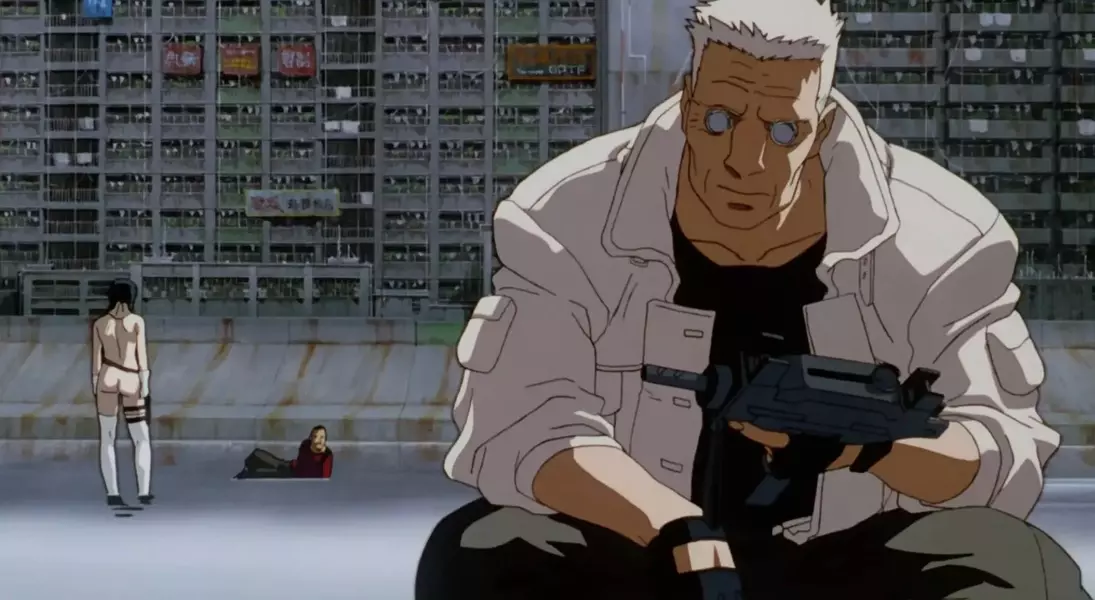
Mamoru Oshii’s seminal 1995 animated film, “Ghost in the Shell,” an adaptation of Masamune Shirow’s manga, distinguishes itself by profoundly exploring the blurred boundaries between human consciousness and artificial intelligence. Rather than focusing on a simple plot, Oshii masterfully transforms the source material's lighter tone into a meditative journey. The narrative centers on Major Motoko Kusanagi, a cybernetic government agent, and her elite tactical team, Public Security Section 9, including seasoned operatives Batou, Togusa, and Chief Daisuke Aramaki, as they hunt a cryptic hacker known as the Puppet Master. However, the film’s true essence lies in its philosophical inquiry into the nature of selfhood in an increasingly digital world, moving beyond the mere identification of a villain to question what it means to be human when technology can replicate consciousness.
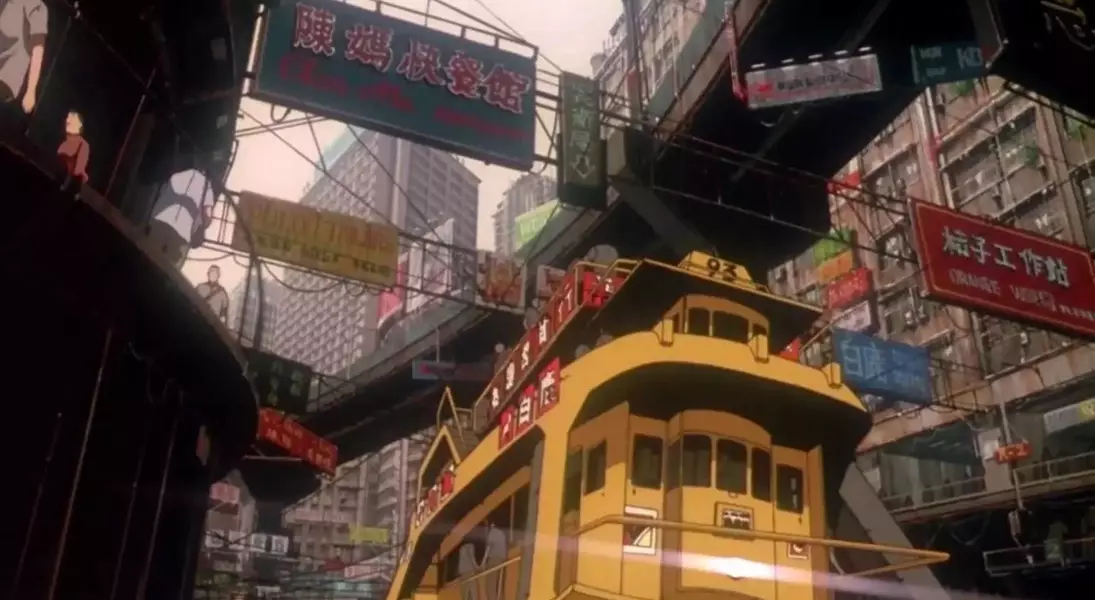
Unlike many action-driven anime, “Ghost in the Shell” invites its audience into contemplative silence, allowing for a deeper immersion into its unsettling vision of technology’s impact. Oshii’s direction paints a vivid neo-noir cyberpunk landscape: bustling urban streets, colossal structures, neon illuminations, rain-streaked windows, intricate overhead wiring, and aerial vehicles traversing polluted skies. This meticulously crafted Newport City, inspired by 1990s Hong Kong, feels authentically lived-in, sidestepping the typical dystopian clichés. A notable scene, the chase involving a hacked garbage truck driver, exemplifies this approach; Kusanagi, utilizing her thermoptic suit, navigates a waterlogged alleyway with understated intensity, showcasing both her exceptional abilities and the city's palpable decay.
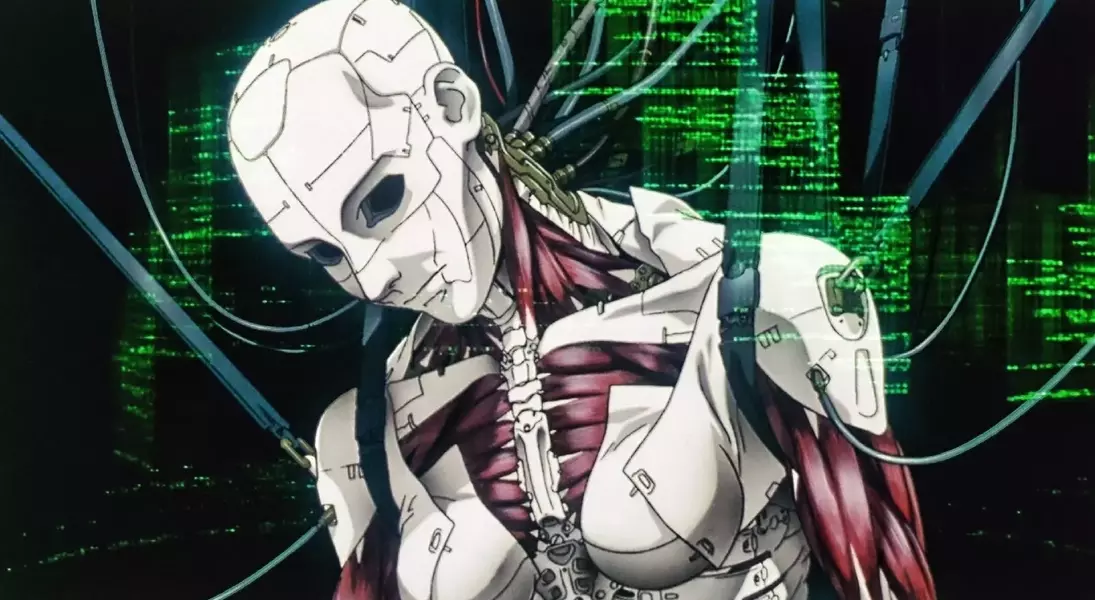
The film’s visual artistry represents a pinnacle of traditional cel animation fused with pioneering digital filmmaking techniques. Production I.G., the animation studio, employed a revolutionary method called "Digital Optical Composition." This involved digitizing thousands of hand-painted cels, enabling animators to digitally layer, distort, and manipulate light with unprecedented precision. The ethereal distortion of Kusanagi’s thermoptic suit, the shimmering green digital code of tactical displays, and the glistening water on asphalt were all meticulously composited by hand-drawn elements, achieving a level of environmental realism that even contemporary CGI often struggles to replicate.
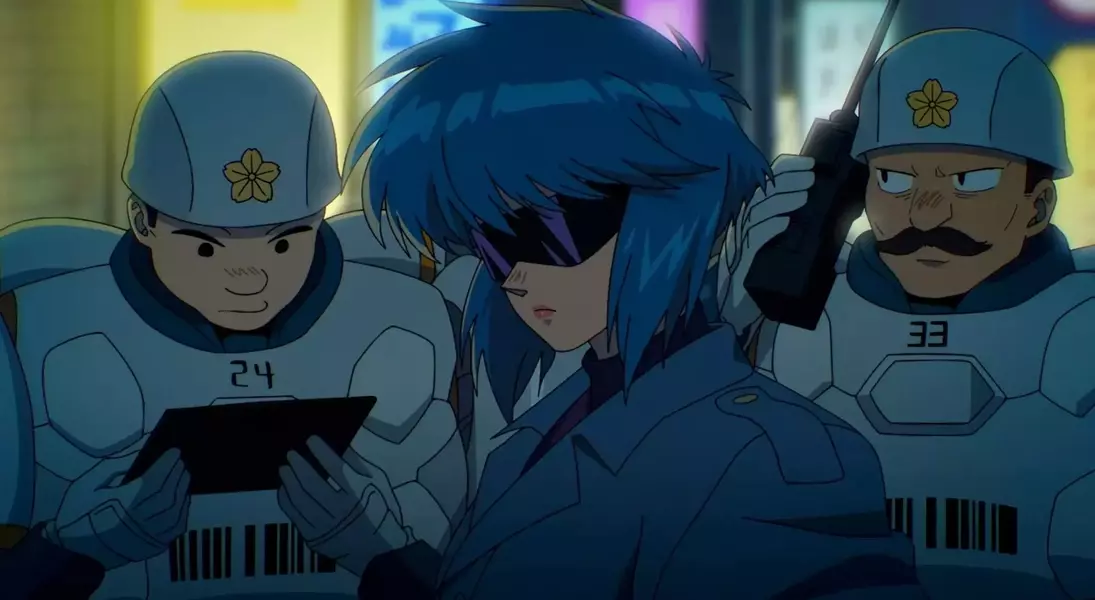
Oshii’s interpretation starkly deviates from Shirow’s original manga, which is rich in humor and dense exposition. Recognizing the impracticality of directly translating such intricate details to the screen, Oshii stripped the narrative to its philosophical core, focusing intensely on Motoko, the Puppet Master, and the elusive concept of self. The result is a dreamlike noir experience that resonates differently from its source material. This contrast is particularly relevant today with Science Saru’s recent anime adaptation of “The Ghost in the Shell,” which adheres closely to the manga, offering a fresh perspective on Oshii’s audacious artistic choices. Nearly three decades post-release, Oshii’s vision remains a poignant and unwavering piece of speculative fiction, dedicated to exploring the human soul rather than providing superficial answers. Its animation is still stunning, especially in 4K, and Kenji Kawai’s haunting musical score continues to evoke a chillingly profound emotional response.
The ongoing quest for identity beyond the physical body, a central theme for Motoko, retains its profound significance. Whether one encounters this masterpiece for the first time or returns to it after many years, its ability to provoke thought and stir the imagination remains undiminished, underscoring why the "ghost in the machine" continues to captivate and challenge us.
