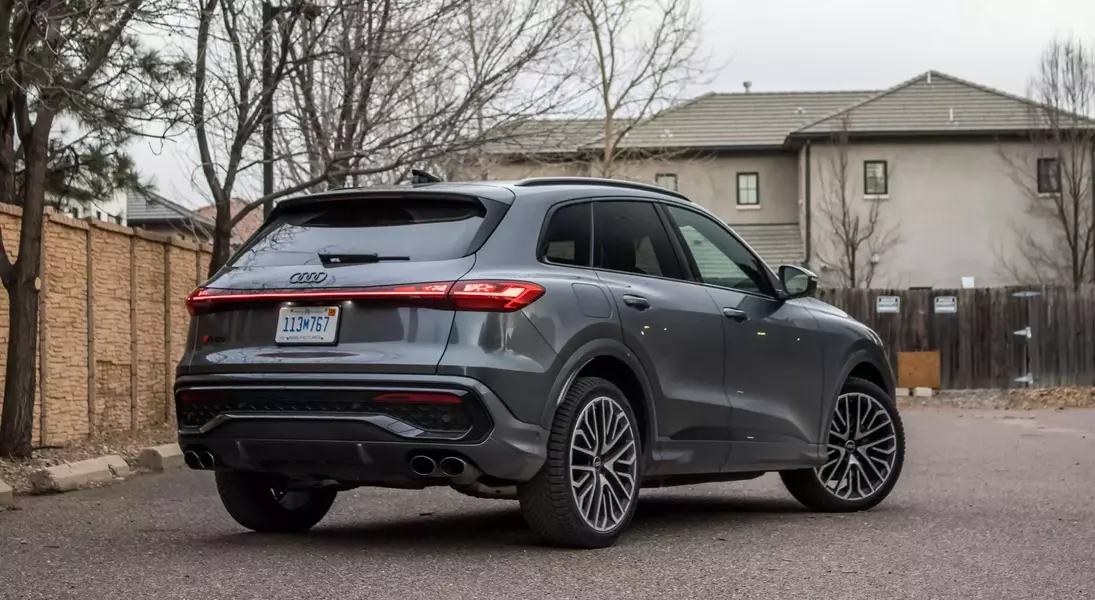
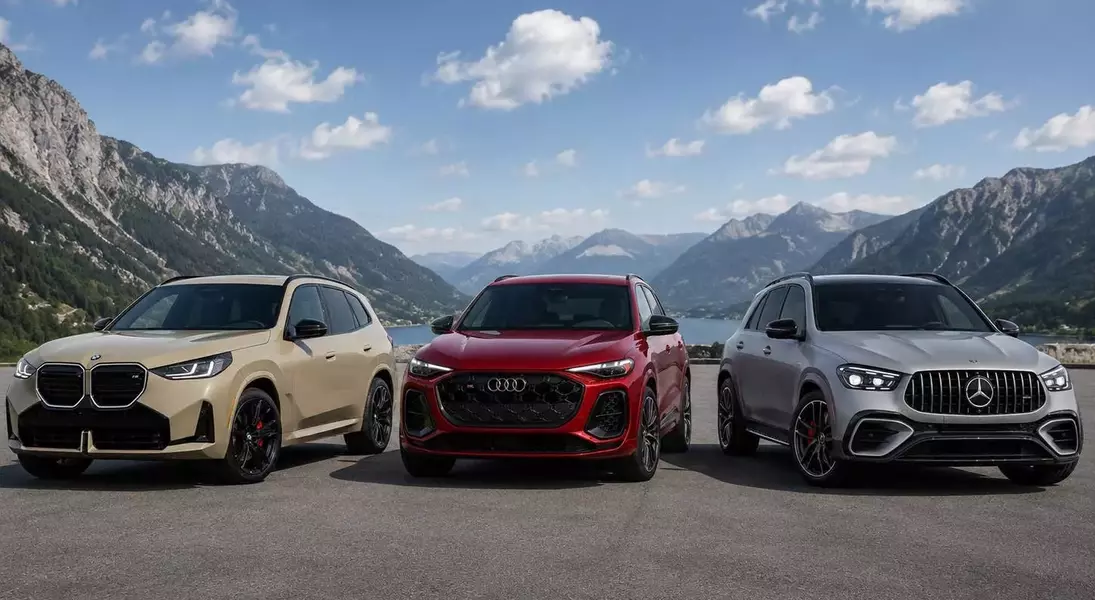
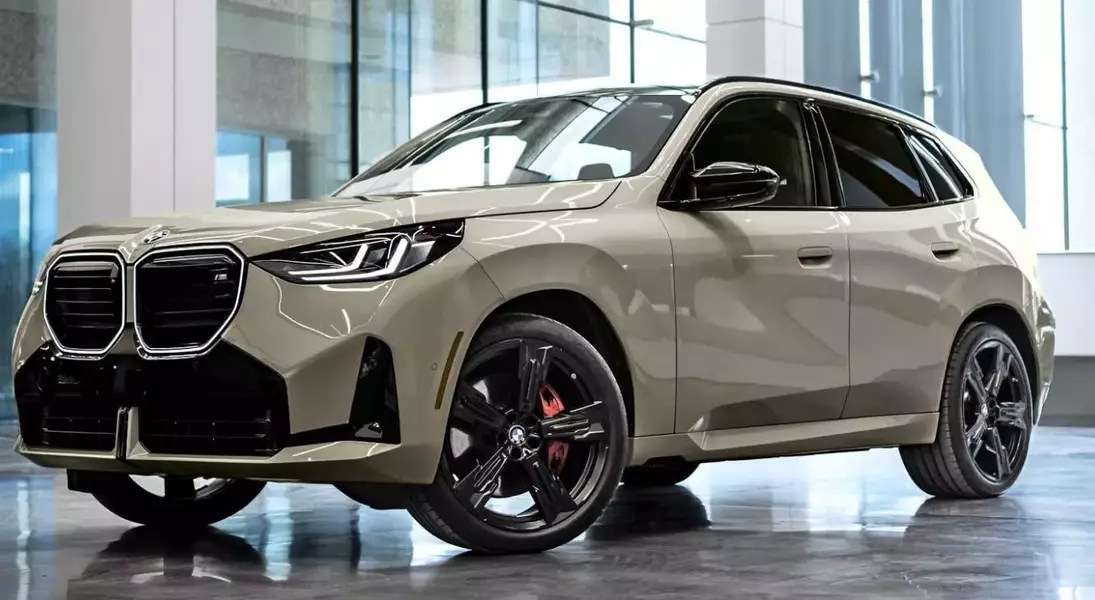
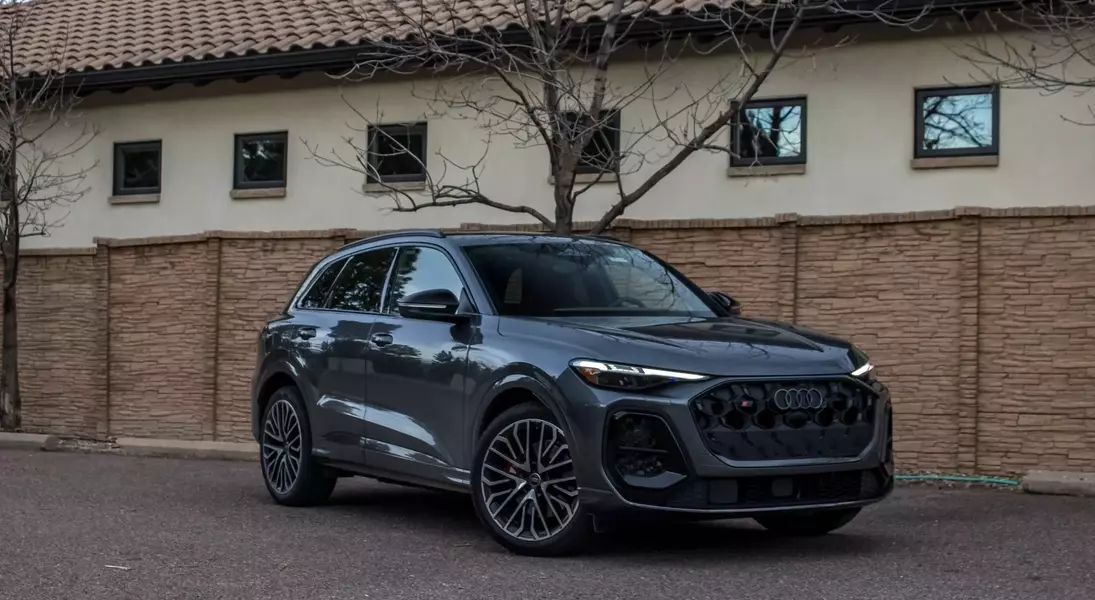
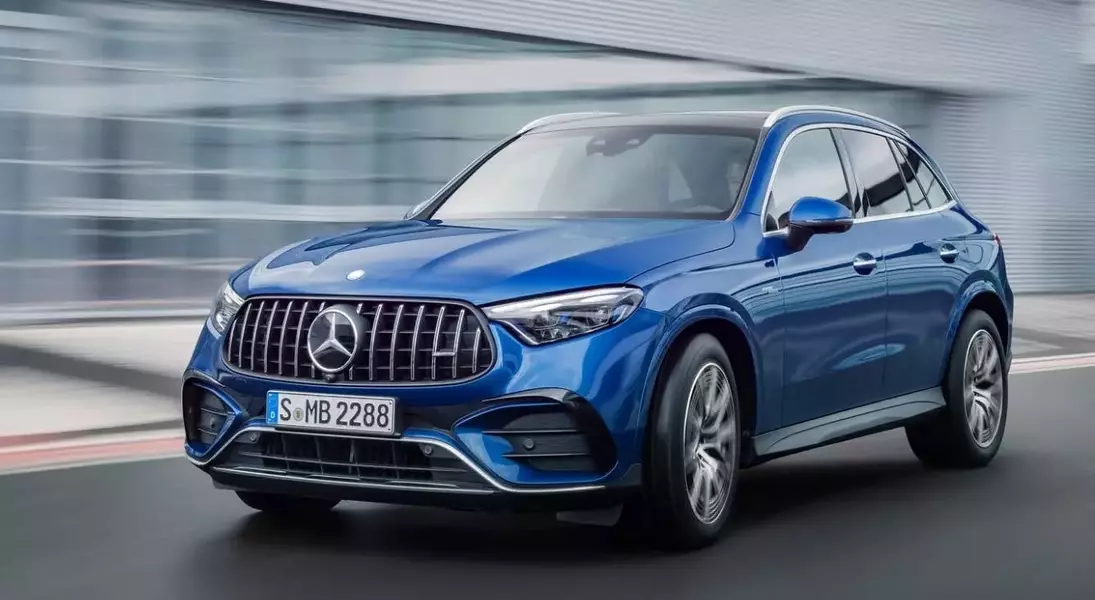
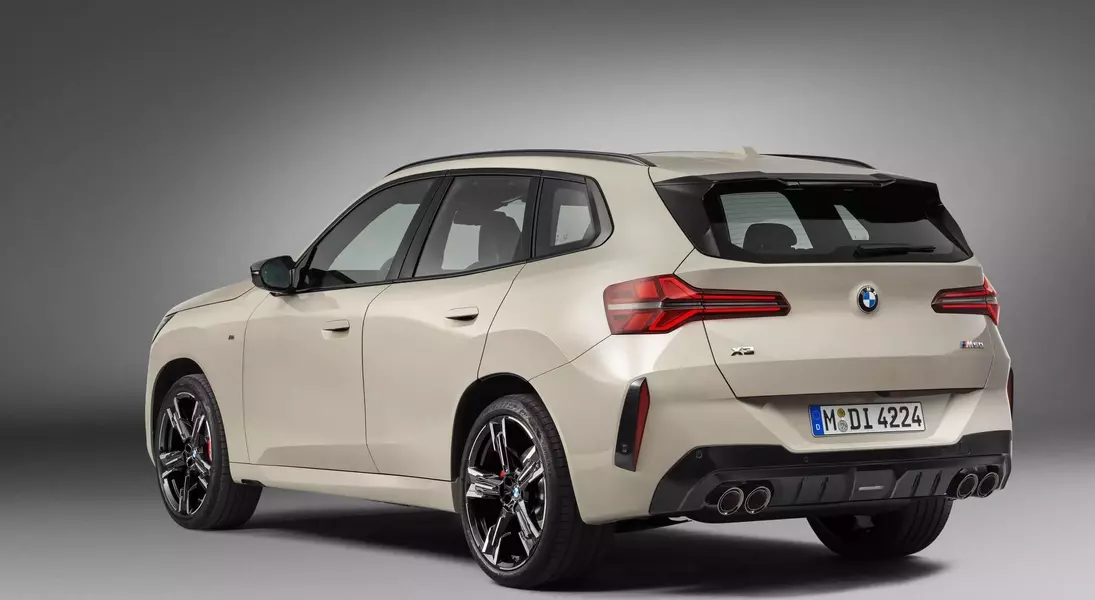
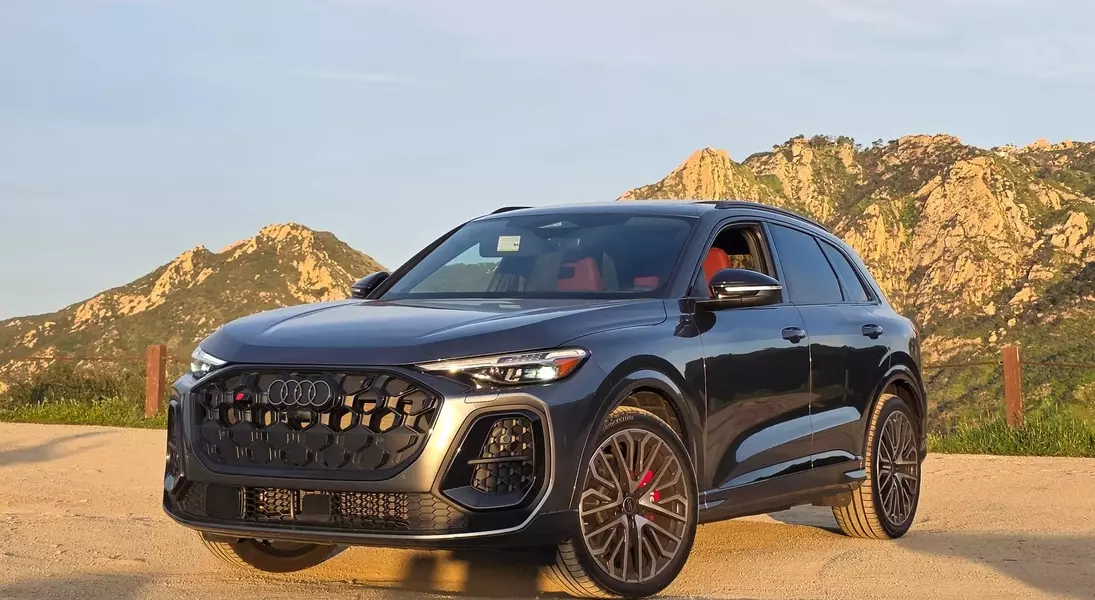
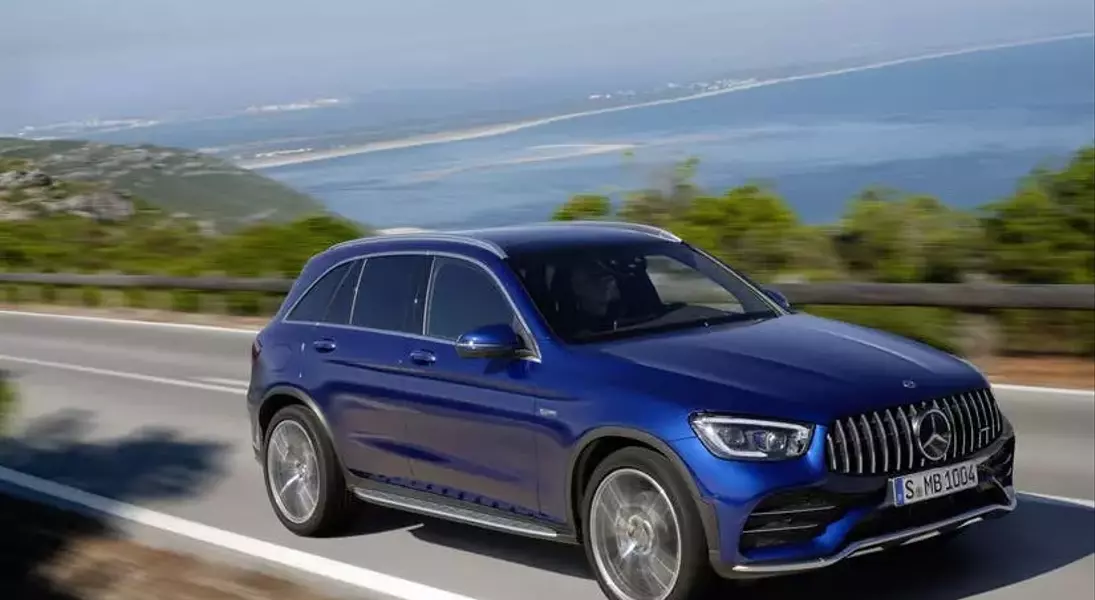
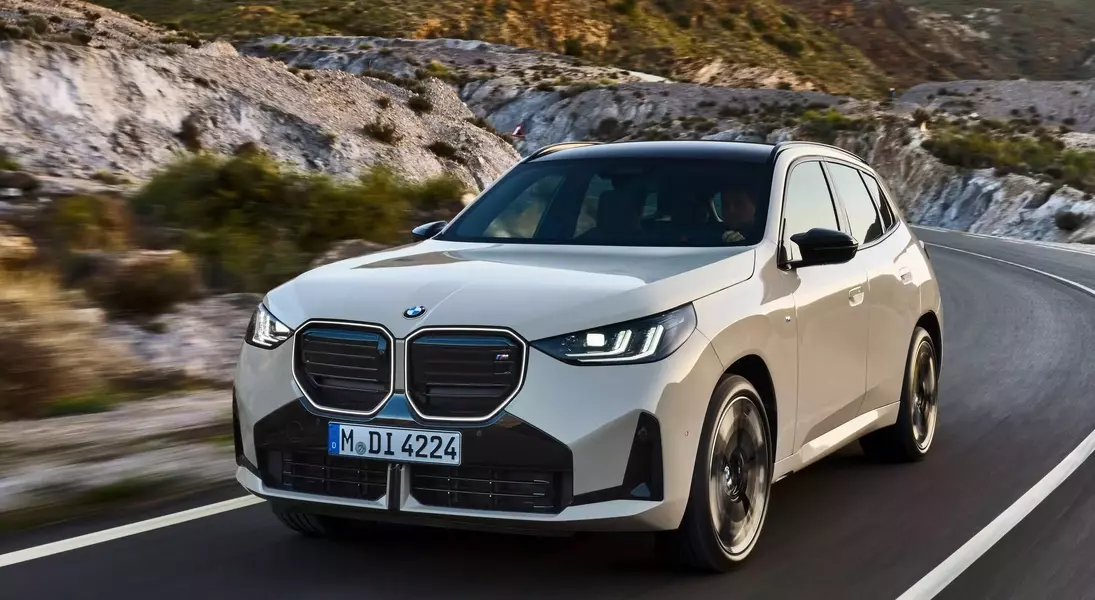
In the competitive landscape of luxury compact SUVs, consumers often find themselves at a crossroads between three prominent German manufacturers: BMW, Audi, and Mercedes-Benz. For the 2026 model year, this choice is particularly compelling with the introduction of the BMW X3 M50, the updated Audi SQ5, and the potent Mercedes-AMG GLC 43. Each vehicle brings its unique engineering philosophy to the segment, offering turbocharged, all-wheel-drive, mild-hybrid powertrains that deliver exhilarating performance within a similar price range. The ultimate decision hinges on individual priorities, whether they lean towards engine characteristics, interior luxury, or outright performance figures.
When examining raw power and acceleration, the Mercedes-AMG GLC 43 stands out with a 2.0-liter turbocharged four-cylinder engine producing an impressive 416 horsepower, enabling a 0-60 mph sprint in approximately 4.0 seconds. While the AMG boasts the highest horsepower, its four-cylinder configuration may lack the mechanical depth and sonic appeal of its six-cylinder rivals. The BMW X3 M50, powered by a 3.0-liter turbocharged inline-six with 393 horsepower, achieves 60 mph in 4.4 seconds. This engine is celebrated for its smooth, linear power delivery and engaging sound. The Audi SQ5, featuring a 3.0-liter turbocharged V6 with 349 horsepower, is the least powerful of the trio and its dual-clutch transmission can exhibit some hesitancy at lower speeds. In terms of driving experience, the BMW X3 M50 is lauded for its agile handling, minimal body roll, and communicative steering, offering a sport-sedan-like feel despite its SUV stature. The Audi SQ5 prioritizes comfort with a more compliant ride, appealing to those who value refinement over aggressive cornering. The GLC 43 offers a balance, with adaptive dampers that stiffen in sport mode, though its steering feel is less precise than the BMW's.
Beyond initial acceleration, real-world driving scenarios reveal further distinctions. The Mercedes excels in drag races from a standstill due to its aggressive launch control and powerful engine. However, the BMW's inline-six demonstrates superior mid-range power, making it more effective for everyday overtaking on highways. The AMG's four-cylinder, while potent, can feel less sustained at higher speeds compared to the six-cylinder engines. Braking performance also favors the BMW X3 M50, which provides shorter stopping distances and a more confident pedal feel. Considering the financial aspect, the Audi SQ5 typically has the lowest entry price, while the Mercedes-AMG GLC 43 is the most expensive, and BMW positions itself in the middle but includes complimentary maintenance for three years, enhancing its overall value proposition. All three models come with a standard 4-year/50,000-mile warranty.
Ultimately, the choice among these high-performance German SUVs reflects personal driving preferences and priorities. For the enthusiast who cherishes an engaging driving experience and a soulful engine, the BMW X3 M50 emerges as the clear frontrunner. If comfort, a refined interior, and a slightly lower price point are paramount, the Audi SQ5 is an excellent contender. Meanwhile, those who prioritize headline-grabbing horsepower figures and blistering straight-line acceleration will find the Mercedes-AMG GLC 43 a compelling option. Each vehicle represents the pinnacle of German engineering in its own right, offering a unique blend of performance, luxury, and driving character to suit diverse tastes.
