
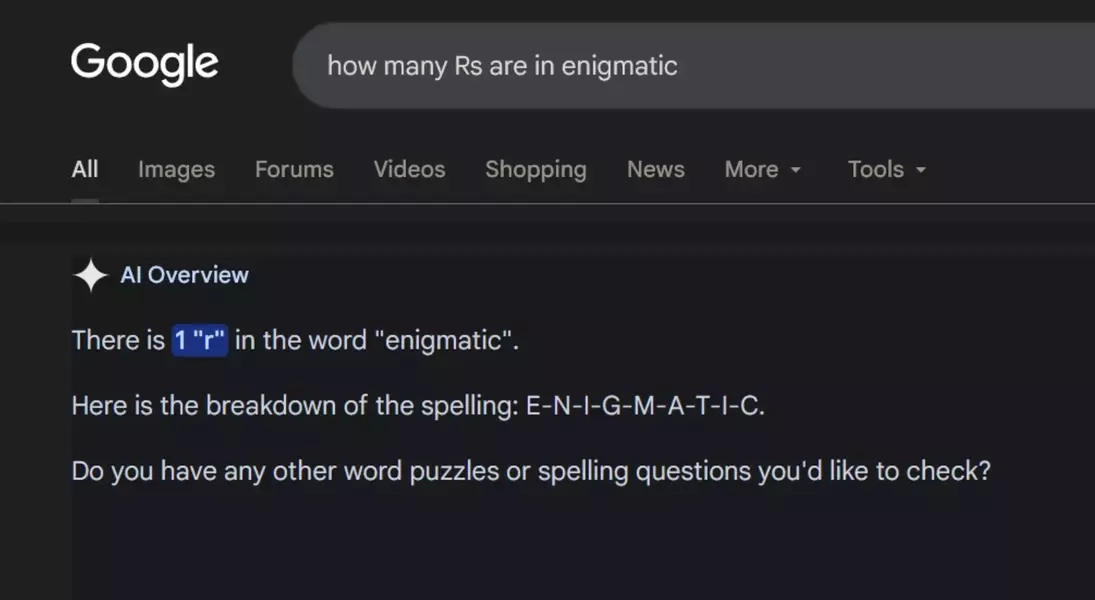
A recent judgment by a German court has established that Google bears responsibility for inaccuracies presented in its Search's AI Overviews, a development that could reshape how AI-generated content is viewed legally worldwide. The ruling stems from a case involving misleading information about two Munich-based publishers, where Google's AI falsely linked them to a third party's dubious business practices.
The core of the legal dispute, initiated after Google failed to adequately address a cease-and-desist letter, centered on whether AI Overviews constitute Google's own statements, thus making the company liable. Traditional search results, under German law, typically offer limited liability for third-party content. However, the Munich Regional Court distinguished AI Overviews as a novel legal category, suggesting that their direct, summary-like presentation makes them akin to Google's own pronouncements rather than mere aggregations of external sources.
The court's decision, issued on May 28, found that Google's AI algorithms and content offerings are entirely within its control, thereby making it responsible for the "independent, new, and substantive statements" generated. This conclusion was reached despite Google's argument that users are generally aware of the fallibility of AI-generated information and can cross-reference linked sources. The court dismissed this defense, emphasizing that the ability to fact-check does not absolve the generator of responsibility for false claims.
The judgment has significant implications, especially concerning the concept of free speech in relation to AI. The court clarified that AI-generated content is not an expression of personal conviction but rather the outcome of an algorithm, fundamentally differing from human-authored statements protected by free speech doctrines. It also characterized AI-assisted research as a primary component of Google's business operations, with any free speech interest being secondary.
In the aftermath, Google faces an injunction preventing the dissemination of false information about the publishers and was ordered to cover 80% of the legal expenses. This verdict could indeed spark similar legal discussions globally, as courts grapple with defining liability in the rapidly evolving landscape of artificial intelligence. The case underscores a critical shift in legal perspectives, challenging technology companies to take greater ownership of the content produced by their AI systems.
