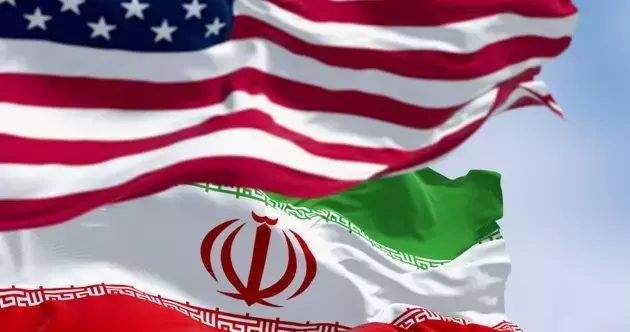
This analysis explores the current state and future trajectory of the oil market, heavily influenced by geopolitical conflicts, particularly between the United States and Iran. It delves into the significant price increases, inventory depletions, and strategic reserve challenges, offering a conditional bullish outlook amidst ongoing supply deficits and slow recovery projections.
Geopolitical Strife Fuels Oil Market Volatility
Global Oil Landscape Amidst US-Iran Tensions
The global oil market is currently experiencing a period of intense fluctuation, largely driven by the ongoing geopolitical tensions between the United States and Iran. The conflict has acted as a significant catalyst, pushing crude oil prices upward by a notable 45.8% since its inception. This surge is directly linked to the market's perception of increased risk to oil supply, given the strategic importance of the region.
Impact of Hostilities on Crude Prices and Inventories
The escalation of hostilities has not only impacted pricing but also led to a severe reduction in oil inventories worldwide. As fears of supply disruptions mount, market participants are accumulating reserves, further tightening the available supply. This depletion of inventories exacerbates the upward pressure on crude prices, creating a challenging environment for global economies reliant on stable energy costs.
Conditional Optimism for Oil Prices Post-Ceasefire Talks
Even in the event of potential ceasefire talks, the outlook for oil prices remains cautiously optimistic. While a cessation of active conflict might alleviate some immediate supply concerns, the underlying structural issues of persistent supply deficits and the slow pace of inventory recovery suggest that prices are unlikely to see a dramatic decline. The market will likely maintain a bullish stance, adapting to a new normal of elevated energy costs.
Strategic Petroleum Reserve Depletion and Future Flexibility
A critical factor contributing to the market's vulnerability is the significant draw-down of the US Strategic Petroleum Reserve (SPR). Since the conflict began, SPR levels have decreased by 12.1%, substantially reducing the United States' capacity to respond to future supply shocks. This limited flexibility makes the global oil market more susceptible to price spikes from any new geopolitical or supply-side disruptions.
Long-term Outlook for OECD Oil Inventories
The recovery of OECD oil inventories to a comfortable range of 55–60 days of supply is not anticipated to occur until at least 2027. This extended timeline underscores the deep-seated nature of the current supply-demand imbalance. The prolonged period of constrained inventories implies that, despite any short-term resolutions, the fundamental pressure on oil prices will persist for several years, curbing expectations for a significant and sustained price drop.
