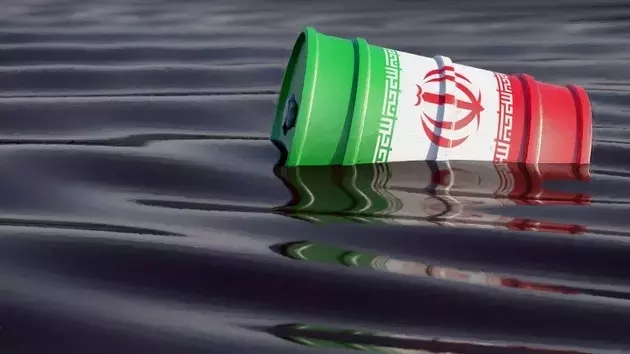
The recent military confrontations between the United States and Iran have triggered significant global concerns, primarily centering on the closure of the Strait of Hormuz. This critical waterway, essential for a substantial portion of the world's oil shipments, now faces an uncertain future. The immediate consequence of such a closure is the potential for a dramatic increase in oil prices, which could send ripples throughout the global economy. While the direct impact on the U.S. economy might be mitigated due to its relative insulation from immediate supply shocks, the overarching sentiment of instability could still influence market behavior. Investors often react strongly to geopolitical uncertainties, making market sentiment a key factor during these volatile periods. The international community, particularly oil-dependent nations, watches anxiously as the situation unfolds.
In response to these developments, attention is now turning to international organizations, most notably OPEC+. Their upcoming meeting is anticipated to be a crucial platform for discussing potential interventions. Options on the table may include adjusting oil output to stabilize prices or negotiating safe passage through the Strait of Hormuz. However, the complexity of the geopolitical landscape, exacerbated by recent retaliatory strikes that have affected several OPEC+ member states, means that definitive outcomes are far from guaranteed. The uncertainty surrounding these negotiations only adds to the prevailing market anxiety.
Amidst this backdrop of heightened geopolitical risk and economic uncertainty, gold has unequivocally demonstrated its role as a leading safe-haven asset. As global markets experience turbulence and investors seek stability, the allure of precious metals intensifies. Gold's consistent performance during periods of crisis underscores its inherent value as a store of wealth, attracting capital from those looking to hedge against market volatility. This flight to safety highlights a fundamental truth about human nature and financial markets: in times of doubt, tangible assets like gold offer a sense of security that other investments may not provide.
The unfolding events in the Persian Gulf serve as a stark reminder of the interconnectedness of geopolitics and global economic stability. It emphasizes the need for diplomatic solutions and international cooperation to prevent conflicts from escalating into wider economic crises. The resilience of global markets and the well-being of economies worldwide depend on navigating these challenges with wisdom and foresight, fostering an environment where peace and prosperity can flourish.
