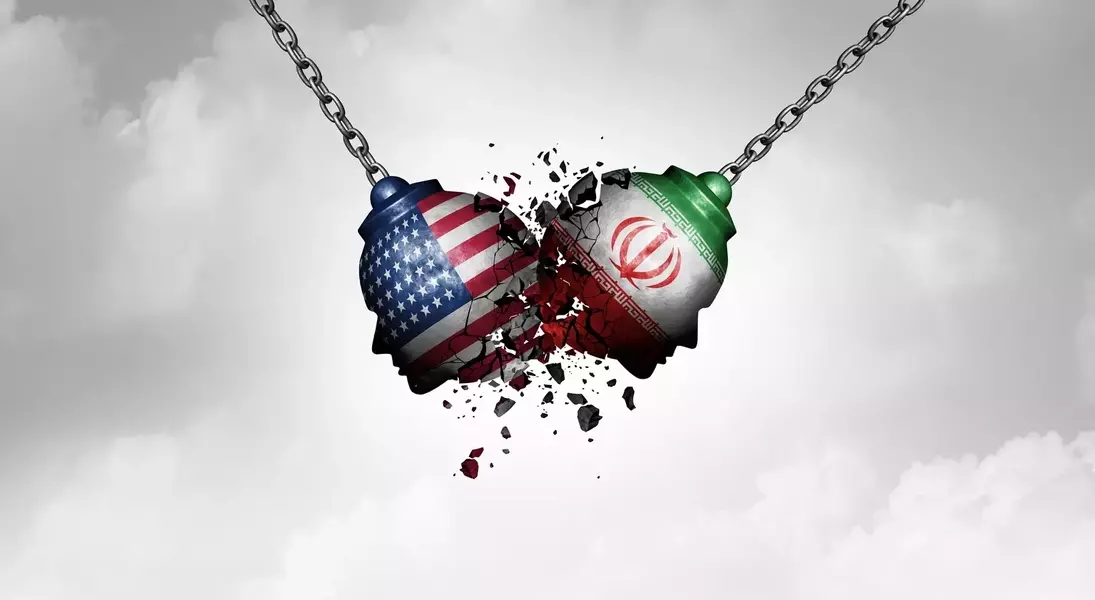
This article explores the intricate relationship between escalating geopolitical tensions and their potential ramifications for the defense sector. It delves into strategic considerations and economic impacts, offering investors a comprehensive overview of the evolving landscape.
Navigating Volatility: Understanding the Defense Sector in Times of Conflict
Understanding the Enduring Nature of the Iran Conflict
The current hostilities involving the United States, Israel, and Iran are not anticipated to be short-lived. This assessment is based on the complex geopolitical landscape and the multifaceted interests of the involved parties. A swift resolution appears unlikely, suggesting a prolonged period of instability and strategic maneuvering. Investors should consider the extended timeline of this conflict when evaluating its impact on global markets and specific industries.
Defining Success in a Protracted Engagement
For the purposes of strategic analysis, what constitutes a "victory" in the context of the Iran conflict is a crucial, yet complex, question. A clear, definitive military triumph may be elusive. Instead, success might be measured by outcomes such as a significant reduction in Iran's regional influence, the containment of its nuclear ambitions, or a shift in its internal political dynamics. Understanding these potential end-states helps in forecasting the duration and intensity of the conflict and its ripple effects.
Analyzing the Defense Sector's Response to Heightened Tensions
The intensifying conflict is expected to significantly influence global defense expenditures. Historically, periods of heightened geopolitical risk lead to increased military spending as nations seek to bolster their security and deterrent capabilities. This section will explore how the current situation could translate into a surge in demand for defense-related technologies, equipment, and services, potentially benefiting companies within the defense industry.
