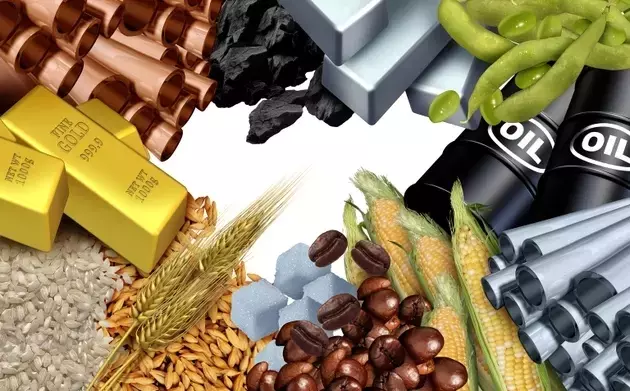
The global commodity landscape is currently characterized by a complex interplay of geopolitical tensions, supply chain dynamics, and weather patterns. Recent escalations between the US and Iran have had a surprisingly limited impact on oil prices, suggesting a market that might be underestimating the potential for prolonged disruptions. Concurrently, the agricultural sector is seeing shifts, with wheat prices experiencing a downturn amidst promising global supply outlooks and beneficial weather conditions in key growing regions. Meanwhile, the energy market faces additional uncertainty from potential Russian export restrictions on diesel, which could significantly tighten the supply of middle distillates.
Global Commodity Markets React to Geopolitical Shifts and Supply Dynamics
In a notable development over the past weekend, renewed tensions between the United States and Iran, marked by an exchange of strikes, failed to ignite a substantial surge in oil prices. Despite these significant geopolitical events, the crude oil market exhibited only a modest uptick. Analysts, including Warren Patterson and Ewa Manthey from ING Economic and Financial Analysis, suggest that the market's current optimism regarding the swift recovery of supply from the Persian Gulf region may be overly sanguine. Speculators in ICE Brent crude futures have notably reduced their net long positions by 23,790 lots, bringing total holdings to 90,338 lots, the lowest level since December 2025. This indicates a prevailing bearish sentiment among traders, even in the face of escalating supply risks.
Simultaneously, the agricultural commodity sector witnessed a decline in CBOT wheat prices last week, plummeting by over 4.5%. This downturn is primarily attributed to two factors: an improving global supply outlook and favorable weather conditions across major wheat-producing areas in the United States. Furthermore, anticipation of potentially bearish reports on acreage and stock levels from the USDA has contributed to this price depreciation. In a related vein, the middle distillate markets are bracing for potential impacts from Russia’s recent restrictions on diesel exports. Even a temporary ban from Russia, a key global supplier, could lead to a significant tightening of the diesel market, thereby sustaining elevated crack spreads.
This confluence of events underscores the delicate balance within global commodity markets. The muted oil price reaction to Middle East tensions could signal either market complacency or a belief in robust alternative supplies. However, the continuous reduction in speculative long positions suggests a deeper concern about demand or structural shifts. The volatility in wheat prices highlights the inherent sensitivities of agricultural markets to weather and geopolitical stability. Collectively, these trends paint a picture of a commodity market navigating through a period of heightened uncertainty, where localized events can have ripple effects across global supply chains and price formations.
The current state of global commodity markets serves as a stark reminder of the interconnectedness between geopolitics, economic policy, and environmental factors. The subdued reaction of oil prices to significant Middle Eastern tensions suggests that market participants may be either overly optimistic about a quick resolution or heavily focused on other demand-side narratives. This could create a dangerous complacency, as any prolonged disruption could send shockwaves through the global economy. Similarly, the volatility in wheat prices, influenced by both weather and policy, highlights the fragility of food security. For investors and policymakers alike, it is crucial to adopt a holistic view, understanding that seemingly disparate events can converge to create complex and unpredictable market dynamics. A balanced approach, focusing on risk mitigation and diversified strategies, will be essential in navigating these turbulent waters.
