



Generation Alpha, comprised of individuals born from 2013 to 2025, is rapidly emerging as a formidable force in the global consumer market. Possessing an inherent digital fluency, these young individuals wield substantial influence over family purchasing decisions, shaping trends across various sectors, from beauty to entertainment and lifestyle choices. Their impact, projected to reach an impressive $5.5 trillion in spending power by 2029, compels brands to rethink traditional marketing strategies and embrace new approaches focused on authentic engagement and co-creation.
Unlocking the Future: How Gen Alpha Redefines Consumerism and Brand Dynamics
The Rising Influence of Young Consumers on Household Spending
Families are increasingly noticing the significant sway their youngest members, Generation Alpha, hold over daily expenditures. Parents report that these children, who are digital natives, frequently introduce them to new brands and products discovered through online platforms. This influence spans a wide array of categories, including beauty, where children often demonstrate a deeper knowledge of products than their parents. This dynamic highlights a notable shift in household purchasing habits, with Gen Alpha's preferences dictating a considerable portion of discretionary spending.
The 'Mini Bosses' of Modern Consumption: Empowered by Digital Platforms
Members of Generation Alpha are often described as 'mini bosses' due to their assertive advocacy for desired products and experiences. This assertiveness is fostered by their digitally immersed lives and the influence of their millennial and Gen Z parents, who prioritize fostering self-expression. Consequently, these young consumers actively participate in decisions ranging from everyday groceries to major family vacations. Brands are recognizing this evolving power dynamic, understanding that engaging with Gen Alpha means addressing a generation that is both commercially aware and actively involved in shaping their family's consumer landscape.
The Evolution of Brand Awareness and Identity Among Gen Alpha
While the long-term consumer behavior of the eldest Gen Alphas is still taking shape, they are showing an early affinity for premium brands and luxury items, largely due to their deep immersion in the digital world. Unlike previous generations, Gen Alpha values individuality and self-expression over mere status. Brands that offer avenues for personal differentiation, particularly in areas like sportswear, resonate strongly with this cohort. The digital environment has also contributed to a 'flattening' of age-appropriate culture, exposing young children to content and brands previously reserved for older audiences, thereby accelerating their brand awareness.
Navigating Screen Time: Parental Strategies and Digital Safeguards
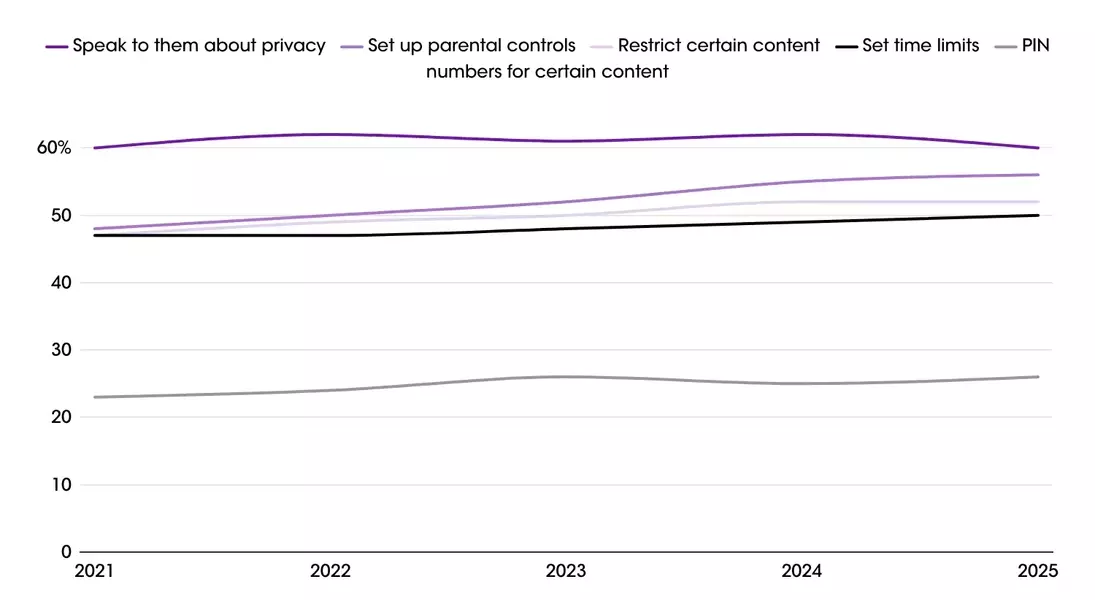
Recognizing the pervasive impact of digital content, parents of Generation Alpha are implementing stricter controls on screen time. Many have personally experienced the downsides of excessive social media use and are proactively guiding their children towards healthier digital habits. This includes limiting access to devices, favoring shared viewing experiences on larger screens, and encouraging outdoor activities. Simultaneously, governments and platforms are also responding, with some countries enacting bans on social media for younger users and platforms modifying features to enhance child safety. This collective effort aims to provide a more protected digital environment for Gen Alpha.
The Dual Appeal: Physical Experiences and Digital Creativity
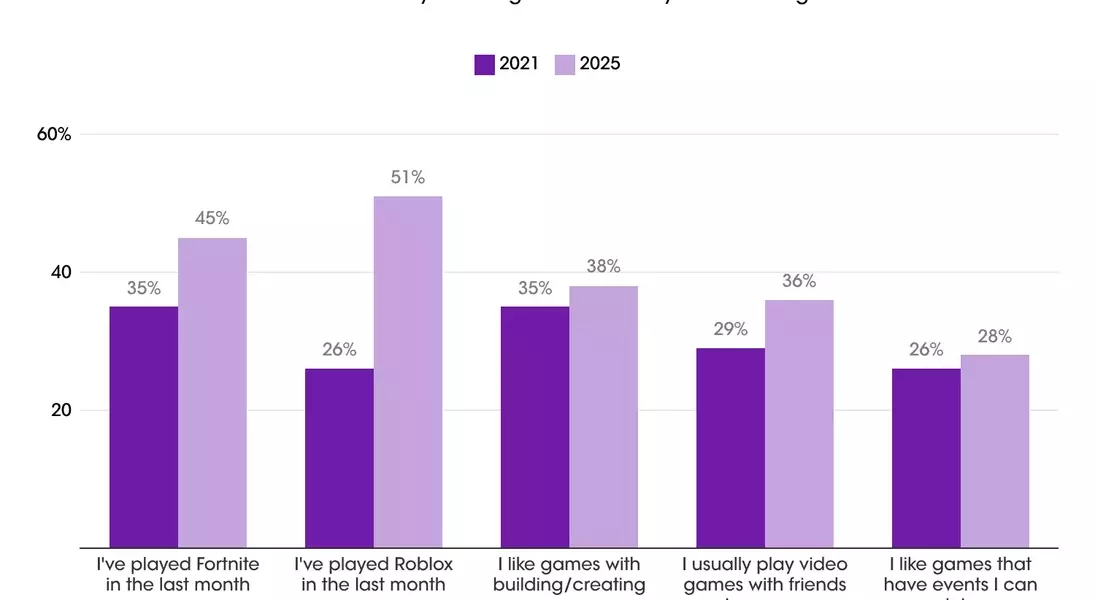
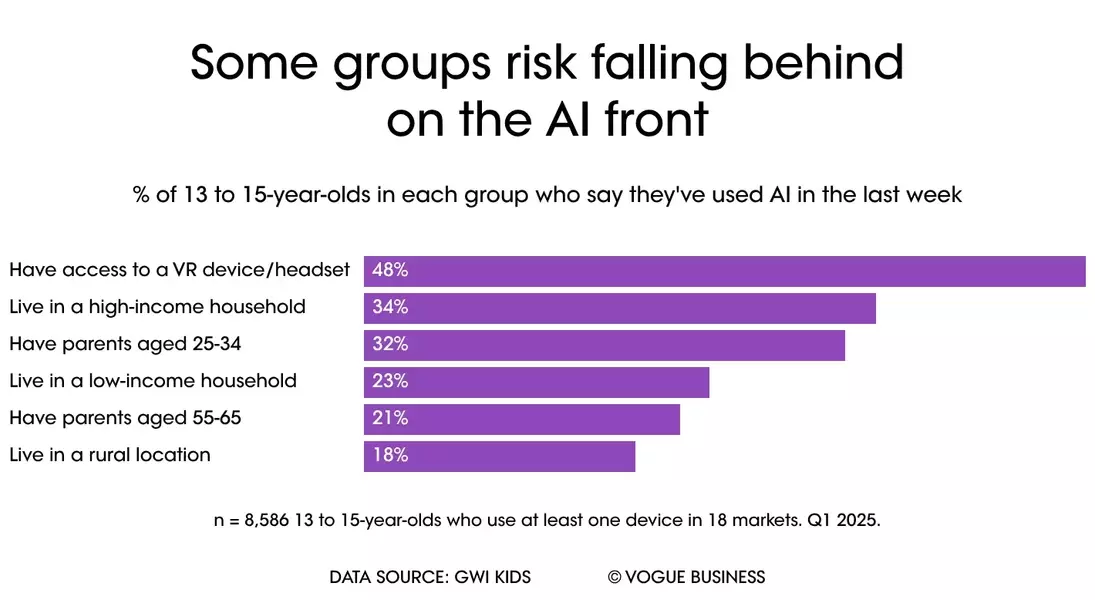
Despite their digital fluency, Generation Alpha also demonstrates a strong inclination towards tangible goods and real-world experiences. This contrasts with the pervasive investment by brands in virtual platforms, suggesting a need for a balanced approach that integrates both digital and physical engagement. Furthermore, Gen Alphas are active creators within digital spaces, leveraging tools like Canva and AI platforms for artistic expression. This creative drive, coupled with a preference for interactive gaming and in-person social experiences, highlights a generation that seeks both digital innovation and genuine, tactile interactions.
The Booming Beauty Market: Early Engagement and Conscious Consumption
The beauty industry has become a significant arena for Generation Alpha's influence, with young consumers actively shaping product trends and parental purchasing decisions. Driven by viral content on TikTok and YouTube, there's a noticeable surge in Gen Alpha engaging with beauty brands. However, this early exposure also necessitates brands to be transparent about product suitability, as young consumers are becoming increasingly discerning about ingredients and potential skin damage. The visual appeal of product packaging and the sensory experience of in-store shopping are also key drivers for this demographic.
The Rise of Secondhand and Niche Brands: Value, Individuality, and Storytelling
Growing up in an era where secondhand consumption is commonplace, Generation Alpha is developing a unique appreciation for value and sustainability. Many children are familiar with resale platforms and understand the economics of buying and selling pre-owned items. This exposure is shaping a generation that seeks individuality and compelling narratives behind their purchases, often gravitating towards vintage items and smaller, community-focused streetwear brands. This trend suggests that authenticity, unique storytelling, and a connection to a brand's origins will be crucial for capturing the loyalty of this generation.
Winning Gen Alpha: Engaging Active Participants in a Co-Created World
To successfully connect with Generation Alpha, brands must move beyond passive marketing and embrace strategies that foster active participation and co-creation. This generation, raised by value-driven and digitally savvy parents, thrives on interactive experiences, both online and offline. Brands that integrate themselves into the digital worlds Gen Alpha builds, whether through gaming platforms like Roblox or creative tools, and offer authentic real-world engagement, will be best positioned to cultivate lasting relationships with these influential young consumers as they mature into significant economic players.
