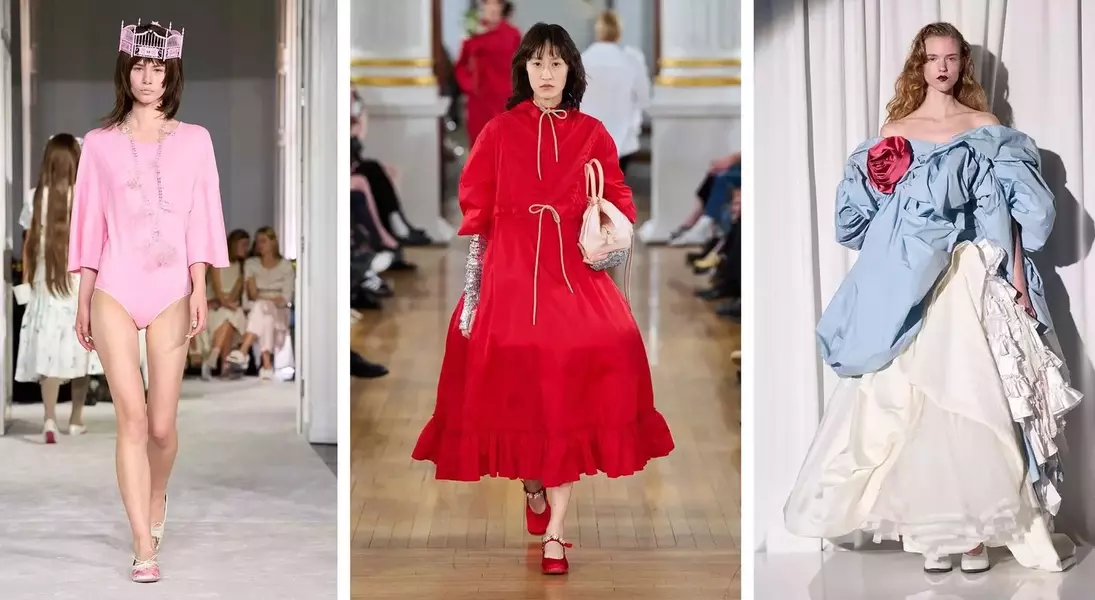
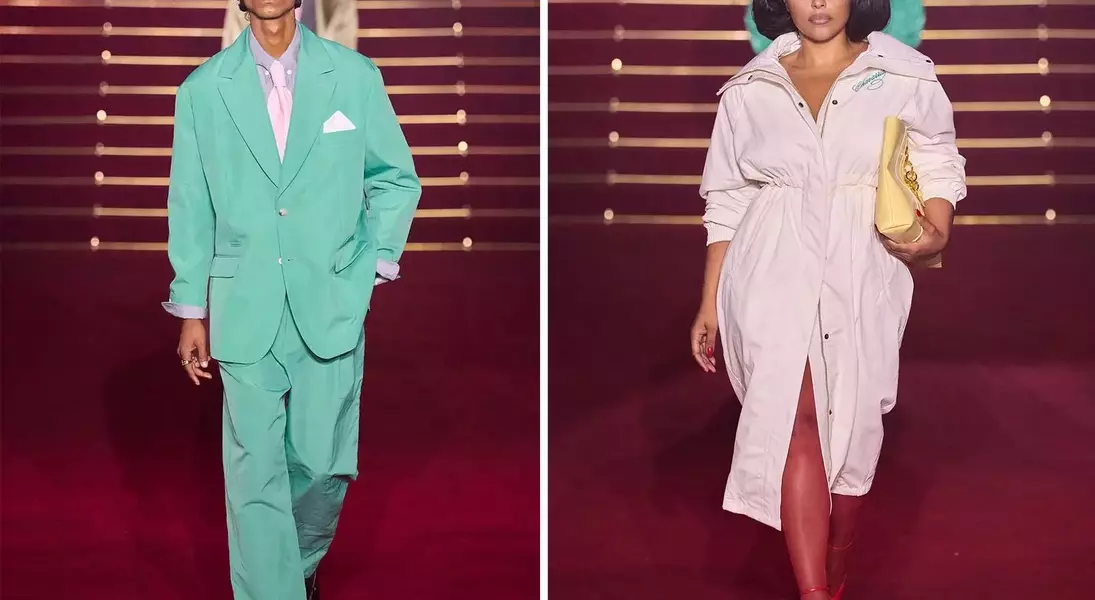
A dynamic transformation is underway in the fashion industry, primarily driven by the preferences of Generation Z and the emerging influence of Generation Alpha. This shift marks a notable departure from the long-standing dominance of muted and neutral color schemes, embracing instead a vibrant spectrum of highly saturated hues and unexpected color pairings. This generational preference for expressive and individualistic style is prompting a reevaluation of traditional merchandising and buying practices across high-street and luxury sectors.
Abigale Masters, a London-based content creator, exemplifies this burgeoning trend. She proudly declares her minimal ownership of black clothing, preferring a wardrobe brimming with technicolor pieces from designers like Ashley Williams and Loewe. Masters's style, characterized by its playful and often clashing colors, reflects a broader sentiment among younger consumers who view fashion as a powerful tool for self-expression. Her recent acquisition of a vintage fuchsia Prada dress from the Fall/Winter 2018 collection, chosen to complement her hot pink hair, highlights a preference for bold statements that challenge conventional notions of taste.
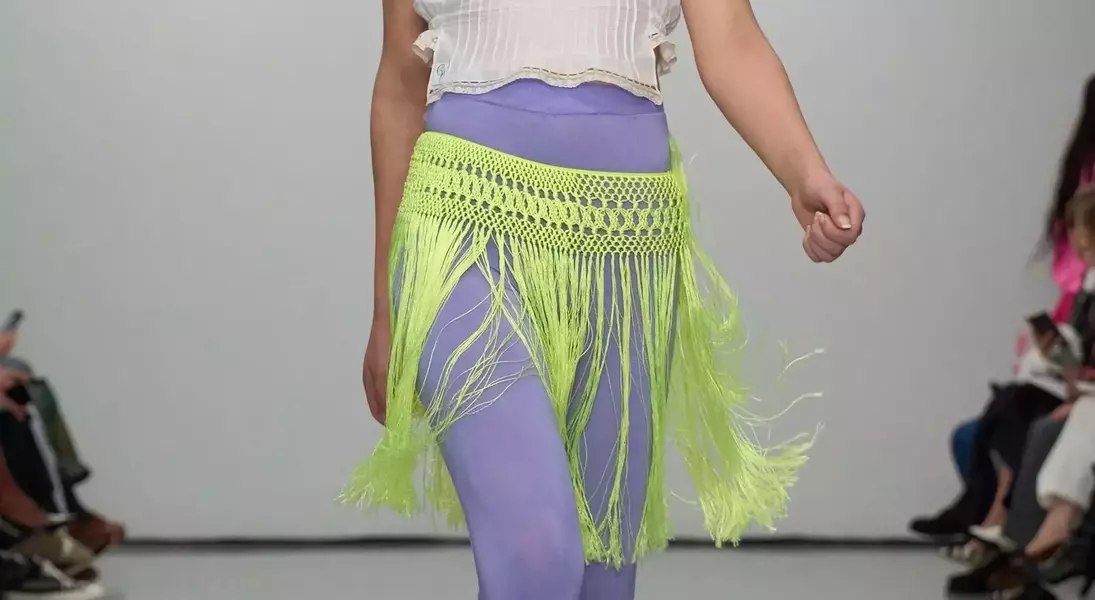
This evolving consumer behavior has not gone unnoticed by the retail sector. Data from EDITED, a retail intelligence firm, indicates a decline in black knitwear arrivals at major UK retailers like Zara and H&M in the final quarter of 2025. Concurrently, H&M, a brand popular with Gen Z, significantly increased its offerings in red and pink. Krista Corrigan, a senior retail analyst at EDITED, confirms this trend, predicting an influx of brighter colors in 2026 collections, with luxury labels like Valentino and Miu Miu already showcasing vibrant shades such as cherry reds and chartreuse greens.
Retail consultant Robert Burke notes that Gen Z’s fashion choices are heavily influenced by digital platforms like TikTok and Instagram, fostering a sense of freedom and independence in their sartorial decisions. This generation resists conforming to prescribed trends, opting instead for looks that allow them to stand out. Even Gen Alpha, still largely influenced by parents, shows signs of an even more adventurous approach to dressing, often deliberately eschewing conventional aesthetics.
The economic power of Gen Z underscores the importance of this shift for brands. Euromonitor reports that Gen Z constitutes nearly a quarter of the global population, with significant income growth projected. This demographic, especially in Asia-Pacific and North America, is set to command substantial purchasing power, influencing not only their peers but also older millennials to incorporate more color into their wardrobes. For brands, this means a crucial need to adapt their merchandising and buying strategies to move beyond the reliance on traditional black and neutral stock-keeping units.
The concept of "loud luxury" is gaining traction, combining bold colors with high-quality craftsmanship and distinctive silhouettes. Sara Camposarcone, a content creator, highlights designers like Ashley Williams and Simone Rocha who are embracing this aesthetic, creating pieces with funky prints and exaggerated shapes. This inclination towards unique and flamboyant styles has also fueled the demand for luxury secondhand and vintage items, as younger consumers seek individuality that contemporary retail often fails to provide, especially during periods dominated by "quiet luxury" trends.
The cultural shift extends beyond mere color preference. It signifies a rejection of the understated elegance favored by previous generations. Gen Z, as digital natives, seamlessly integrate their online and offline identities, prioritizing self-expression and creative freedom over traditional status symbols or subtle brand signaling. Pantone Color Institute's executive director, Leatrice Eiseman, emphasizes that bold colors serve as a powerful medium for expressing individuality, noting the impact of complementary color pairings like purple and yellow in creating visually striking statements.
Looking ahead, the fashion landscape will likely continue to evolve under the influence of these younger generations. Nostalgia for past color trends, such as the millennial pink and baby shower blue of 2016, may resurface, while Gen Alpha's preferences could be shaped by the palettes found in digital worlds like Fortnite and Minecraft, leading to even more visually audacious and unconventional styles. For luxury brands, understanding and adapting to this dynamic and expressive consumer base is paramount, requiring agility and a willingness to embrace a more eclectic and vibrant approach to design and marketing.
