In recent days, the United States has seen a substantial increase in gasoline prices. This surge has occurred despite a recent stabilization in crude oil markets, revealing a lag effect where pump prices continue to climb due to earlier commodity price increases. The primary driver behind this phenomenon is mounting apprehension over global supply, exacerbated by international conflicts. Consumers nationwide are feeling the pinch at the pump, with the average cost per gallon surpassing $3.50. However, the impact is unevenly distributed, with wide variations in prices across different states, influenced by a combination of taxation, infrastructure, and regional regulations.
National Fuel Costs Escalate Amidst Geopolitical Unrest
As of March 10, the national average price for regular gasoline has reached $3.54 per gallon, marking a 6-cent increase overnight and a cumulative jump of 56 cents since late February. This rise follows a period where prices had remained below $3 for 13 consecutive weeks, the longest such duration since 2021. The current upward trend in fuel costs is largely attributed to anxieties surrounding supply disruptions in the wake of the ongoing Iran conflict. Historically, there's a delay between fluctuations in crude oil prices and their reflection at gasoline stations. Consequently, even with a recent deceleration in oil's upward trajectory, pump prices are still reacting to previous spikes in crude values, which saw sustained increases for over a week.
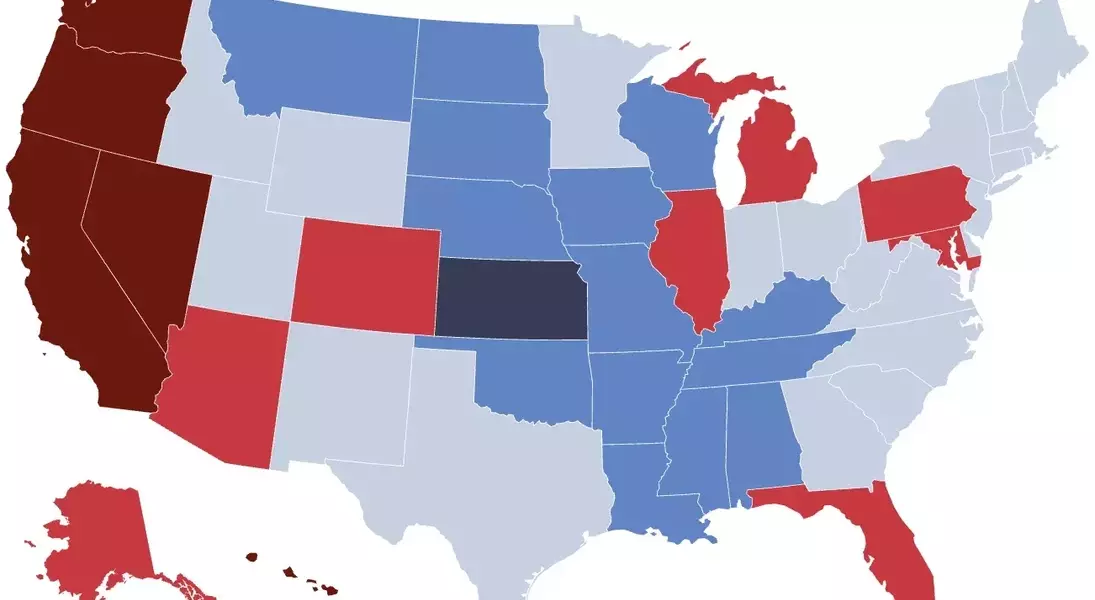
The cost of gasoline exhibits considerable regional differences across the nation. Kansas currently boasts the lowest average price, remaining under $3 per gallon, a stark contrast to other states where prices have escalated. Conversely, states like Washington, Hawaii, Nevada, Oregon, and especially California, are experiencing averages well over $4 per gallon, with California's price soaring to an average of $5.29. This creates a significant $2.33 disparity between the cheapest and most expensive fuel markets. These variations are not arbitrary; they are deeply rooted in state-specific fuel taxes, proximity to refineries and pipeline networks, and environmental regulations. For example, California's requirement for a specialized, cleaner-burning gasoline blend, produced by a limited number of refineries, consistently contributes to its elevated prices. Such entrenched cost factors mean that even if crude oil prices recede, the fundamental differences in state-level costs are likely to persist, maintaining broad price discrepancies for consumers.
This ongoing escalation in gasoline prices presents a multifaceted challenge for American consumers and the broader economy. The ripple effects of higher fuel costs can be felt across various sectors, from transportation and logistics to consumer spending and inflation. For individuals, this translates into increased household budgets, potentially limiting discretionary spending and impacting overall economic vitality. Businesses reliant on fuel, such as trucking companies and airlines, face heightened operational expenses, which may then be passed on to consumers through higher prices for goods and services. Moreover, the significant regional disparities highlight the uneven economic burdens faced by different communities, with residents in states like California disproportionately affected. This situation underscores the delicate balance between global geopolitical stability, energy policies, and their direct consequences on everyday economic realities. It serves as a potent reminder of how interconnected global events are with local economies, and how vulnerable energy markets are to international tensions. Moving forward, policymakers and consumers alike will need to grapple with these complexities, seeking strategies to mitigate the impact of volatile energy prices and foster greater economic resilience.
