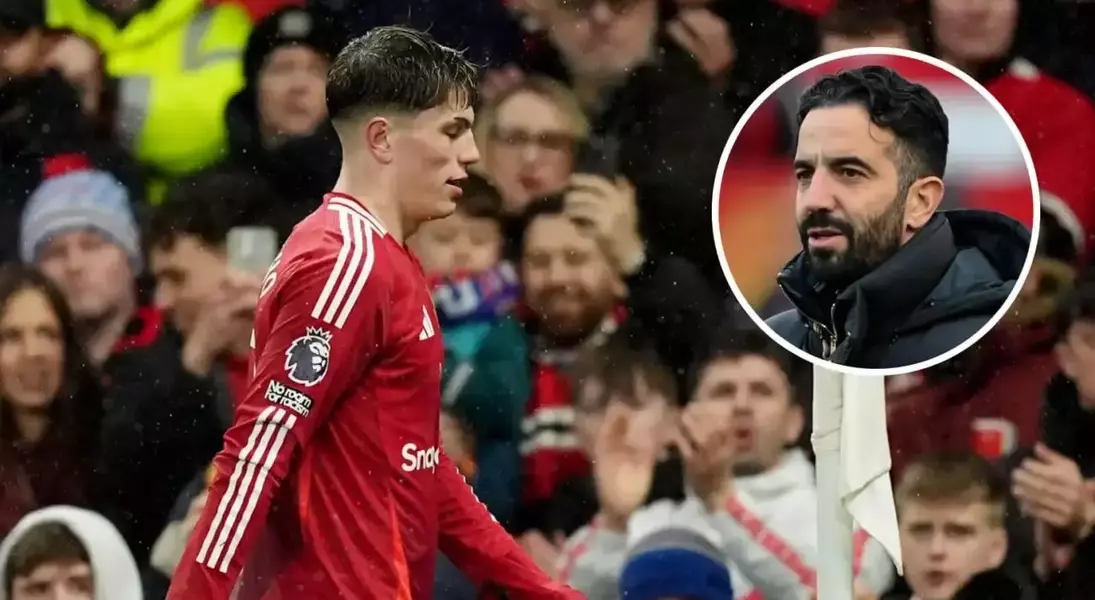
This detailed report examines the significant transfer of young talent Alejandro Garnacho from Manchester United to Chelsea for £40 million, a move that has sent ripples through the Premier League and ignited debates about Manchester United's management and player development strategies under Ruben Amorim. It delves into the underlying tensions that led to Garnacho's departure, despite his strong on-field contributions, and critically assesses the financial implications and potential future impact for both clubs. The narrative highlights a period of profound uncertainty for Manchester United, as it grapples with key player exits and questions surrounding its leadership.
The Tumultuous Transfer of Garnacho and Manchester United's Shifting Fortunes
In a significant football development, Alejandro Garnacho, the exceptionally talented 21-year-old forward, officially completed his £40 million transfer from Manchester United to Chelsea. This high-profile move, finalized in the spring of 2025, comes a mere three months after United's manager, Ruben Amorim, controversially suggested that Garnacho seek opportunities elsewhere—a pronouncement made strikingly in front of his teammates. The negotiation process saw United initially demanding £50 million for their academy product, with Chelsea's opening offer at £25 million. Ultimately, a £40 million fixed fee was agreed upon, sweetened by a 10 percent sell-on clause, which could prove financially advantageous for Manchester United should Garnacho's value continue to skyrocket at Stamford Bridge.
Remarkably, this transaction represents the largest sale of a Manchester United academy graduate in the club's illustrious history, placing it as the fourth-highest overall transfer fee received, trailing only the colossal sales of Cristiano Ronaldo, Romelu Lukaku, and Angel Di Maria. This staggering valuation, however, still feels somewhat understated given Garnacho's exceptional potential and his commendable performance in the previous season, where he contributed ten goals and ten assists across various competitions. Such output was achieved despite a challenging relationship with manager Amorim, who, according to sources, appeared to sideline the young star. Garnacho's extensive 58 appearances for United were largely necessitated by injuries to key players like Mason Mount, Joshua Zirkzee, and Amad Diallo, as well as the loan departures of Marcus Rashford and Antony in January, which left Amorim with limited alternatives.
The tension between Garnacho and Amorim reportedly reached a boiling point during the Europa League final, where Garnacho played a mere 19 minutes in a disheartening defeat to Tottenham, despite his pivotal role in guiding United to the final stages of the competition. His subsequent public condemnation of the team's "sh*t season" and a summer display of defiance—including donning a rival team's shirt and expressing a preference not to play under Amorim again—signaled an irreparable rift. This saga unfolds against a backdrop of increasing pressure on Amorim, whose tenure has been marred by a perceived decline in the team's performance, culminating in a recent, widely criticized defeat to League Two side Grimsby Town, which has intensified calls for his dismissal. The departure of Garnacho, alongside the anticipated exits of other key young talents like Rasmus Hojlund and Kobbie Mainoo, who were previously deemed "untouchable" by the club, casts a long shadow over Manchester United's immediate future and prompts a critical re-evaluation of the strategic direction taken by its current management.
A New Chapter: Reflection on Managerial Decisions and Youth Development
The transfer of Alejandro Garnacho is more than just a player moving clubs; it's a profound statement on managerial philosophy and its potential ripple effects. From a fan's perspective, the initial relief at parting ways with a 'disruptive' talent might quickly turn into regret, especially if Amorim's struggles persist and Garnacho flourishes at Chelsea. This situation prompts a vital question: Was Manchester United's leadership truly thinking long-term, or were they too quick to discard a player with immense potential due to interpersonal conflicts? The club's handling of its academy graduates, particularly those identified as future stars, will inevitably come under intense scrutiny. The success or failure of players like Garnacho at their new homes will serve as a stark reminder of the consequences of internal strife and strategic misjudgments. Ultimately, this episode offers a compelling lesson for all sporting organizations: nurturing talent requires not only technical development but also strong, empathetic leadership that can manage personalities and integrate diverse talents into a cohesive, winning unit.
