The recent trade involving Darius Garland, moving him from the Cleveland Cavaliers to the Los Angeles Clippers in exchange for James Harden, has sparked considerable discussion. While the Cavaliers' primary motivation was to enhance their immediate championship prospects, a deeper understanding reveals that Garland's persistent struggle with a severe toe injury was a crucial, underlying factor in this high-profile transaction. This recurring ailment, which notably hindered his performance and required surgical intervention, ultimately shaped the Cavaliers' decision-making and impacted his new team's strategic outlook for his return.
Details of the Trade and Garland's Injury Saga
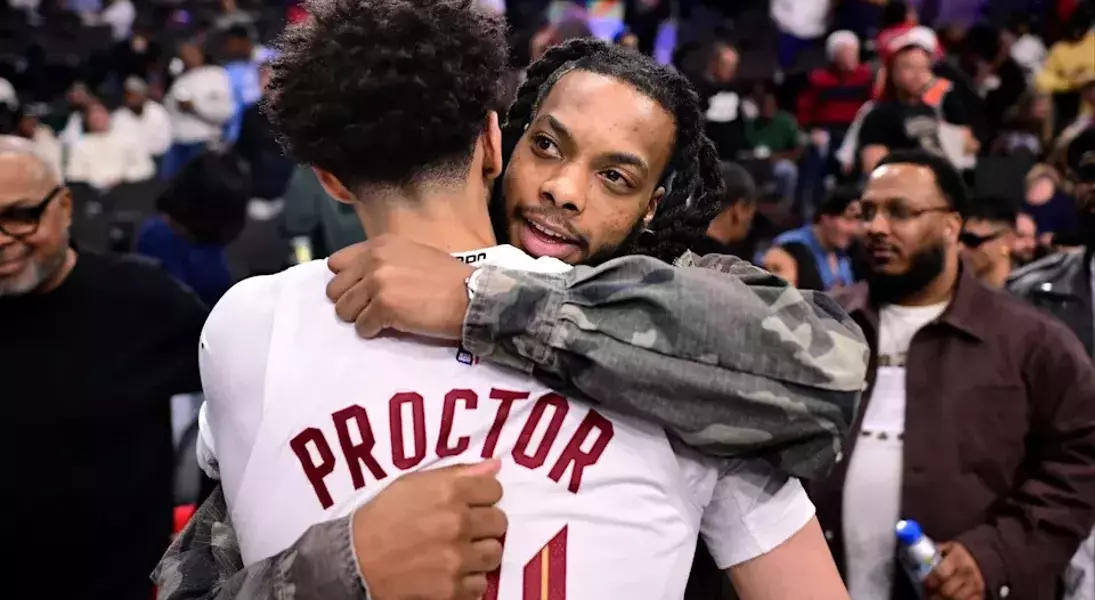
On February 4, 2026, in the vibrant city of Inglewood, California, Darius Garland, now a member of the Los Angeles Clippers, was seen greeting his former Cleveland Cavaliers teammates at the Intuit Dome. This moment underscored a significant shift in the NBA landscape, a trade born from both strategic team-building and an athlete's battle with injury.
Garland's last appearance for the Cavaliers was on January 14, when he sustained a right great toe injury during a victory against the Philadelphia 76ers. The team initially projected a re-evaluation within seven to ten days. However, this injury was distinct from the more severe left great toe issue that had plagued him at the close of the previous season, necessitating summer surgery and sidelining him for several crucial playoff games. His early return this season saw him struggling to regain his characteristic agility and speed, a fact he openly acknowledged.
According to Law Murray of The Athletic, the surgically repaired left foot toe continues to keep Garland out indefinitely, despite the right foot toe sprain having healed. Lawrence Frank, the Clippers' President of Basketball Operations, affirmed a cautious and comprehensive approach to Garland's recovery. He stated that the team is committed to a thorough rehabilitation process, emphasizing that a short-term investment in his health will yield long-term benefits. Frank highlighted Garland's young age, 26, expressing confidence that this careful management will ensure a prolonged, high-level career. This commitment to Garland's full recovery, while delaying his on-court debut for the Clippers, is seen as a strategic move to secure his future contributions to the team.
As further details emerge, it becomes increasingly evident that the severity and persistence of Garland’s left toe injury were pivotal in motivating the Cavaliers to execute the trade, even requiring them to include a second-round draft pick. For the Cavaliers, the acquisition of James Harden has, thus far, been met with favorable outcomes, as Harden's performance has been exceptional. Nevertheless, a sense of disappointment lingers regarding Garland's health, particularly his inability to be fully fit during the previous postseason and his ongoing recovery challenges.
Reflections on Athlete Health and Team Strategy
This trade offers a poignant reminder of the intricate balance between athlete well-being and the relentless pursuit of team success in professional sports. Garland's protracted struggle with his toe injury highlights the profound impact that physical ailments can have on an athlete's career trajectory and a team's strategic decisions. It underscores the difficult choices organizations face when balancing immediate competitive aspirations with the long-term health and potential of their players. Furthermore, the Clippers' transparent and patient approach to Garland's recovery serves as a commendable example of prioritizing an athlete's holistic well-being, recognizing that a fully rehabilitated player offers far greater value than one rushed back to the court. This scenario prompts a broader reflection on the increasing emphasis placed on sports medicine and rehabilitation in preserving athletic careers and ensuring sustainable team performance.
