
Ganni, the renowned Danish fashion label, is at a pivotal moment following the recent resignation of its chief executive, Laura du Rusquec. Her departure after a two-year tenure has cast a spotlight on the brand's ambitious 'progressive luxury' strategy, initiated during her leadership. This strategic pivot, aimed at elevating Ganni's market position, has sparked considerable debate and uncertainty regarding its impact on the brand's identity, customer base, and overall market trajectory. The transition comes amidst a shifting consumer landscape, where value and authenticity are increasingly prioritized, and poses critical questions about the viability of such an upward move for a brand historically celebrated for its accessible yet distinctive aesthetic.
Laura du Rusquec, who previously served as deputy CEO at Balenciaga, took the helm at Ganni with a clear mandate to steer the brand towards a more premium segment. This decision followed a period of rapid expansion for Ganni, which had successfully cultivated a devoted following with its unique blend of playful designs, commitment to sustainability, and inclusive ethos. Du Rusquec's vision, outlined shortly after her appointment, emphasized an evolution towards 'progressive luxury,' characterized by enhanced product quality, innovative materials, and a strengthened sense of community and values. However, the exact timing and reasons for her unannounced exit, coupled with the immediate appointment of Hans Hoegstedt as interim CEO, have left industry observers and consumers alike pondering the long-term implications for Ganni's market standing.
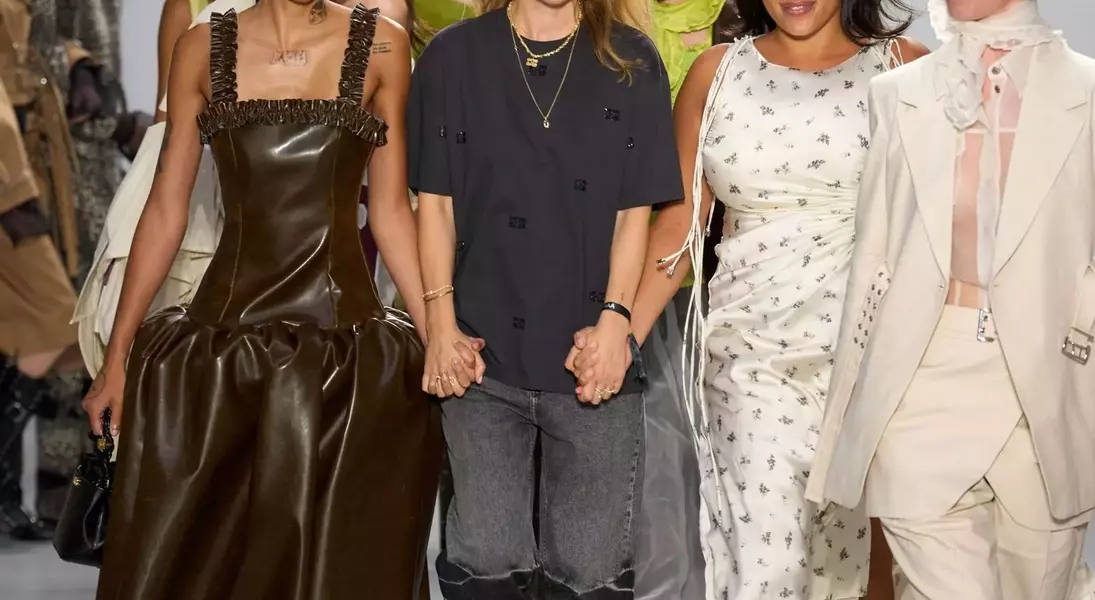
The shift towards a more elevated positioning under du Rusquec's leadership manifested in several key areas. Notably, Ganni relocated its fashion week presentations from Copenhagen to Paris in September 2024, a move often perceived as a significant step up in the fashion hierarchy. This decision, however, placed Ganni in direct competition with established luxury houses, raising concerns about its visibility and resonance amidst a crowded schedule. Furthermore, the brand's pricing strategy underwent a noticeable change, with entry-level items seeing price increases and a broader range of products introduced at higher price points. While this was intended to align with the 'progressive luxury' vision, it inadvertently alienated some long-standing customers who valued Ganni's previous accessibility.
Consumer feedback, particularly from millennials and Gen Z, indicates a growing sensitivity to price and value, challenging the efficacy of Ganni's upward shift. Many customers, who once embraced the brand for its distinctive yet affordable offerings, now express skepticism about the perceived value at the new price points. The brand's traditional customer base, often referred to as the 'Ganni girl,' now faces a cost of living crunch, making them less inclined to invest in higher-priced items. This demographic's evolving preferences for timeless, less trend-driven pieces, coupled with the rise of more affordable yet stylish competitors, further complicates Ganni's position in the market. The brand's workforce has also seen a reduction during this period, despite an increase in stockists and stores, hinting at internal adjustments amidst strategic recalibration.
The strategic move to elevate Ganni's brand image, while aiming for growth and increased prestige, appears to have inadvertently created a disconnect with its loyal customer base and altered its unique market niche. The brand's historical success was rooted in its ability to offer contemporary, well-designed fashion at accessible prices, embodying a 'cultural ethos' deeply ingrained in Scandinavian design principles. The recent shift, however, has placed Ganni in a more ambiguous middle ground, losing some of its original appeal without fully establishing itself within the luxury sphere. The company's recent survey to customers, inquiring about their changing shopping habits and perceptions of the brand's values, suggests an acknowledgment of this evolving sentiment and a willingness to listen to its audience.
Looking ahead, Ganni's future success will likely hinge on its ability to reconnect with its core customer and clearly define its identity in a competitive and rapidly changing market. A potential return to Copenhagen Fashion Week, as suggested by industry experts, could serve as a powerful statement, re-anchoring the brand within the cultural context that initially fostered its success. In an era where consumers are increasingly seeking authenticity and value, Ganni's path forward requires a careful balance between aspirational branding and maintaining the accessible, community-driven spirit that originally endeared it to a global audience. Rebuilding trust and reinforcing a clear brand identity will be crucial for navigating the complexities of the contemporary fashion landscape.
