A new report from Bain & Company sheds light on current dynamics within the video game sector, presenting a somewhat concerning outlook. A notable finding is the growing acceptance of generative artificial intelligence among players. Specifically, 14% of respondents expressed significantly greater comfort with AI's role in gaming, 28% reported somewhat increased comfort, and 44% noted no change. Conversely, 8% became somewhat less comfortable, and 6% significantly less. Younger players, particularly teenagers, showed the highest comfort levels, with 23% becoming significantly more at ease with AI in games. Older gamers, however, exhibited the opposite trend, with comfort decreasing significantly by 15% and somewhat by 10%. It's worth noting that the survey didn't explicitly ask about general support for AI in games, meaning a respondent could report increased comfort even if they still held negative views, simply feeling slightly less averse.
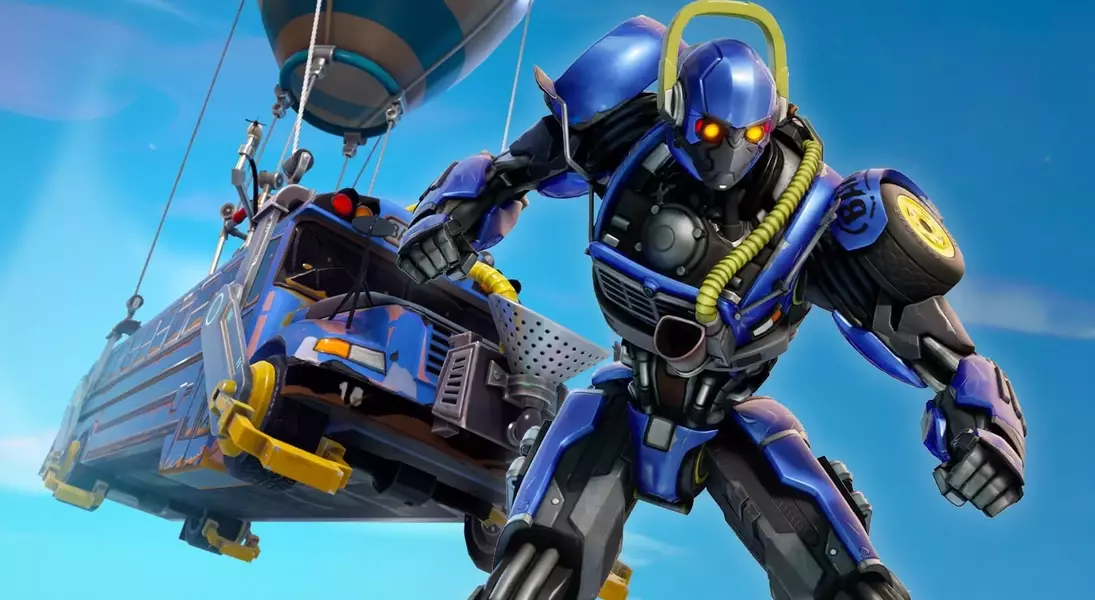
The integration of AI into game development remains a contentious topic, evidenced by several recent incidents. Games like Rideshare “Stimulator” have faced considerable backlash for undisclosed AI usage. Similarly, Expedition 33: Clair Obscur had an award rescinded at the Indie Game Awards due to its reliance on AI technology. The AI-generated music video for Stellar Blade: Blood Rain also drew widespread criticism, and players voiced disapproval over Fortnite's decision to incorporate poor-quality AI voice acting. Beyond AI, the survey indicated that the majority of players prefer to stick with established game types rather than exploring new ones. When asked about their interest in trying new video games over the next 12 months, two-thirds of respondents expressed a desire for more of the same. This included 33% who wanted games similar to their current favorites, 19% who sought franchise sequels, and 13% who intended to focus on existing titles. Only 21% expressed interest in something different, while 14% were undecided.
Despite this inclination towards familiarity, novel and original games continue to achieve commercial success. For example, Meccha Chameleon stands as the year's top-selling game so far, despite not being part of an existing franchise. Many of last year’s successful titles, such as Peak, Arc Raiders, and Split Fiction, were also new series. While it’s true that many best-sellers are often in popular genres like shooters (e.g., Battlefield 6) or sports games, the continued performance of new franchises clearly demonstrates that there is a receptive audience for fresh gaming experiences.
The gaming industry is in a fascinating period of transformation, balancing innovation with player preferences. While technological advancements like AI offer new possibilities, their integration must be carefully managed to align with community expectations and artistic integrity. The sustained success of new intellectual properties alongside established franchises shows a vibrant market that values both tradition and novelty, underscoring the importance of creativity and quality in game development.
