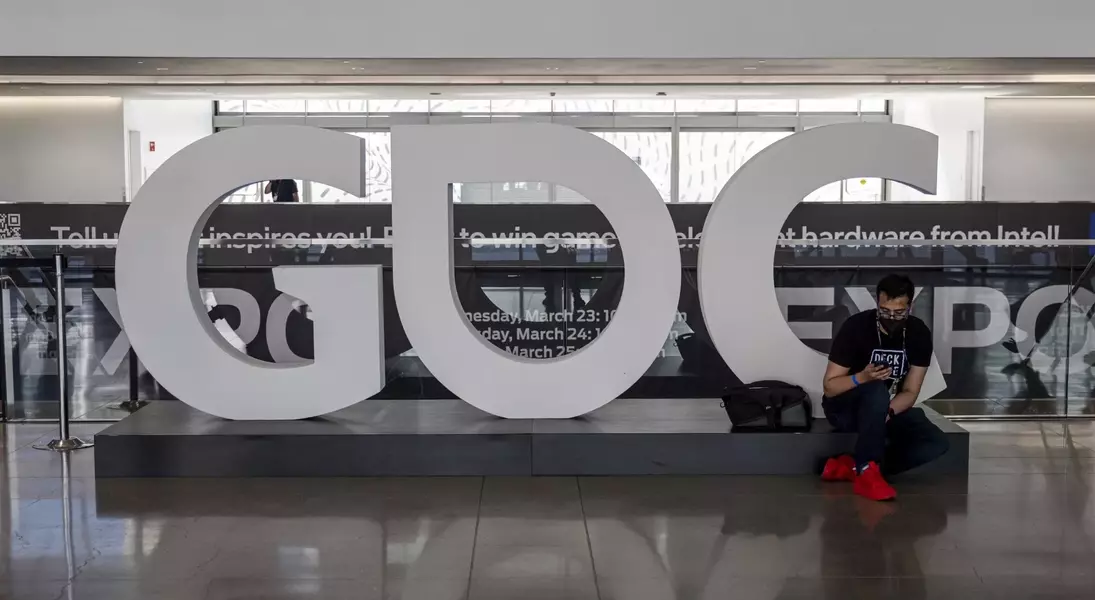
A new report from the Game Developers Conference (GDC) paints a stark picture of the current employment landscape within the gaming industry. The findings, derived from a self-reported survey of over 2,300 industry professionals, indicate a widespread issue of job insecurity, with a substantial number of workers experiencing recent layoffs.
Gaming Industry Faces Significant Job Reductions
The GDC's 2026 State of the Game Industry Report, based on a comprehensive survey of gaming professionals, has brought to light a period of considerable instability for the sector's workforce. The survey, which gathered data from over 2,300 individuals, revealed that a striking 28% of games industry workers reported being laid off in the past two years. This figure escalates to 33% when focusing solely on professionals in the United States, underscoring a particularly challenging environment for American game developers.
Digging deeper into the data, the report indicates that 17% of respondents had experienced job loss within the last 12 months alone. Furthermore, half of all surveyed professionals confirmed that their most recent or current employer had implemented layoffs during the past year. These statistics collectively emphasize the persistent and widespread nature of job cuts across the industry. Major companies, including Microsoft and Ubisoft, have been prominent in these layoffs, with Microsoft downsizing its gaming division despite reporting record revenues. Ubisoft recently announced significant restructuring and studio closures, adding to the instability.
The repercussions of these layoffs extend beyond immediate job loss, with many former employees struggling to re-enter the workforce. Nearly half (48%) of those laid off reported an inability to secure new employment. For individuals who lost their jobs one to two years ago, 36% are still actively seeking new positions within the gaming sector. Industry experts and affected workers point to various factors contributing to this crisis, including the belief that many companies failed to anticipate the end of the 'COVID-era boom' and engaged in aggressive acquisition strategies without sustainable growth plans. The increasing focus on rapid returns by investors and the rise of AI adoption are also cited as significant pressures on job security.
This challenging climate has also deeply impacted aspiring game developers. The survey of 50 students revealed that 74% are apprehensive about their future career prospects, fearing competition from more experienced laid-off professionals and the potential impact of artificial intelligence on job availability. Similarly, 87% of educators within the field either foresee their students struggling to find employment post-graduation or have already witnessed these difficulties materialize. One student respondent succinctly summarized the prevailing sentiment: "There aren't any jobs. Everyone's getting fired. It's messed up."
The findings from the GDC report underscore a critical period for the gaming industry, marked by significant job displacement and an uncertain future for both current professionals and new talent. Addressing these systemic issues will require a concerted effort from industry leaders to foster sustainable growth, adapt to technological advancements responsibly, and prioritize the well-being of their workforce.
