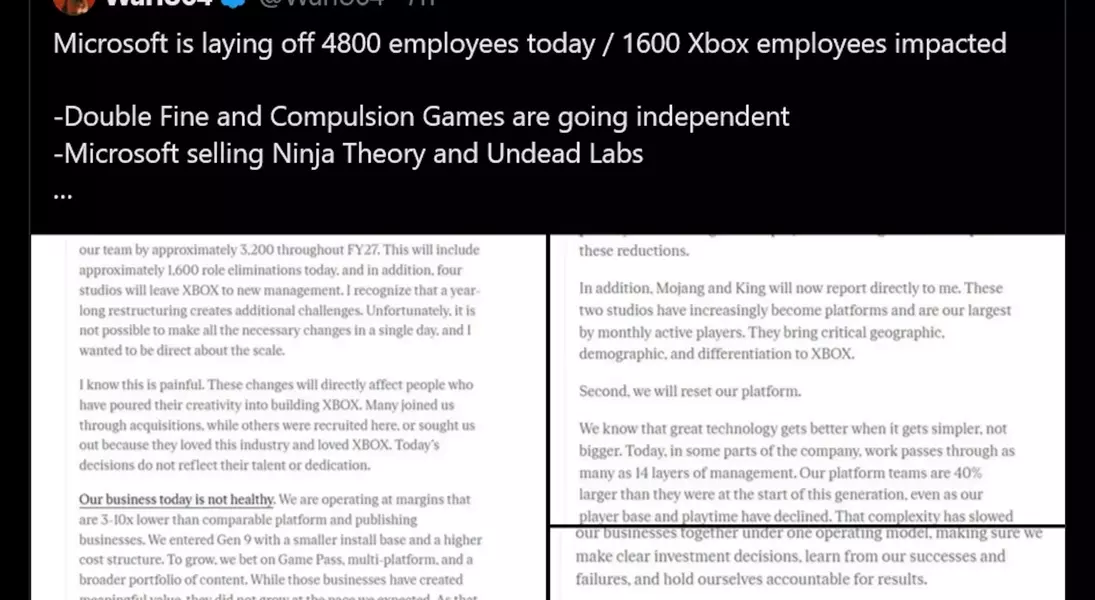

The recent announcement of extensive job cuts at Xbox has sent shockwaves throughout the gaming community, as approximately 3,200 individuals are set to lose their positions, coupled with the dissolution or transfer of four game development studios. This substantial workforce reduction at Microsoft's gaming division has elicited a range of powerful reactions, from deep sadness and anger to a sense of unease about the broader future of the video game industry. While a minority view these changes as a necessary correction, the overwhelming sentiment reflects a profound disappointment and concern for the affected talent.
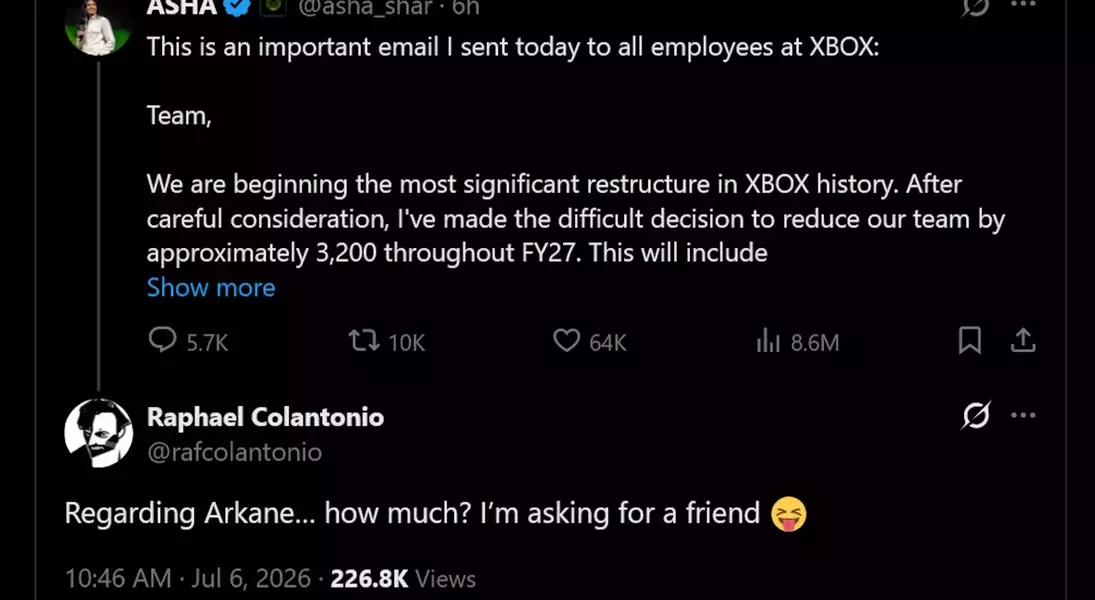
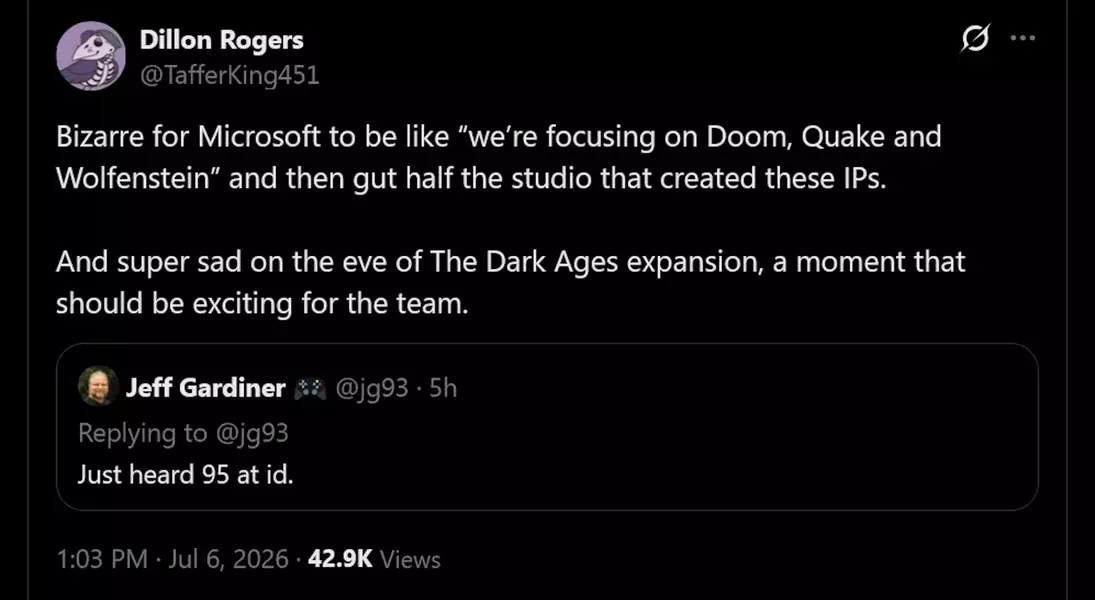
The impact of these layoffs is deeply personal for many, exemplified by a Bethesda Game Studios employee who was unexpectedly let go despite recent assurances of a pay raise, underscoring the sudden and often unpredictable nature of such corporate decisions. Industry veterans and prominent figures have voiced their apprehension; Arkane founder Raphael Colantonio reacted with pointed humor, while Obsidian's former art director, Daniel Alpert, who dedicated over two decades to the studio, observed that the industry is at a critical juncture, facing persistent challenges that could lead to a significant loss of creative talent. Furthermore, the decision to pre-announce future layoffs, as highlighted by a former Bungie designer, creates a climate of sustained anxiety and uncertainty for remaining employees, raising doubts about the feasibility of fostering creativity under such duress.
Many observers have drawn a direct link between these widespread job losses and Microsoft's aggressive investment in artificial intelligence, suggesting a corporate prioritization that seemingly undervalues human capital in game development. This perspective is reinforced by critics who argue that vast sums are being channeled into AI initiatives that have yet to demonstrate tangible benefits, while human-centric roles are being eliminated. This strategic shift, perceived by some as dystopian, implies a future where a significant portion of the workforce might be displaced, raising questions about societal structures and the role of major corporations. The gaming industry, particularly in the wake of Microsoft's acquisition of Activision Blizzard, appears to be trapped in a cycle of instability, moving from optimistic declarations of strength to somber acknowledgements of unhealthiness, leaving many to wonder if a sustainable path forward can be found amidst this relentless turbulence.
In these challenging times, it is crucial for companies to prioritize ethical considerations and the well-being of their employees. Innovation should not come at the expense of human dignity, and true progress involves fostering a supportive environment where talent can thrive. The gaming industry has the potential to inspire and connect millions, and this potential can only be fully realized when it operates with integrity, compassion, and a commitment to its most valuable asset: its people.
