
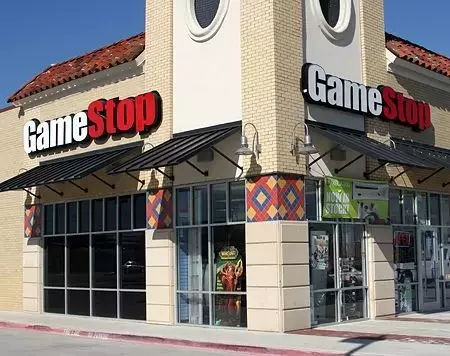
GameStop's leadership, under CEO Ryan Cohen, expresses no concern regarding the gaming sector's shift from physical copies to digital distribution, despite Sony's planned discontinuation of physical game releases by 2028 and the digital-only launch of Grand Theft Auto 6. Cohen highlights that traditional game software now accounts for less than 12% of GameStop's overall revenue, a stark contrast to the significant contribution from the collectibles market, which generates over half of the company's income. This strategic reorientation is vividly demonstrated by GameStop's active pursuit of acquiring eBay in a substantial $56 billion takeover attempt, signaling a clear direction for the company's future endeavors.
A key aspect of GameStop's new business model revolves around transforming its retail locations into e-commerce hubs, facilitating immediate authentication for valuable items such as Pokémon cards through partnerships with entities like PSA. This strategy aims to leverage GameStop's physical presence to support a digital marketplace, particularly in the thriving collectibles sector. Cohen's vision extends to creating a formidable position in the Pokémon Trading Card Game (TCG) market, especially if the acquisition of eBay, which includes TCGPlayer, is successful. Such a move could grant GameStop unparalleled market insights and control over pricing and trends within the collectibles space, potentially establishing a dominant ecosystem for trading cards.
This aggressive pivot is financially underpinned by the lucrative nature of collectibles, particularly Pokémon cards, which offer substantial profit margins. GameStop's revenue figures reflect this success, with a significant portion of its first-quarter 2026 earnings attributed to collectibles. The company is also exploring the potential of digital Pokémon card packs, where users can instantly sell valuable finds back to GameStop, creating a high-volume, high-profit model. Furthermore, as the market for physical games diminishes, GameStop envisions a future where older console games transition into the retro gaming market, a segment that continues to grow robustly. This forward-thinking strategy illustrates how GameStop is adapting to industry changes, with the beloved Pikachu unexpectedly becoming a cornerstone of its survival and future prosperity.
In an evolving digital landscape, GameStop's proactive adaptation to changing market dynamics showcases resilience and strategic foresight. By embracing the burgeoning collectibles market and leveraging its existing infrastructure, the company is charting a new course for sustainable growth and innovation. This transformation underscores the importance of agility and diversification in maintaining relevance and achieving success in a competitive global economy.
