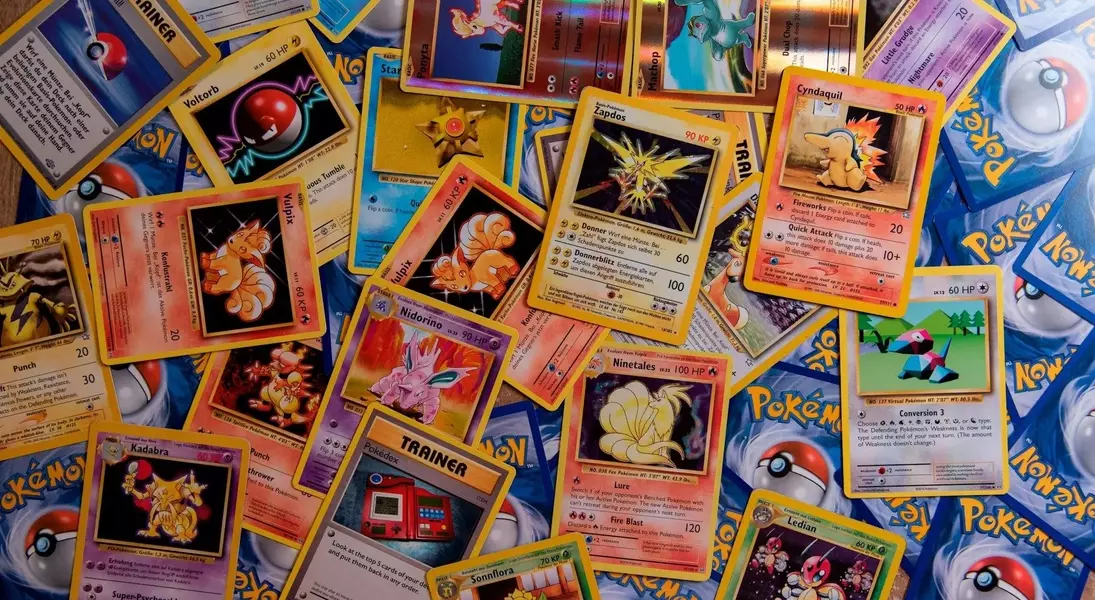
GameStop is under scrutiny for its aggressive pricing strategy on Pokémon trading cards, with recent adjustments sparking widespread debate among collectors and employees. Historically, the retailer's prices for these popular collectibles have often exceeded manufacturer's suggested retail prices (MSRP), a trend that appears to be intensifying.
The continuous surge in demand for Pokémon cards has transformed GameStop's business model, which now heavily emphasizes trading card sales over traditional video games. This strategic pivot includes grading cards, reselling previously owned cards, and curating exclusive mystery packs. While fans initially tolerated slight markups, the situation has escalated, with some products seeing price increases of over 50%. For example, certain sleeved booster packs, typically retailing at $4.99, are now priced at $6.99, and an exclusive Ultra Premium Collection initially sold for $180 has reportedly soared to $274.99.
Despite the significant price hikes, the allure of rare cards keeps collectors actively engaged, often purchasing items shortly after they become available. This strong demand, coupled with GameStop's dynamic pricing adjustments, creates a challenging environment for fans. Employees have expressed frustration, noting that many customers, despite complaining about the increased costs, continue to make purchases. This cycle suggests that as long as demand persists, prices are likely to continue their upward trajectory, blurring the lines between retail and secondary market pricing strategies.
The phenomenon at GameStop illustrates a complex interplay between consumer demand, retailer strategy, and market dynamics. It highlights how a niche product's popularity can drive aggressive pricing policies, reshaping conventional retail practices and pushing the boundaries of what consumers are willing to pay.
