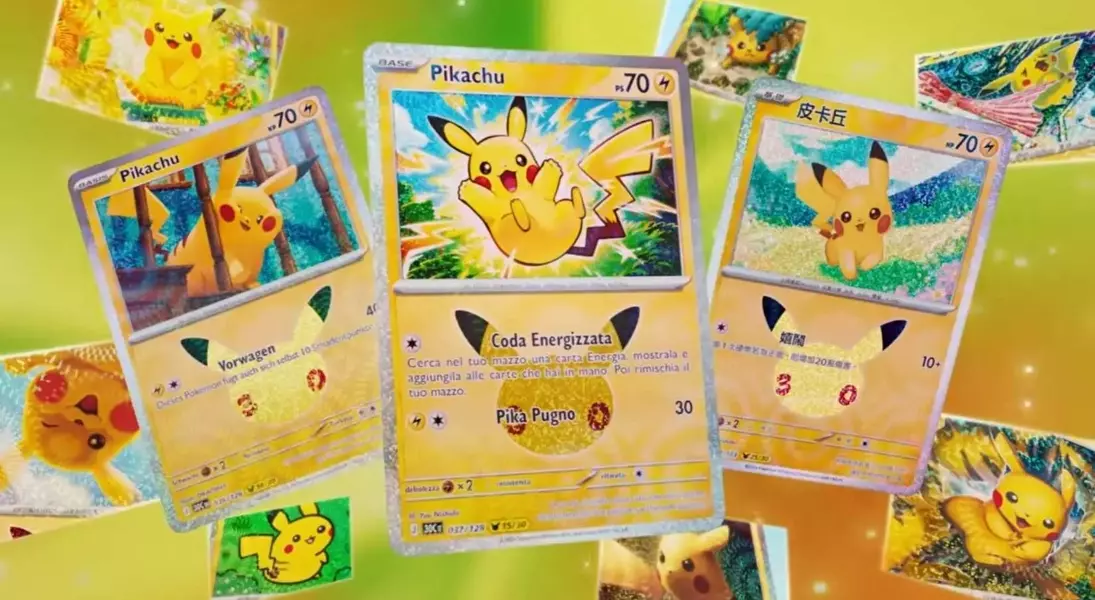
GameStop has recently stirred controversy by substantially increasing the prices of its highly anticipated Pokémon 30th-anniversary pre-orders. This decision, initially met with public outrage over significant markups, appears to have shifted the market dynamics, leading other retailers to follow suit. Consequently, GameStop's previously inflated prices are now becoming relatively more competitive as the overall market value for these commemorative items climbs. The sustained demand, even amidst escalating costs, highlights a robust collector's market for these exclusive Pokémon Trading Card Game products.
GameStop's Aggressive Pricing Strategy for Pokémon 30th Anniversary Pre-Orders
In early July, GameStop initiated new pricing guidelines for its Pokémon 30th-anniversary pre-orders, setting off a wave of consumer dissatisfaction. For instance, the Elite Trainer Box, with a manufacturer's suggested retail price of $49.99, was initially listed by GameStop at $129.99, representing a 260% markup. Even more strikingly, the Ultimate Premium Collection, originally priced around $120, was offered for $600—a staggering 500% increase. This bold pricing strategy quickly went viral, fueling public outcry across social media platforms.
Despite the initial negative reception, GameStop further escalated prices. Fliers from employees indicated that the Elite Trainer Box's cost would rise from $129.99 to $169.99, a 340% markup from the original retail price. While some items maintained their inflated prices, popular products like the Booster Bundle saw additional increases. Interestingly, customers who had pre-ordered prior to these new adjustments were promised to pay the original, albeit already high, amount, though some reports suggested instances of additional charges.
This aggressive pricing from GameStop has inadvertently influenced the broader market. Other card shops and online platforms, such as TCGPlayer, have adjusted their prices upwards. On TCGPlayer, the Elite Trainer Box reached a market price of $284 and a median price of $301, making GameStop's $169.99 seem like a relative bargain. Similarly, the Ultimate Premium Collection, once $600 at GameStop, now commands market prices exceeding $1,100 on other sites. This trend suggests that GameStop's strategy, while controversial, has effectively set a new, higher baseline for these highly sought-after Pokémon collectibles. The continued demand, despite the high prices, underscores the strong collector interest and the perceived value of these anniversary products, with prices expected to continue their ascent until the September 16th release date.
The current scenario with GameStop's Pokémon pre-orders offers a fascinating case study in market dynamics and consumer behavior. It highlights how a dominant retailer can, through controversial pricing, redefine market expectations and influence competitors. While initially sparking outrage, GameStop's ability to capitalize on intense collector demand, even with exorbitant markups, demonstrates the power of a strong brand and a highly desired product in a niche market. This situation raises questions about consumer tolerance for price hikes when faced with scarcity and exclusive items, suggesting that in certain markets, perceived value and collector's fever can override traditional price sensitivity.
