
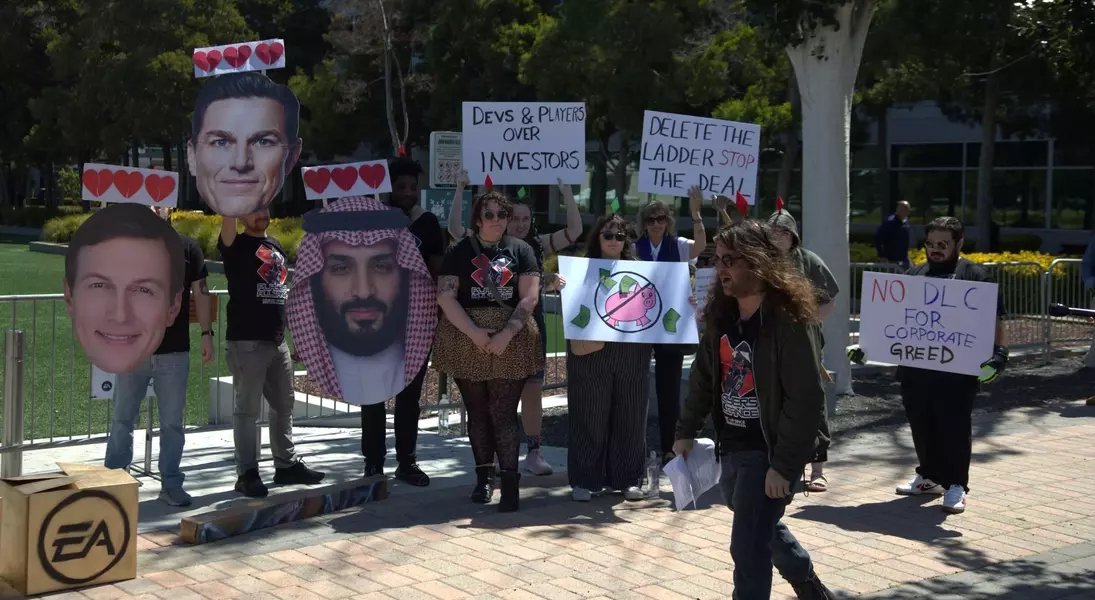
A group of gamers, organized under the name Players Alliance HQ, recently demonstrated at the headquarters of Electronic Arts (EA) to voice their opposition to the Saudi Arabia-led acquisition of the video game giant. The protest aimed to present a petition, bearing more than 70,000 signatures, directly to EA's leadership. However, their efforts were largely obstructed by company security, who prevented direct access to the building but accepted the petition for internal distribution. This acquisition has sparked considerable debate within the gaming community, driven by fears of job losses, potential restrictions on game content, and concerns over external influence in the industry. The protest highlights the growing unease among players regarding corporate consolidation and the implications of such large-scale financial maneuvers on the future of gaming. The Players Alliance views this as a critical moment to challenge corporate greed and ensure accountability from major industry players.
The central point of contention revolves around the nature of the acquisition itself. It is structured as a leveraged buyout, a financial strategy that often leaves the acquired company saddled with significant debt. Critics fear this could force EA to implement drastic cost-cutting measures, potentially leading to widespread layoffs, the closure of development studios, and the cancellation of ongoing projects. Furthermore, the prospect of Saudi ownership has raised questions about content censorship, with some concerned that cultural values from the acquiring entity could impose limitations on creative expression within games. While EA has asserted its commitment to maintaining its own cultural values, the lack of specific details has done little to quell these anxieties. The demonstration by Players Alliance HQ reflects a broader movement within the gaming world to push back against corporate practices perceived as detrimental to both developers and consumers, calling for increased scrutiny and transparency in such major deals.
Player Resistance to EA's Acquisition
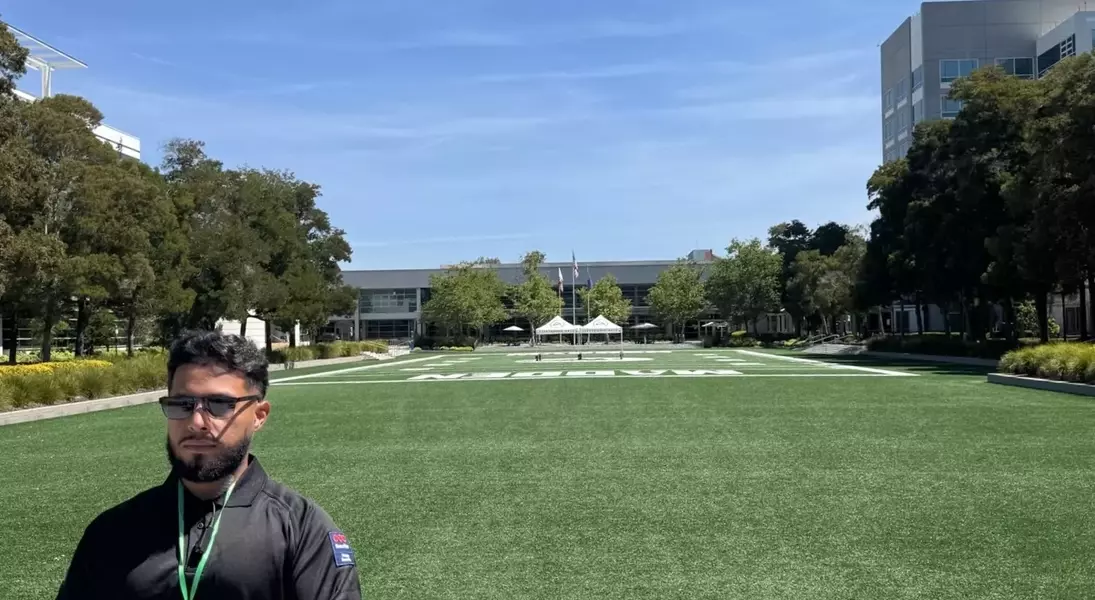
A collective of gamers, known as Players Alliance HQ, recently organized a demonstration at Electronic Arts' main campus to voice their opposition to the company's acquisition by a Saudi Arabia-led investment group. The protest was designed to mimic an "MMO raid," where players unite to confront a formidable adversary, in this case, the corporate leadership of EA. Participants gathered at the company's Madden field, expressing their concerns about the implications of the acquisition for the gaming industry and consumer welfare. The group intended to formally present a petition with over 70,000 signatures, urging EA to reconsider or address the community's worries. This event underscores a growing sentiment among gamers that their voices should be heard in decisions that significantly impact the industry and their passion for video games. The organizers aimed to create a direct dialogue with EA, believing that public pressure is a vital tool in influencing corporate behavior.
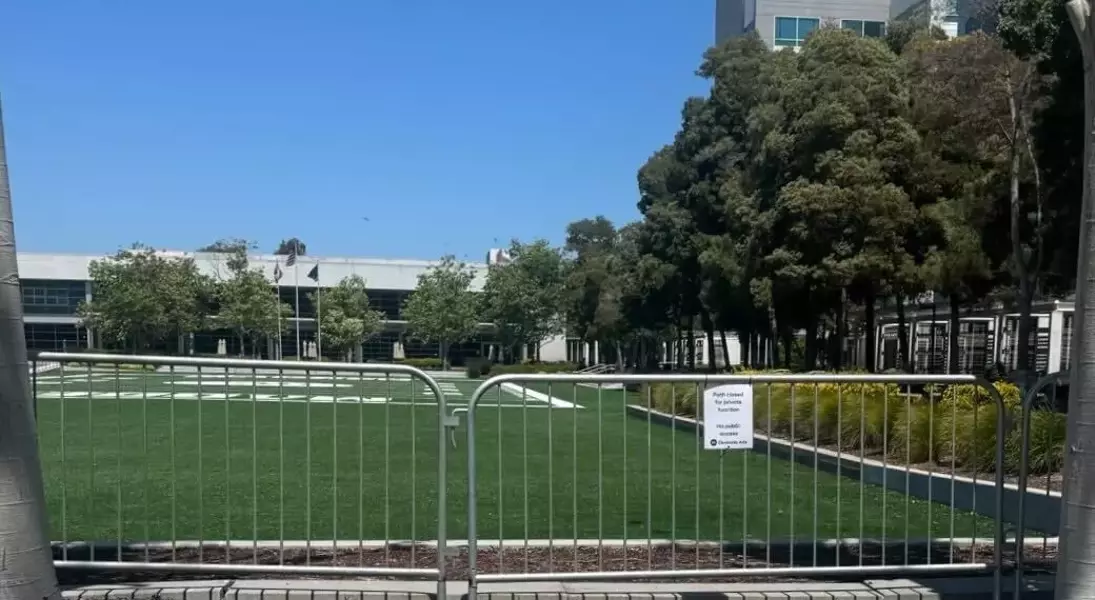
The protest encountered an immediate obstacle when EA erected barricades around the Madden field, citing a "private function," which protesters believed was a direct response to their planned demonstration. Despite this, the small but dedicated group proceeded with their protest in front of the barriers, maintaining an enthusiastic and focused presence. Zefrine, a Twitch streamer and member of Players Alliance HQ, stated that gamers are no longer willing to passively accept industry changes driven by private equity firms and corporate executives. She emphasized that the barricades indicated EA's apprehension towards the mounting public opposition, especially as regulators consider approving the deal. While EA security prevented the protesters from directly entering the building to deliver the petition, they assured the representatives that the signatures would be passed on to the appropriate personnel. The Players Alliance also sent the petition to EA CEO Andrew Wilson and the US government's Committee on Foreign Investment, signaling their commitment to escalate their concerns beyond the direct protest.
Concerns and Context of the Controversial Buyout
The proposed acquisition of Electronic Arts by a Saudi-led entity has generated significant controversy, stemming from various concerns beyond typical media consolidation anxieties. A primary worry revolves around the financial structure of the deal: a leveraged buyout. This type of acquisition often burdens the acquired company with substantial debt, leading to fears that EA might resort to severe cost-cutting measures, such as widespread layoffs, studio closures, and the cancellation of game development projects, to manage its new financial obligations. This potential for adverse impact on employees and the creative output of the company is a major point of contention for many in the gaming community. The financial leverage inherent in the deal could fundamentally alter EA's operational strategies and its relationship with its workforce and player base.
Another significant concern pertains to the potential for content restrictions in games under Saudi ownership. Given the cultural and social norms of Saudi Arabia, there are fears that the acquiring entity might impose limitations on game content, impacting creative freedom and artistic expression. Although EA has issued statements pledging to uphold its existing "cultural values," the vagueness of these assurances has done little to allay the community's apprehensions. This lack of concrete commitment to specific values leaves room for speculation and anxiety among players and developers alike. Moreover, the deal has attracted scrutiny from game developers and US lawmakers, who have expressed "profound concern about the foreign influence and national security risks." Despite these calls for increased scrutiny and demands for assurances, historical precedents, such as Microsoft's acquisition of Activision, suggest that such appeals may not ultimately halt the transaction, implying that powerful political and financial interests might override public and regulatory concerns.
