
This analysis delves into the contrasting experiences offered by Markiplier's brief online gaming session and his extensive cinematic rendition of the indie horror title 'Iron Lung'. It scrutinizes how each medium portrays the game's chilling atmosphere and narrative, weighing the cinematic expansion of the game's universe against the minimalist approach of the original gameplay. The core of the discussion centers on identifying which format more effectively delivers the intended horror, providing insight for those considering either viewing option.
The Dual Experience: Markiplier's Gaming vs. Cinematic Vision of 'Iron Lung'
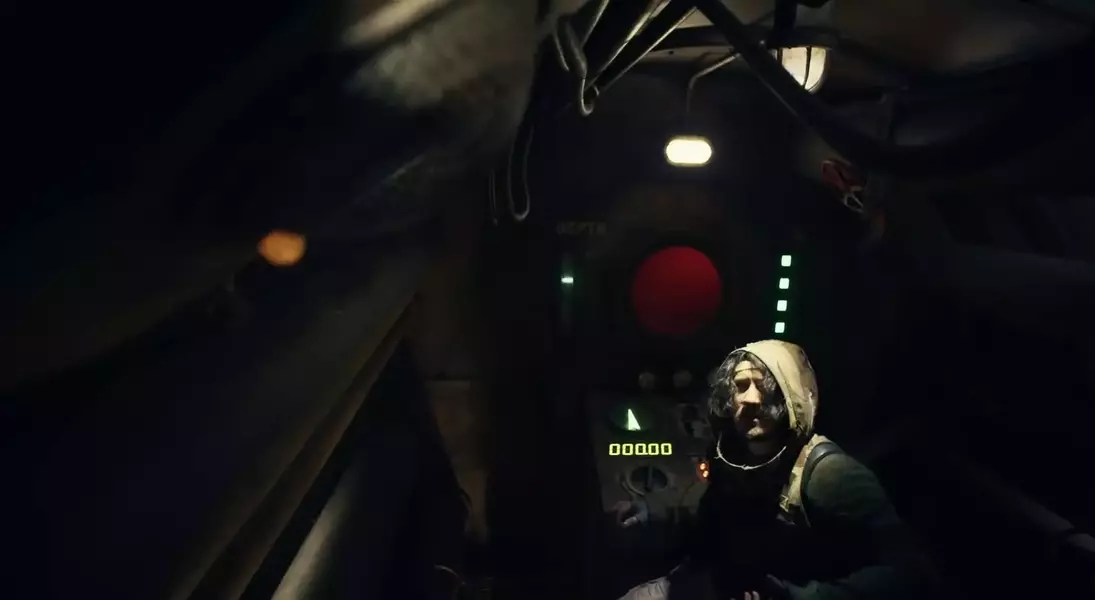
Markiplier, known for his engaging YouTube content, first immersed audiences in the eerie world of 'Iron Lung' through a 45-minute gameplay video, meticulously navigating a confined submarine through a blood-filled alien ocean. This initial encounter showcased the game's inherent dread and minimalist horror elements, captivating viewers with his genuine reactions and the unfolding mystery. The experience was swift, intense, and perfectly encapsulated the game's core mechanics and unsettling ambiance. Subsequently, Markiplier undertook the ambitious project of adapting this brief gaming encounter into a feature-length film. This cinematic endeavor allowed for a deeper exploration of the game's lore, introducing expanded settings within the submarine and additional plotlines. However, the transition from a compact gaming session to a two-hour film presented challenges in pacing and maintaining the game's signature tension.
The YouTube playthrough of 'Iron Lung' serves as a benchmark for how effectively a short-form horror experience can be translated. Markiplier's real-time discovery and reactions to the game's terrifying sound design and visual cues made for a compelling watch, highlighting the raw, visceral fear the game evokes. The film adaptation, while praised for its expanded universe and faithful recreation of the submarine's intricate details, diverged in its delivery of horror. Early scenes effectively built suspense through visual storytelling and character interaction, particularly an impactful sequence where the protagonist confronts his handlers. Yet, the film's latter half struggled with an overload of sensory input—excessive screaming, chaotic visuals, and an overwhelming soundtrack—which ironically diluted the very tension it aimed to create, moving away from the understated horror that defined the original game.
Navigating the Abyss: Comparing Narrative and Atmosphere
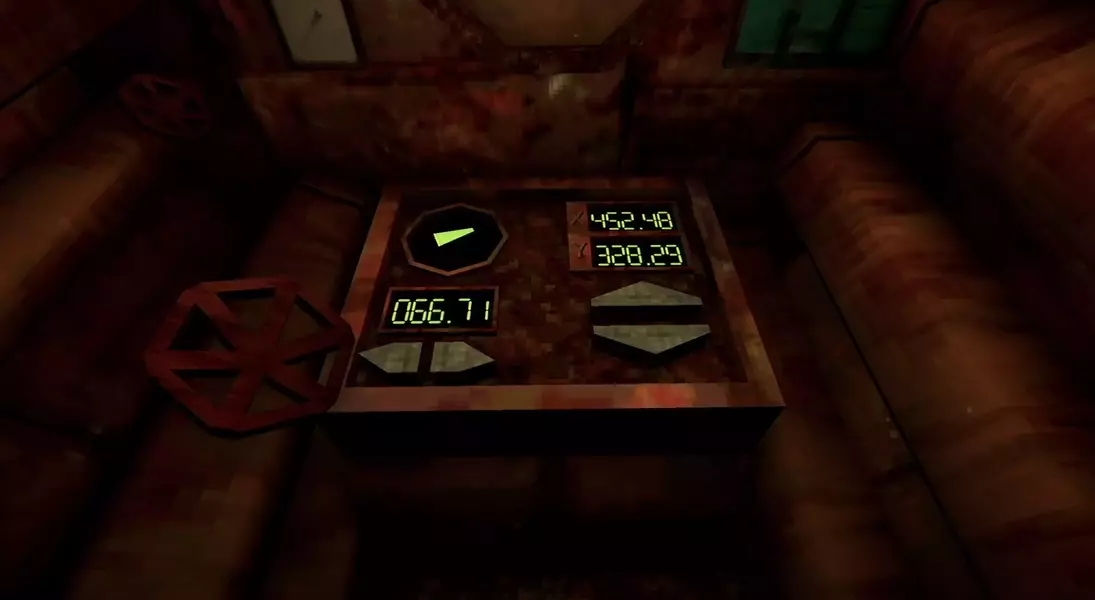
The original 'Iron Lung' game thrives on its succinctness and claustrophobic atmosphere, delivering a potent dose of psychological horror within a limited timeframe. Players are confined to a windowless submarine, relying on rudimentary controls and occasional photographs to navigate a crimson ocean, fostering a profound sense of isolation and dread. This minimalist design, coupled with scarce lore presented through text logs, allowed the player's imagination to fill the terrifying gaps. Markiplier's film adaptation, conversely, sought to enrich this narrative by introducing a backstory for the protagonist, Simon, and transforming text-based lore into dialogue and frantic intercom exchanges. While this expansion aimed to deepen the story, the delivery often felt convoluted, with essential information sometimes lost amidst distorted audio and panicked yelling, detracting from the narrative clarity that could have enhanced the film's horror.
A critical aspect of 'Iron Lung's' appeal is its ability to build tension through near-silence and slow, deliberate progress. This gradual escalation of unease is a hallmark of the game's horror experience. The film initially mirrors this approach, using extended periods of quiet and visual storytelling, such as water slowly dripping over the submarine's porthole, to effectively cultivate a similar sense of impending doom. However, the movie's second act shifts dramatically, opting for an intense, cacophonous barrage of sounds, frantic visuals, and overwhelming music. This shift, intended to heighten the terror, instead diluted the carefully constructed atmosphere, making the experience feel more chaotic than genuinely frightening. The game's strength lies in its restraint and implication, whereas the film's later segments lean heavily into overt, often disorienting, expressions of horror, ultimately undermining the subtle dread that makes 'Iron Lung' so compelling.
