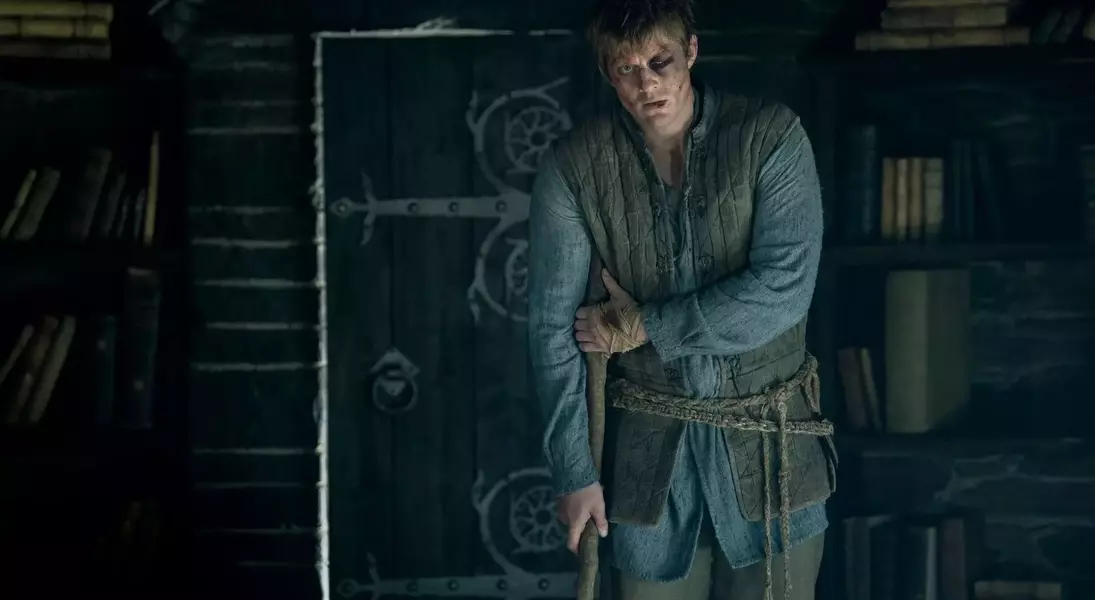
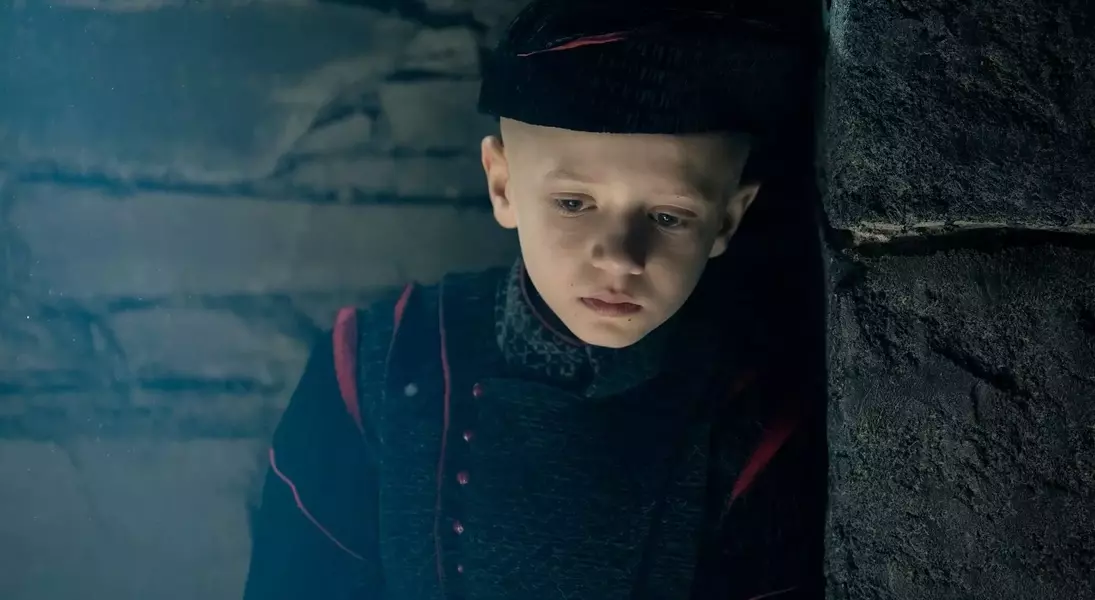
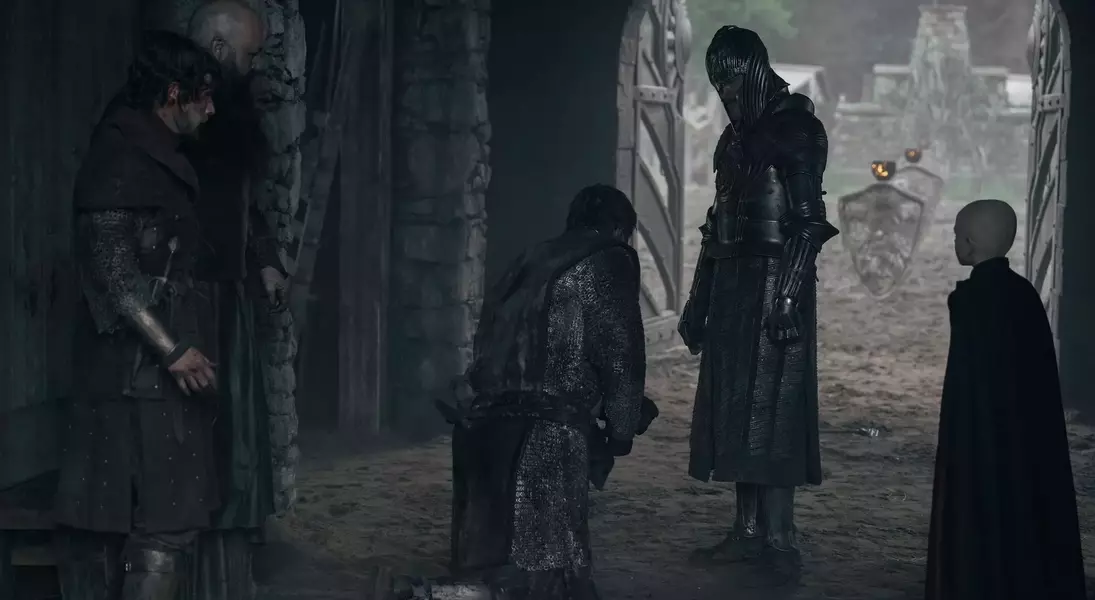
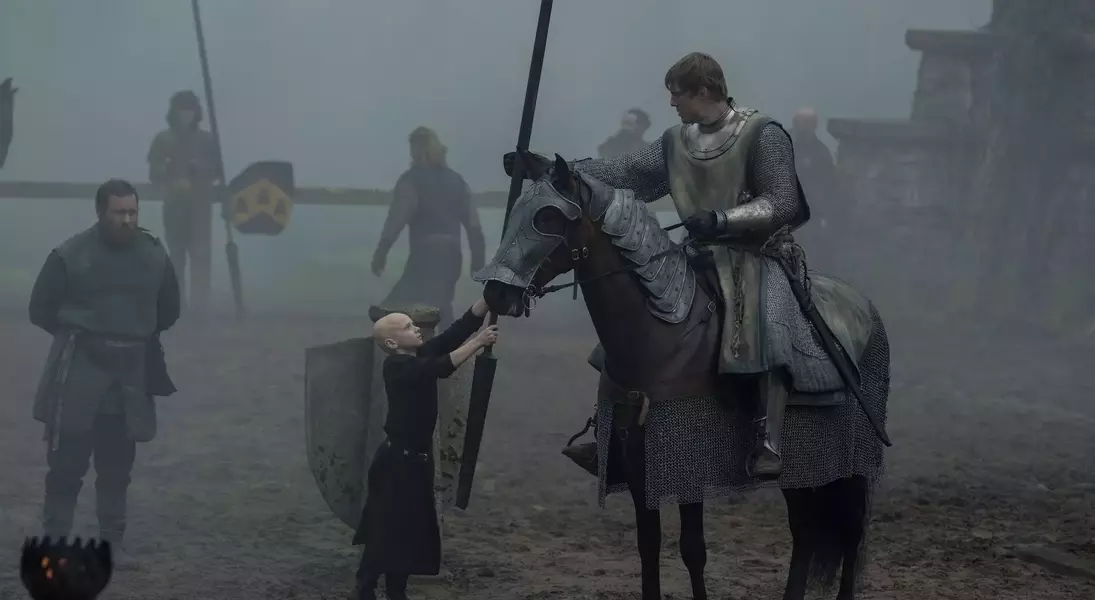
The series finale of "A Knight of the Seven Kingdoms" has ignited fervent debate among fans and critics alike due to a pivotal narrative departure from George R.R. Martin's source material. This modification, particularly regarding the foundational relationship between Ser Duncan the Tall and his young squire, Egg, reimagines their bond from one of mutual respect and validated honor into a more ambiguous, potentially manipulative dynamic. While this creative choice aims to fuel future plotlines and introduce new conflicts for subsequent seasons, it has, for some, undermined the core thematic integrity and the established character arcs that defined the original novellas.
This revised ending not only shifts the narrative trajectory but also redefines the very essence of Dunk's journey from a principled, if naive, hedge knight to a figure whose triumphs are now overshadowed by a sense of ongoing deception. The once clear vindication of his moral steadfastness, a cornerstone of Martin's storytelling, is replaced by an arrangement built on a lie, raising questions about Egg's character and Dunk's perceived gullibility. This controversial alteration reshapes the fundamental conflict and character development, potentially setting a new, darker tone for the series' future.
Altered Dynamics: The Series' Departure from Source Material
The television adaptation of "A Knight of the Seven Kingdoms" largely mirrored George R.R. Martin's "The Hedge Knight" for much of its first season. However, the finale introduces a critical deviation from the original text, specifically concerning the circumstances under which Ser Duncan the Tall takes Egg as his squire. In Martin's novella, Prince Maekar, Egg's father, reluctantly but ultimately grants his blessing for Egg to accompany Dunk, recognizing the value of Dunk's mentorship despite his humble origins. This decision serves as a subtle yet powerful affirmation of Dunk's character and his knightly virtues, culminating in a moment of quiet triumph for the hedge knight. The series, by contrast, portrays Egg's departure with Dunk as an act of deception, with Egg misleading both Dunk and his father about Maekar's consent. This change fundamentally alters the nature of their burgeoning relationship, transforming a mutually agreed-upon mentorship into a clandestine arrangement.
This narrative shift, where Egg fabricates his father's approval to join Dunk, recontextualizes the entire dynamic between the two protagonists. Instead of a hard-won acknowledgment of Dunk's integrity, the series presents Egg's squirehood as a manipulated outcome, initiated by Egg's own wilful defiance. This deliberate modification sets the stage for potential future conflicts, with the Targaryen family possibly pursuing Dunk and Egg across Westeros under the assumption of abduction or insubordination. While this creative choice might promise increased dramatic tension and expanded plotlines for subsequent seasons, it risks eroding the foundational themes of honor, humility, and the eventual vindication of character that were central to Martin's original work. The integrity of Dunk's triumph and the sincerity of Egg's commitment to his chosen path are both complicated by this significant alteration.
Thematic Betrayal: Impact on Character and Narrative Core
The decision to alter the conclusion of Ser Duncan the Tall and Egg's initial journey has sparked considerable consternation among fans of George R.R. Martin's novellas, largely because it is perceived as a betrayal of the core thematic elements that define "The Hedge Knight." Martin's original narrative culminates in a profound moment of vindication for Dunk, whose unwavering decency and knightly honor, despite constant challenges from the privileged elite, are ultimately recognized and rewarded. Prince Maekar's reluctant consent for Egg to be squired by Dunk symbolizes the triumph of virtue over status, acknowledging Dunk's unique ability to instill true honor and empathy in a young prince. This quiet victory is not merely a plot point but a central message, celebrating the inherent worth of integrity in a corrupt world.
However, by reframing Egg's squirehood as an act of calculated deceit, the television series inadvertently undermines this crucial thematic payoff. The portrayal of Egg as a manipulator, rather than a young prince genuinely seeking a different path under a worthy mentor, diminishes his likability and casts a shadow on his future development. Simultaneously, Dunk's character risks being reduced from a noble figure achieving a deserved triumph to a somewhat gullible individual once again exploited by a Targaryen. This alteration not only jeopardizes the profound bond between Dunk and Egg, which is foundational to their subsequent adventures in Martin's expanded universe, but also suggests a shift towards a more cynical interpretation of their story, where integrity is less frequently rewarded and deception plays a more prominent role in shaping destinies. The potential for future conflict, while intriguing, comes at the cost of sacrificing a significant part of the original narrative's emotional and moral resonance.
