
The recent Game Developers Conference (GDC) was overshadowed by a confluence of industry challenges, ranging from job market instability following widespread layoffs to the pervasive influence of artificial intelligence. Amidst these concerns, a critical issue emerged: the soaring cost of memory, dubbed the 'RAM crisis.' This economic hurdle is prompting a re-evaluation of current game development practices and sparking vital discussions about sustainability and future technological advancements.
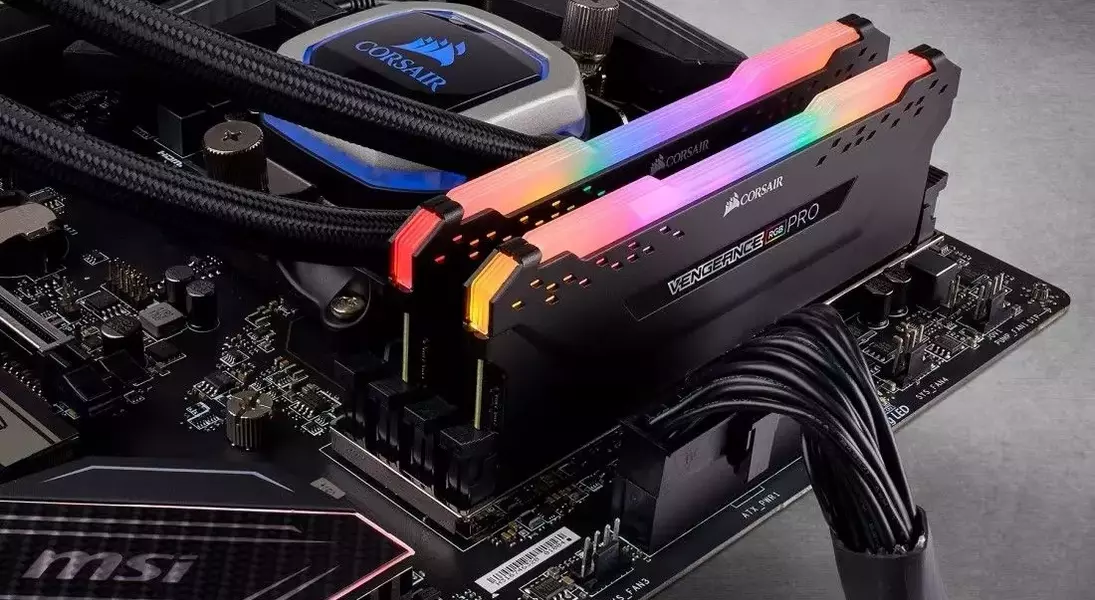
The root of the memory price surge lies in the escalating demand from AI data centers, which require vast quantities of specialized memory components. With only a handful of major manufacturers like Samsung and Micron, these companies are prioritizing high-profit AI-specific products over those for general consumers and game developers. This shift has led to a significant reduction in supply for the broader market, driving prices upwards, with some reports indicating a 300% increase in RAM costs. This not only affects individual consumers looking to upgrade their personal computers but also creates immense pressure on product manufacturers who rely on memory components.
The scarcity and expense of memory chips pose a complex problem with no immediate solutions. The production of RAM necessitates rare metals, and establishing new manufacturing facilities is a lengthy, multi-year process. Consequently, developers at GDC expressed concerns that this 'wait and see' period could extend for another two years, fostering an environment of uncertainty within an industry that thrives on stability and predictable technological roadmaps.
While some developers reported minimal direct impact on their day-to-day game creation, others noted tangible effects. Marketing professionals, for instance, are grappling with how increased system costs for consumers might translate into fewer game purchases, necessitating adjustments to pricing strategies. More broadly, the crisis is accelerating conversations around game optimization, a topic that was already gaining traction at GDC. Developers are now reconsidering the PC specifications for upcoming titles, acknowledging that not all players will have access to high-end systems with abundant RAM. A notable example is TT Games' decision to reduce the recommended RAM for Lego Batman: Legacy of the Dark Knight from 32GB to 16GB.
This re-prioritization of optimization could lead to significant shifts in game design. Some speculate that studios might become more accepting of techniques like asset pop-in or increased loading screens to alleviate memory burdens. Interestingly, this could indirectly benefit platforms like the Nintendo Switch 2, allowing more third-party titles to run effectively. Despite the challenges, some industry veterans, like Mark Subotnick of ProbablyMonsters, view the situation as a cyclical event. Having experienced similar supply crises in the past, they remain confident that while the next couple of years might be challenging, the industry will ultimately adapt and overcome these obstacles.
Ultimately, the ongoing memory shortage is compelling the game development community to confront a deeper, more fundamental question: is the relentless pursuit of cutting-edge visuals sustainable? Many professionals at GDC voiced concerns that the industry's focus on maximizing graphical fidelity has become unsustainable. This crisis may serve as a crucial inflection point, encouraging developers to prioritize optimization and design games with a wider range of player hardware in mind. This forward-thinking approach could be a more resilient strategy for navigating future technological and economic fluctuations.
