The announcement of the Nintendo Switch 2 has ignited a wave of anticipation and strategic planning within the game development sector. Following eight years with its predecessor, developers are now evaluating the potential and challenges presented by the new console. This comprehensive overview captures their immediate responses, delves into their expectations for features such as improved graphical capabilities and unique controller interactions, and explores the broader implications for game creation and market presence. From the promise of more complex gameplay to the intricacies of hardware access and digital distribution, the industry is buzzing with discussions about shaping the next generation of gaming on Nintendo's latest platform.
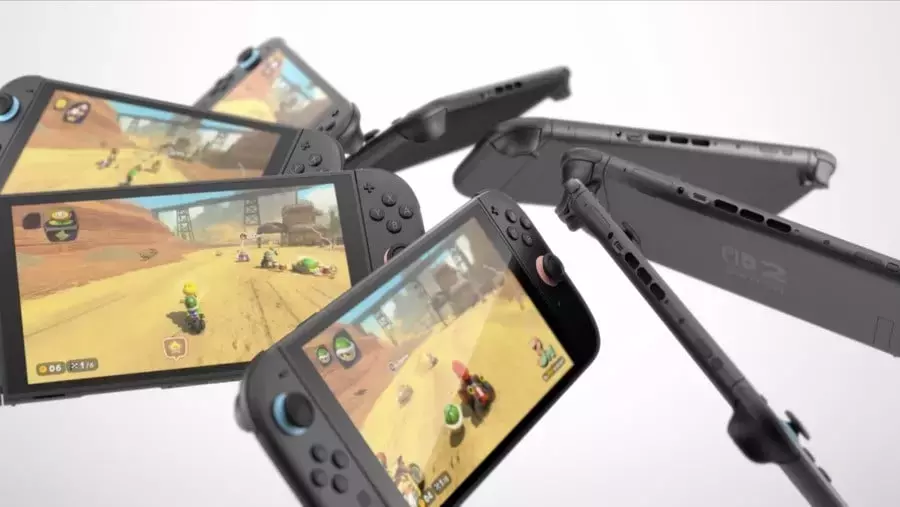
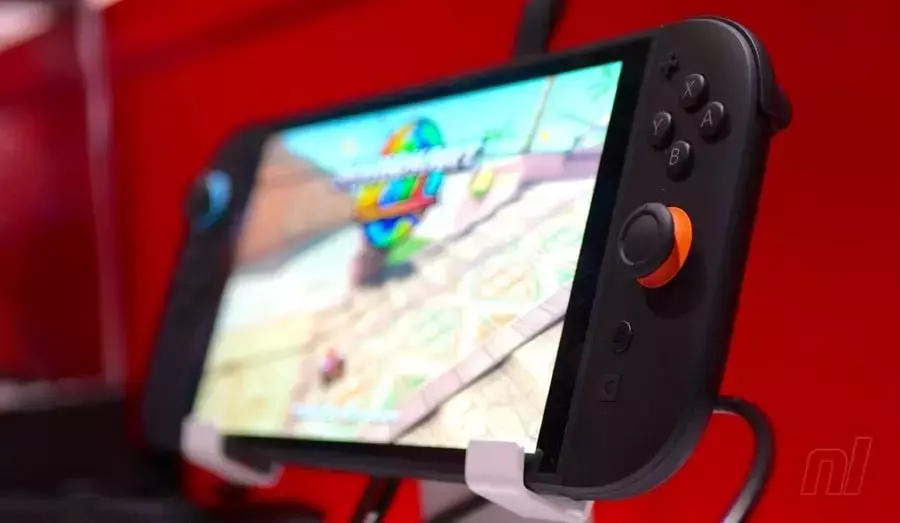
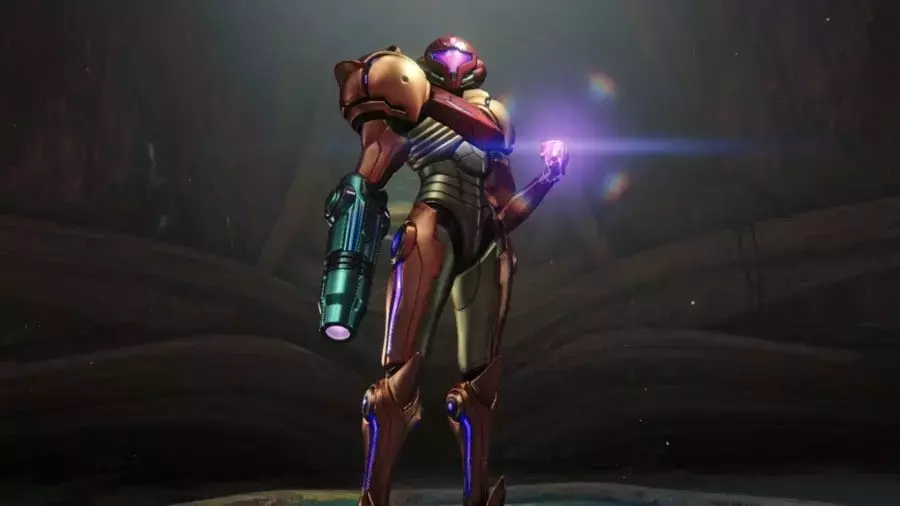
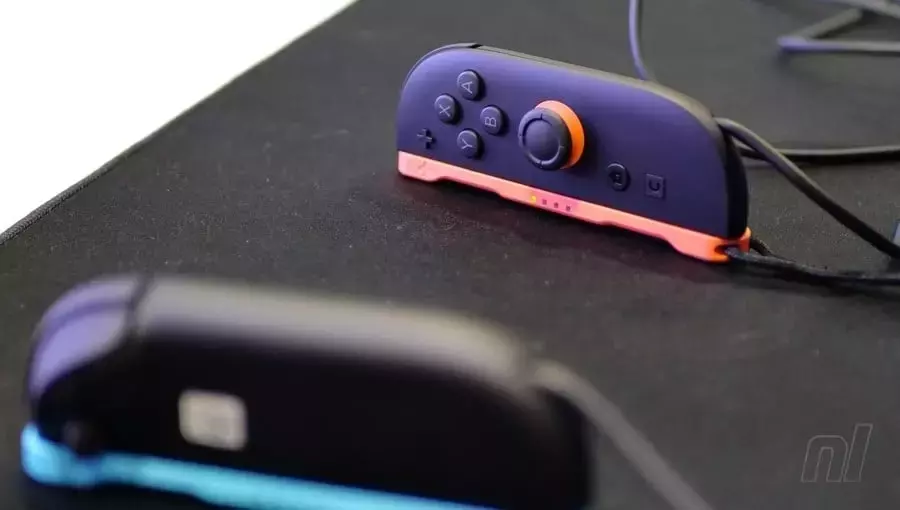
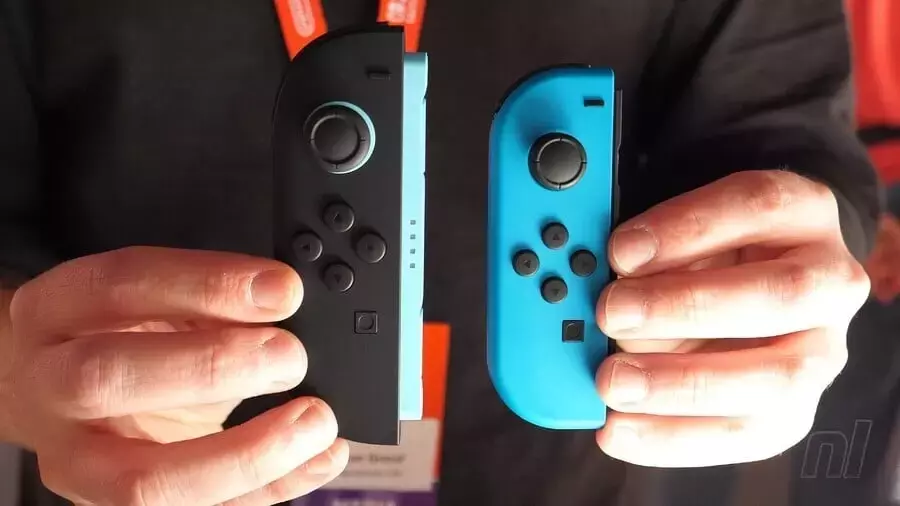
The revealed features of the Switch 2 have sparked particular interest among developers. Harris Foster of Big Fan Games highlighted the innovative mouse functionality integrated into the new Joy-Con controllers, envisioning new gameplay mechanics, especially for couch-based gaming experiences. WayForward's Matt Bozon expressed excitement about the larger screen and increased processing power, which promise an enhanced portable gaming experience. Manfred Linzner from Shin'en was delighted by the prospect of new first-party titles, including "Mario Kart World," "Donkey Kong Bananza," and "Metroid Prime 4," suggesting that Nintendo's commitment to quality and fresh ideas remains unwavering. Sophie Smart of No More Robots appreciated the detailed announcement, particularly the console's ability to bridge content between the original Switch and its successor, noting that while Nintendo opted for an iterative approach rather than a complete overhaul, features like the Joy-Con-as-mouse concept could inspire unique game designs.
Developers also shared their hopes and concerns for the future of the Switch 2 ecosystem. Adam Tierney of WayForward pointed to the improved multiplayer features, such as enhanced online connectivity and in-game communication, as key areas that could foster deeper player engagement. Gavin Price of Playtonic was enthusiastic about the 120Hz refresh rate, which offers players more flexibility in how they experience games. An anonymous developer echoed the excitement for the dual mouse control, foreseeing its potential to enable game genres previously unfeasible on consoles. Meanwhile, James Montagna, also from WayForward, was particularly impressed by the enhanced HD Rumble 2, envisioning a new level of immersive haptic feedback. Andy Pearson of PQube emphasized the significance of more powerful processing, which will allow developers to realize their creative visions with fewer technical compromises.
Despite the general enthusiasm, several developers raised pertinent questions and expressed desires for further improvements. Harris Foster is keen to understand how the Switch 2 will manage digital game libraries and save data migration from the original console, a crucial aspect for players with extensive collections. Tomm Hulett pondered the possibility of utilizing the original Switch as a secondary screen or controller for specific game experiences, potentially bridging the gap for older titles or exploring novel dual-screen gameplay. Gavin Price mused about an interactive LED/second screen-fronted dock, acknowledging the potential for disparity between docked and handheld modes. Andy Pearson called for enhancements to the digital storefront, including better discoverability and recommendation systems, as well as new social and online features to enrich the gaming community. Sophie Smart suggested the eventual release of a Switch 2.5 or 'Pro' model with an OLED screen and extended battery life, reflecting a common consumer desire for iterative hardware upgrades.
The commitment to the Switch 2 is clear across the board. Andy Pearson affirmed PQube's full support, viewing the new console as a natural evolution that will attract new players while retaining the existing user base. Sophie Smart highlighted the strategic importance of early Switch 2 releases, as they offer a unique opportunity for games to stand out in a less crowded market and bypass the technical limitations of the original Switch. Gavin Price confirmed Playtonic's plans to support the console, though specifics are still under wraps, recognizing the large following of the Switch 1 and the appetite for new experiences among early Switch 2 adopters. An anonymous developer drew parallels to the PS4-to-PS5 transition, anticipating a launch with new titles alongside a vast backward-compatible catalog. Manfred Linzner reiterated Shin'en's strong dedication, having launched games on day one for both the original Switch and with plans for "Fast Fusion" on the Switch 2. Adam Tierney expressed WayForward's ongoing commitment to collaborating with Nintendo to create innovative titles for its new systems.
The distribution of Switch 2 development kits remains a key point of discussion. Manfred Linzner confirmed that Shin'en received dev kits due to their work on a launch title, but could not disclose further details. Sophie Smart indicated that No More Robots is actively seeking a dev kit. However, an anonymous developer revealed a significant disparity in dev kit access, noting that many studios, even those with large projects, lack information or access, making long-term planning difficult. This bottleneck suggests that while excitement for the Switch 2 is high, the practicalities of game development are still being navigated.
The increased power of the Switch 2 is set to profoundly influence game development. James Montagna emphasized that this boost goes beyond mere graphical improvements, unlocking opportunities for more complex and innovative gameplay. Sophie Smart acknowledged that while the power upgrade may not rival other console giants, it will enable better versions of existing Switch games and facilitate the porting of less intensive titles that were previously incompatible. Manfred Linzner highlighted the expanded technical possibilities compared to the original Switch, which allowed only limited optimization for performance. Andy Pearson celebrated the ability to more faithfully realize creators' original artistic visions, overcoming technical hurdles faced during multi-platform releases on the older console. Harris Foster viewed any power increase as a boon for developers, whether for visual fidelity or under-the-hood performance, expressing optimism for the system's promised specifications. Tomm Hulett humorously noted that the added power would simplify the implementation of ambitious ideas, ensuring happier lead programmers.
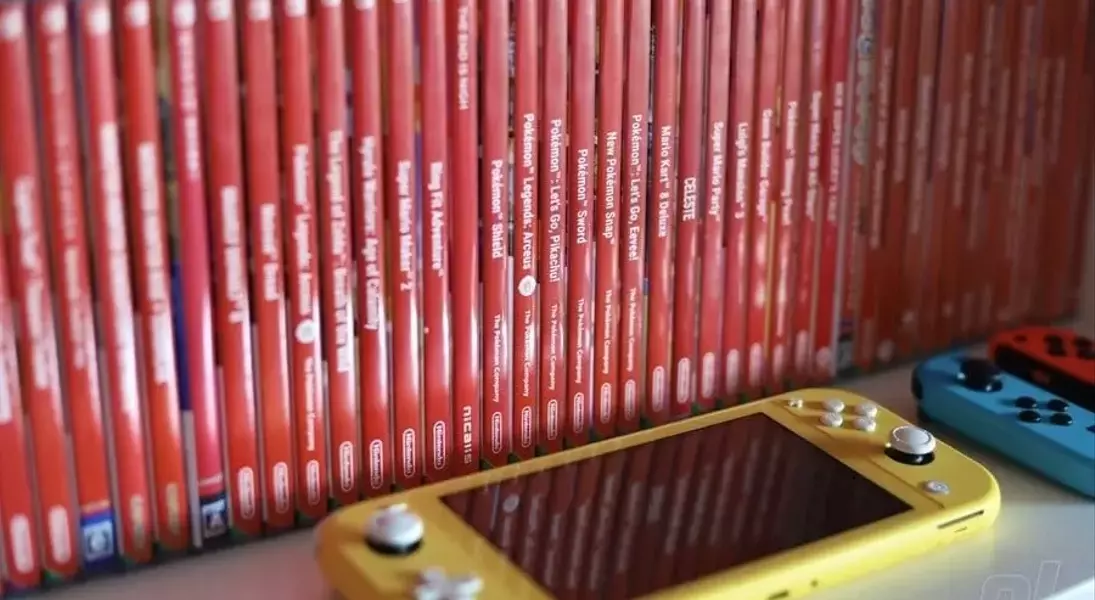
The discussion also touched upon the future of physical game releases. Andy Pearson confirmed PQube's continued commitment to physical media for Switch 2 titles, recognizing its importance to collectors and fans. Sophie Smart acknowledged the declining physical market but expressed a personal preference for creating physical copies for select games, intending to maintain this approach for the Switch 2. Adam Tierney affirmed WayForward's dedication to offering both digital and physical content. Gavin Price shared Playtonic's affection for physical releases, noting the persistent demand from passionate fans and those who value tangible products. Manfred Linzner, despite the financial challenges for indie developers, expressed a desire to continue supporting physical releases where feasible.
