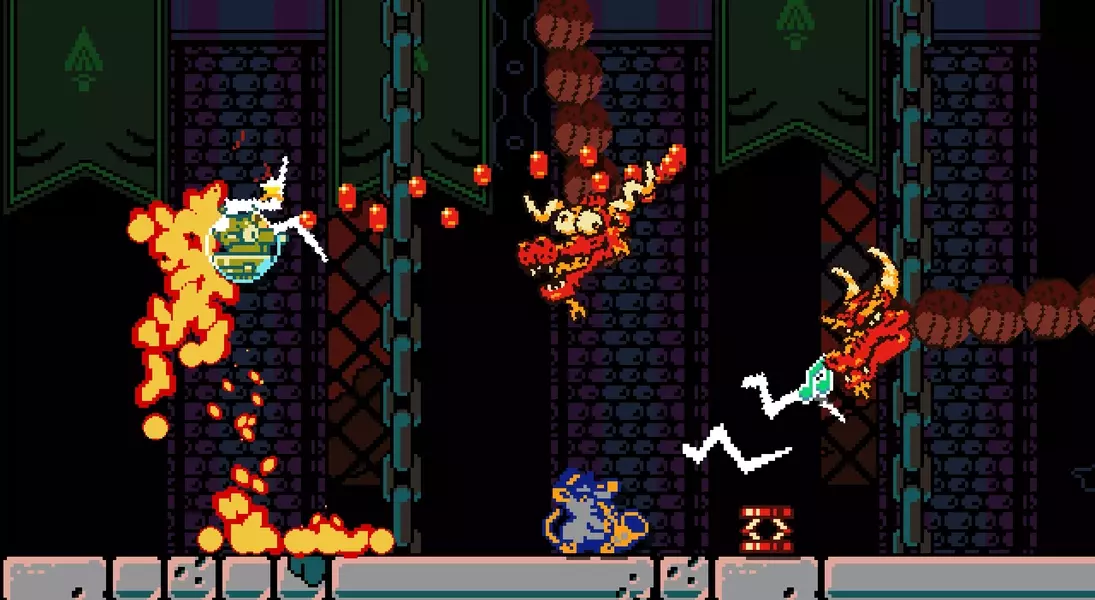
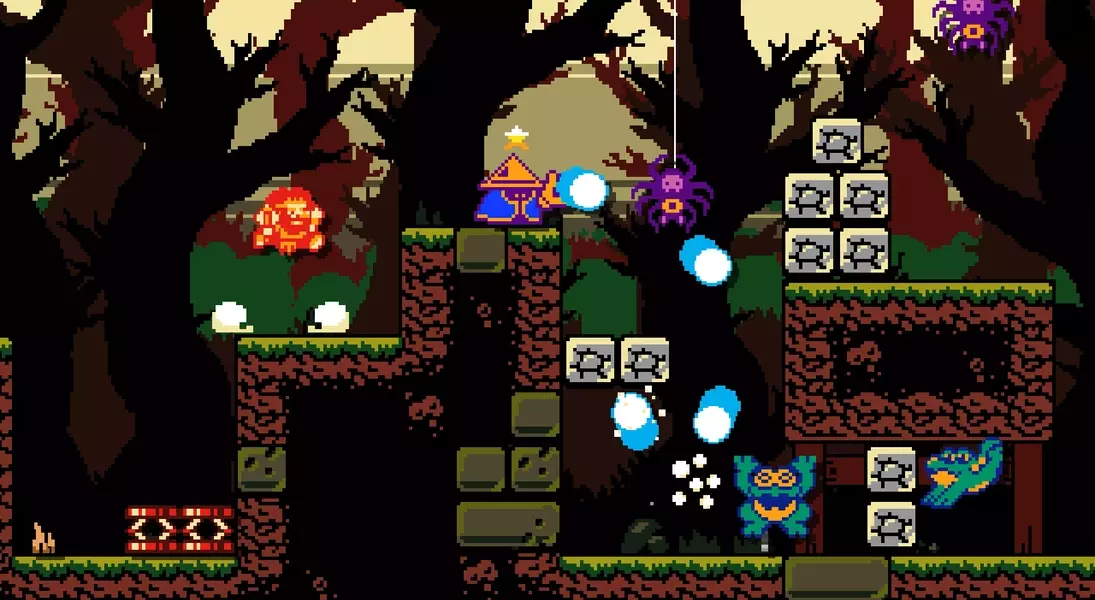
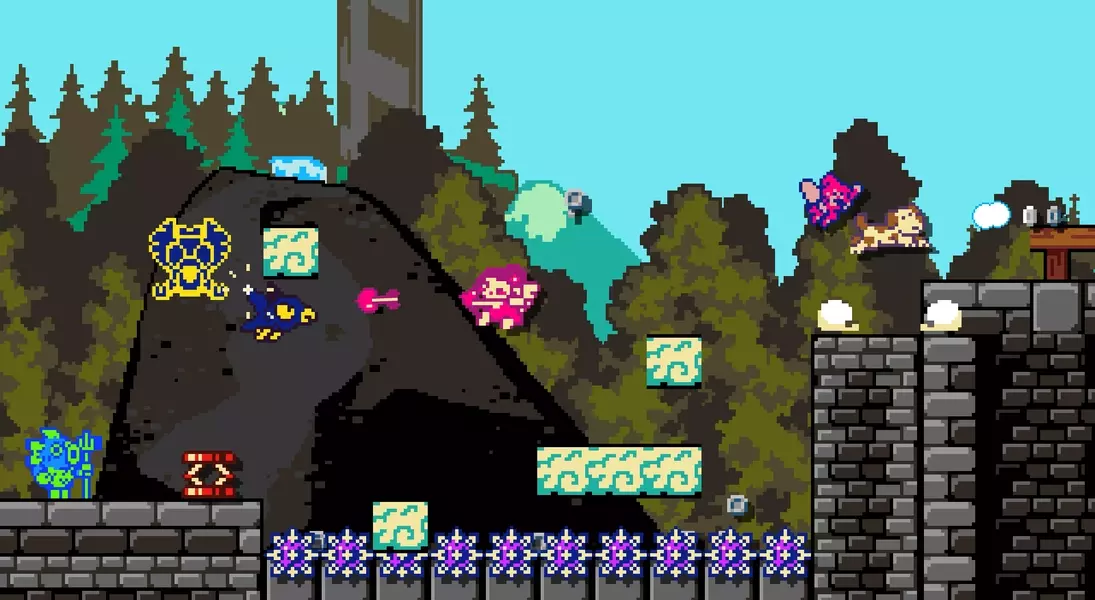
In an unexpected display of industry camaraderie, Doinksoft opted to reschedule the release of its new title, 'Dark Scrolls,' from May 28 to June 22. This decision was a direct response to Yacht Club's 'Mina the Hollower' launching on May 29, a game that shares a similar retro-inspired niche. Doinksoft developer Cullen Dwyer explained that while the adjustment was a minor hurdle, the studio cherishes the growth of "modern retro" games that bridge gaming's heritage with its contemporary landscape, drawing parallels from classic Zelda to the expansive worlds of Dark Souls. This collaborative approach underscores a healthy ecosystem where developers prioritize the success of the genre as a whole.
The rationale behind Doinksoft's decision was rooted in a keen understanding of their target audience and the competitive landscape. Dwyer elaborated that a simultaneous launch with a massive title like 'Grand Theft Auto 6' would not have presented the same challenge, as fans of such blockbusters often also enjoy indie games. However, within the more specialized retro indie segment, consumers might be compelled to choose between two highly anticipated releases. Recognizing 'Mina the Hollower' as a significant contender on many gamers' wishlists, Doinksoft foresaw a potential substantial loss in sales if they proceeded with their original date, emphasizing that their games occupy the same distinct market segment.
Despite its name, 'Dark Scrolls' doesn't draw inspiration from the 'Dark Souls' series; its title originated from a humorous internal suggestion. Dwyer clarifies that any perceived connection to FromSoftware's titles is more subconscious, a reflection of how 'Dark Souls' has influenced the broader gaming world by fostering a greater acceptance for challenging experiences and player mortality within games. This shared appreciation for the underlying principles of classic gaming, where difficulty and player learning are central, is also evident in Yacht Club's approach. Doinksoft sees 'Mina the Hollower' as an explicit bridge between Game Boy-era aesthetics and Soulslike mechanics, a connection that is retrospectively clear but creatively audacious. This mutual respect and support between developers illustrate a thriving independent gaming scene where collaboration enriches the creative output for everyone.
This cooperative spirit within the independent game community, where studios support each other's ventures rather than engaging in fierce competition, is truly inspiring. It fosters an environment where diverse interpretations of classic gaming aesthetics and design principles can flourish, leading to a richer and more varied experience for players. This collaborative ethos not only strengthens the indie game sector but also drives innovation and ensures that unique, thoughtfully crafted games continue to emerge and captivate audiences worldwide.
