The recent Game Awards ceremony concluded with an unexpected spotlight on 'Highguard,' a new Player-versus-Player (PvP) raid shooter developed by Wildlight Entertainment. This reveal, presented as the grand finale of the event, aimed to introduce a fresh title from a studio comprising seasoned developers from 'Apex Legends' and 'Titanfall.' However, despite the high expectations set by host Geoff Keighley, the game's initial reception has been overwhelmingly negative, sparking considerable debate within the gaming community about its originality and potential impact on the genre.
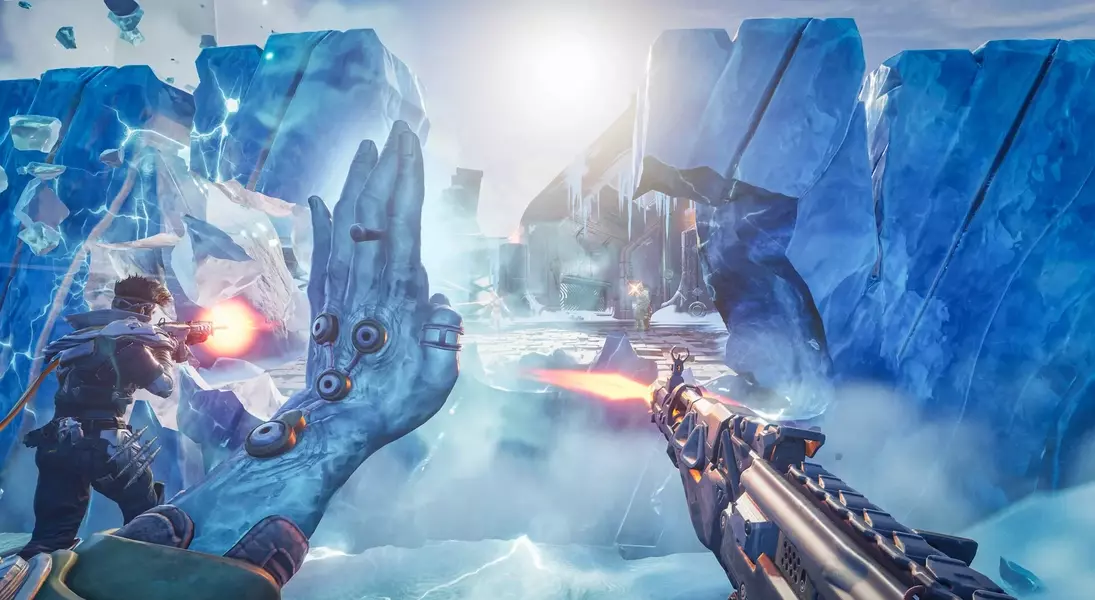
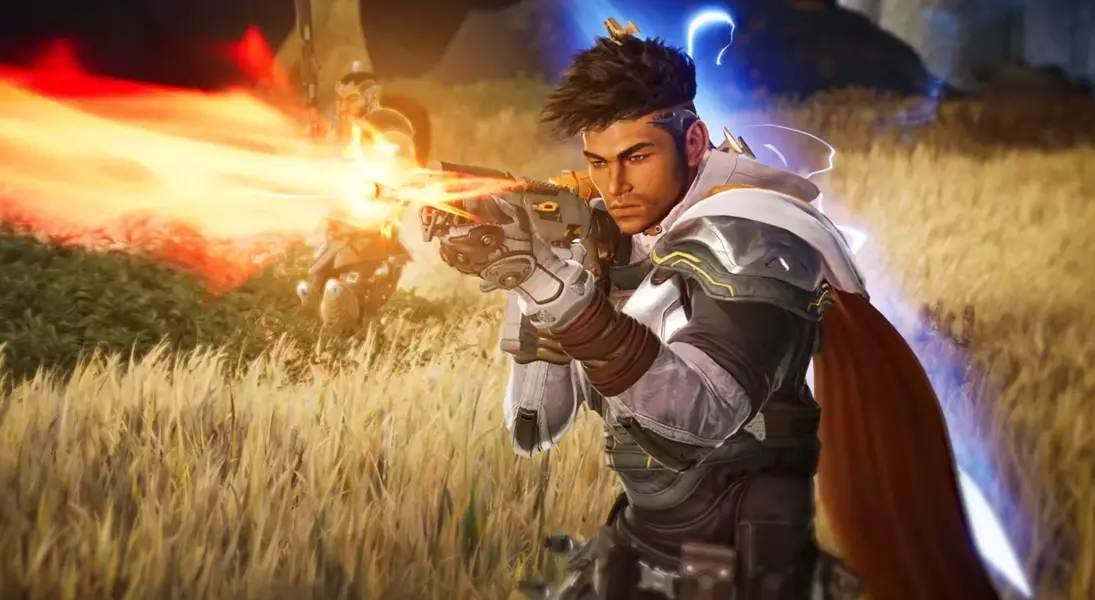
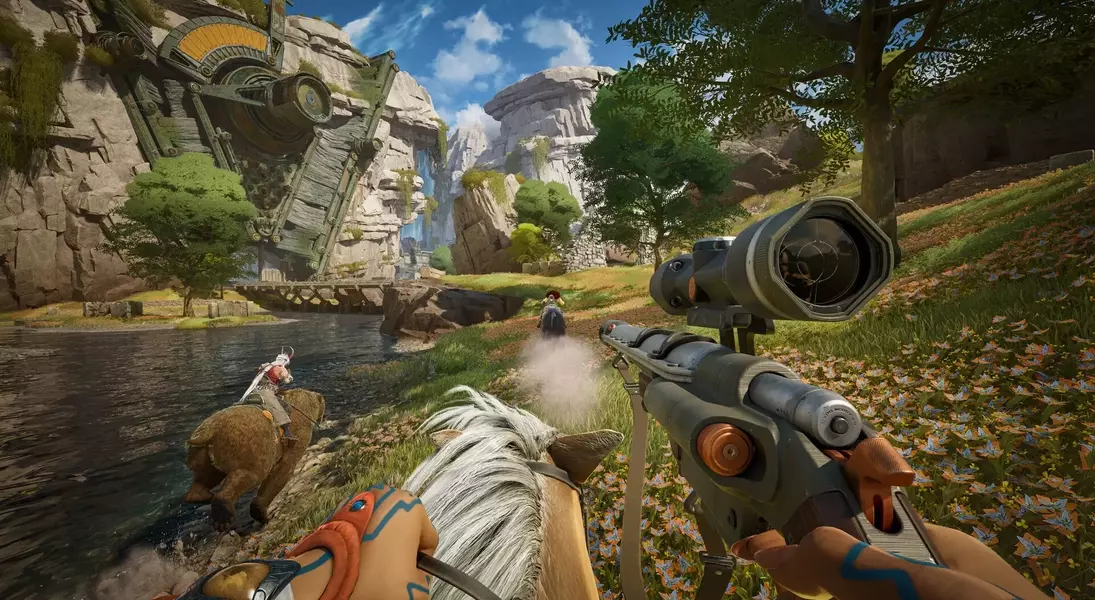
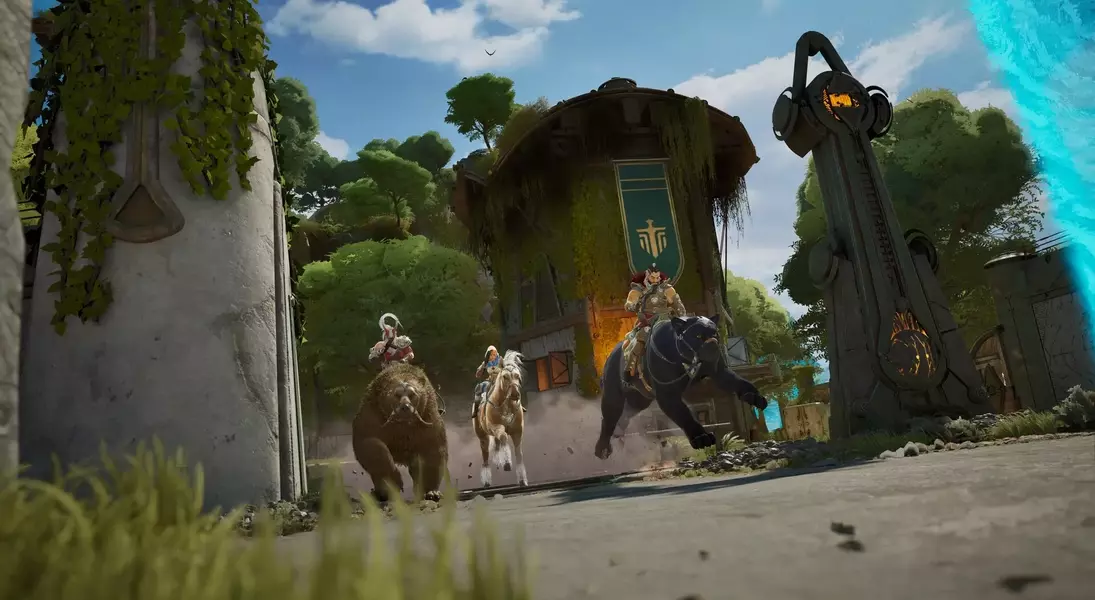
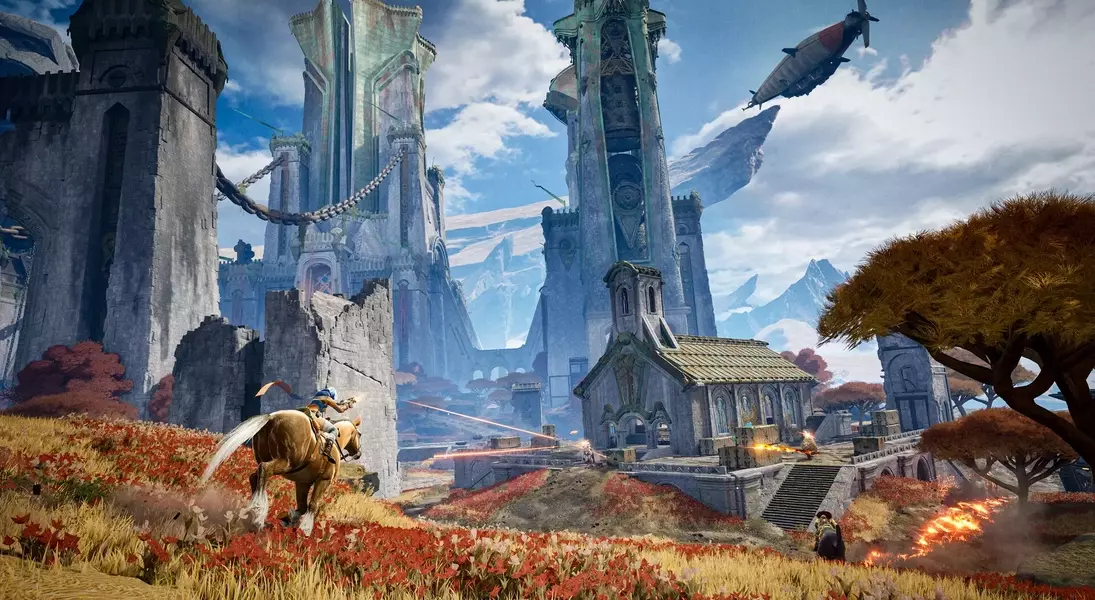
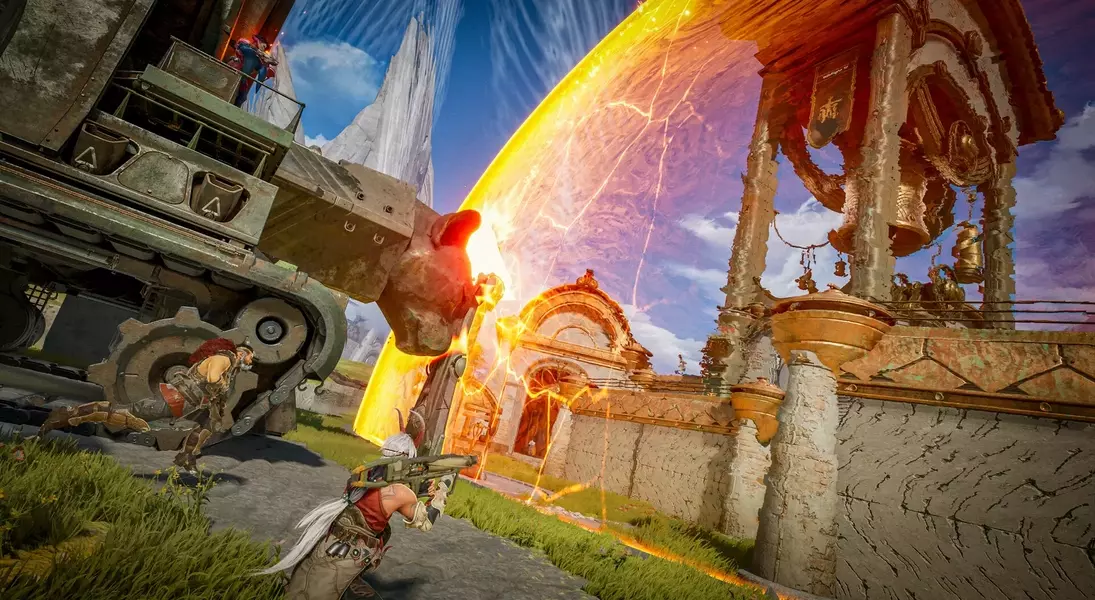
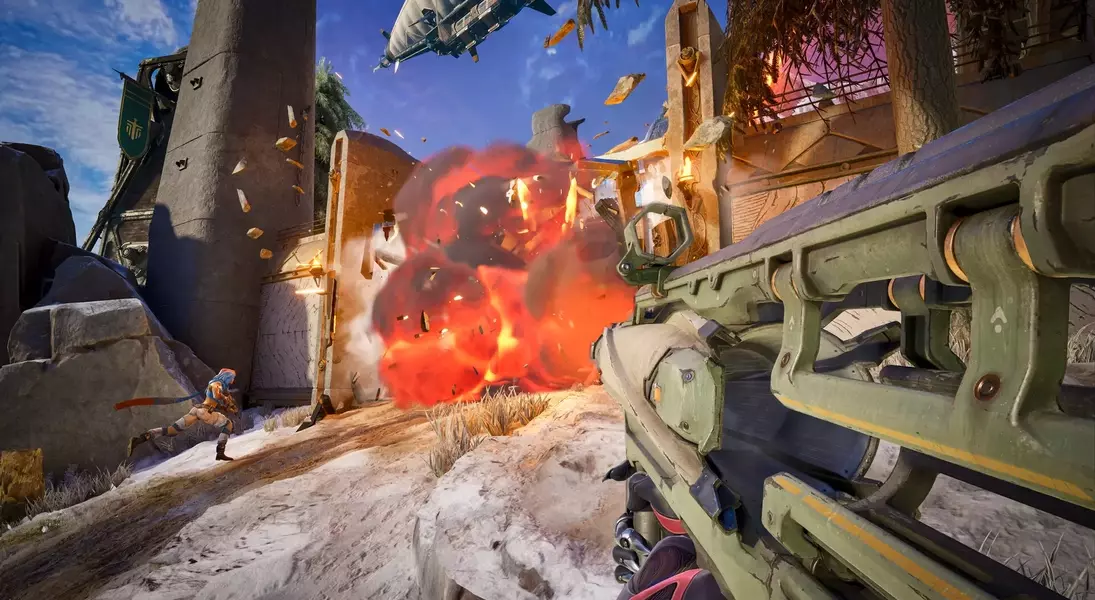
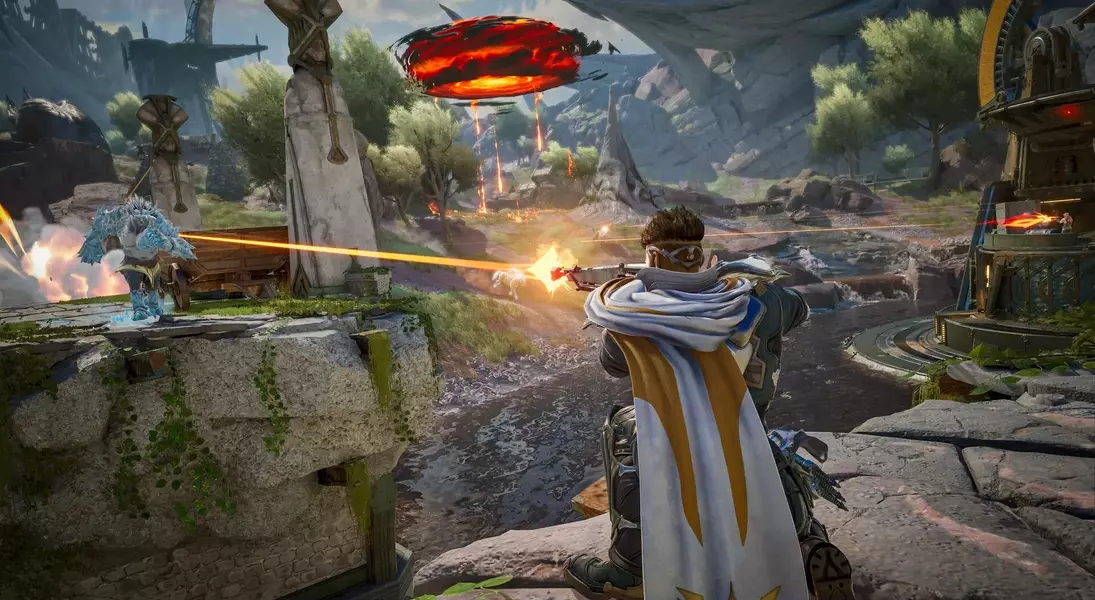
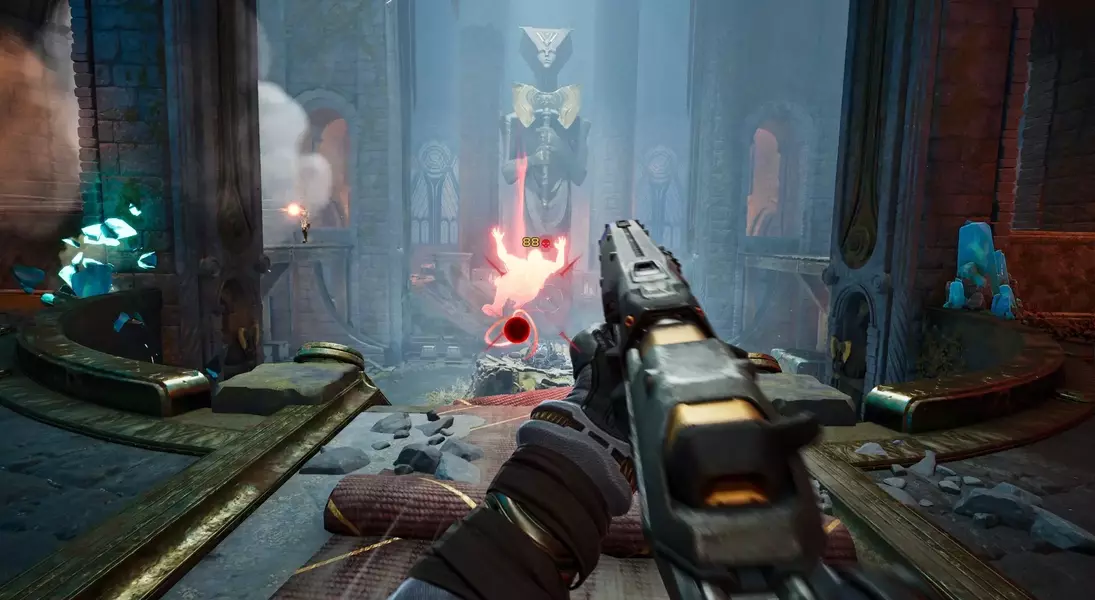
Wildlight Entertainment, boasting a team with significant experience from acclaimed franchises like 'Titanfall,' 'Apex Legends,' and 'Call of Duty,' presented 'Highguard' as a game poised to advance the shooter genre. Geoff Keighley's enthusiastic introduction emphasized the studio's clandestine four-year development period and its readiness for an imminent launch, portraying it as a testament to the power of independent studios. The game is described as a PvP raid shooter where players embody 'Wardens,' mystical gunslingers battling for control of a fabled continent, engaging in combat for the 'Shieldbreaker' and assaulting enemy strongholds to secure dominance.
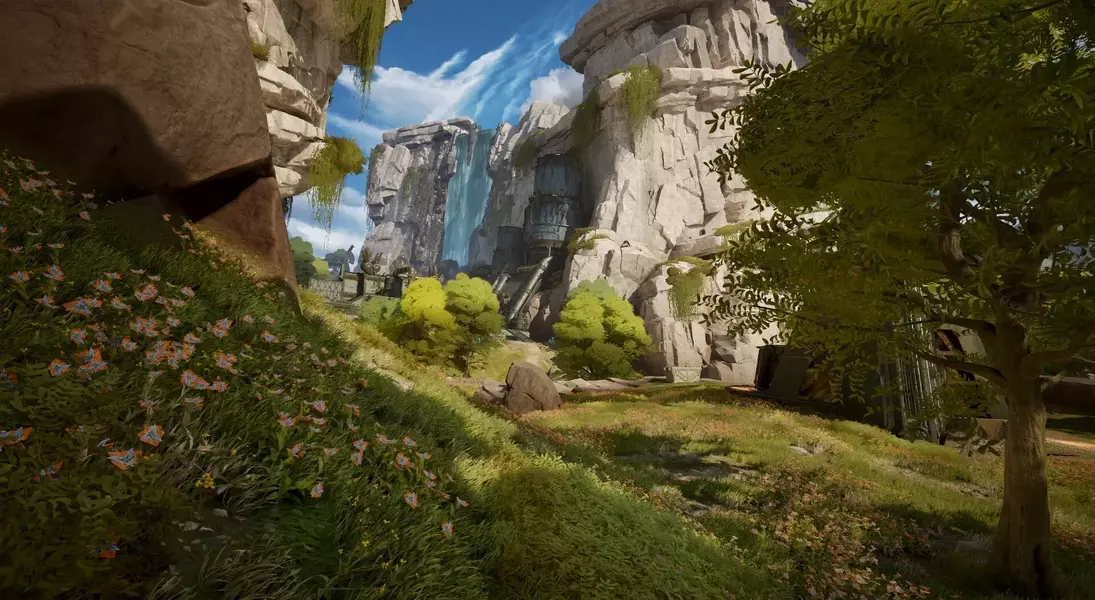
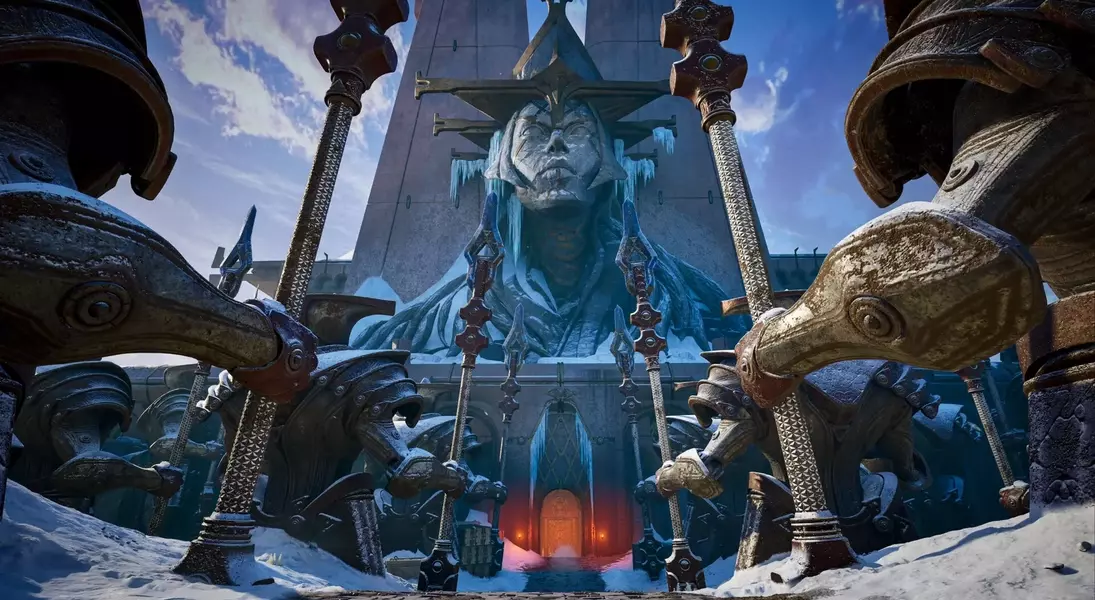
Despite the pedigree of its developers and the dramatic presentation, the reveal trailer and the game's accompanying Steam page have largely failed to captivate audiences. Many viewers have found 'Highguard's' visual style and gameplay elements to be generic, lacking distinct features that would differentiate it from the multitude of team-based PvP shooters already saturating the market. Critics pointed out similarities to existing games, with some likening its elements to 'Destiny' and expressing profound disinterest in its character designs and dialogue. The community's sentiment is visibly reflected in the disproportionate number of dislikes on its YouTube announcement videos, far outweighing the likes.
The negative public response has led to comparisons with 'Concord,' another recently announced hero shooter that failed to generate enthusiasm. This unfavorable juxtaposition highlights a concern among players that 'Highguard' might suffer a similar fate, struggling to find a dedicated player base. For long-time fans of 'Titanfall,' the reveal was particularly disappointing, as some had harbored hopes for a spiritual successor to their beloved franchise, only to be met with a game that, to many, felt uninspired and derivative. The general consensus among many is that 'Highguard' appears to be a product of outdated trends in game development, arriving years after the peak popularity of hero shooters.
While it remains possible for 'Highguard' to refine its offerings and achieve success, much like 'Marvel Rivals' did in carving its niche, the initial reaction suggests a challenging road ahead. The game is slated for a free-to-play launch on Steam on January 26, which will be the true test of whether it can overcome the skepticism generated by its debut at the Game Awards and establish itself as a noteworthy title in the crowded shooter landscape. The weight of expectations, combined with the game's perceived lack of innovation, places significant pressure on Wildlight Entertainment to deliver an experience that can genuinely resonate with players.
