
The unveiling of The Game Awards 2026 nominations has generated widespread conversation, particularly concerning several high-profile games and categories where deserving titles were overlooked. While the lists featured expected nominations for major releases such as Grand Theft Auto 6, Resident Evil Requiem, and The Legend of Zelda: Ocarina of Time, a significant portion of the discourse revolves around those games that didn't make the cut. A notable event this year is the conclusion of PlayStation's impressive 11-year streak of securing Game of the Year nominations for its first-party titles, with "Marvel's Wolverine" failing to reach the top tier.
Beyond the Game of the Year category, other perceived snubs include the lack of a Best Performance nomination for Jimmie Yamaguchi in "Fire Emblem: Fortune's Weave," despite critical acclaim for his portrayal. Similarly, "World of Warcraft," after a substantial year of updates and a reimagined Classic experience, surprisingly missed out on Best Ongoing Game and Best Community Support. The popular farming simulator "Fields of Mistria," boasting overwhelming positive reviews on Steam, received no nominations whatsoever. "Crimson Desert," an open-world adventure with a large online following, only secured a single nomination for Best Community Support. Bungie's "Marathon" was recognized for Best Multiplayer but notably overlooked in Best Art Direction, perhaps influenced by a prior plagiarism incident. Finally, 2026 stands out for the complete absence of independent games in the Game of the Year category, a stark contrast to previous years that saw multiple indie titles competing for the top honor. The awards ceremony is scheduled for December 10th.
The highly anticipated nominations for The Game Awards 2026 have recently been unveiled, setting the stage for an evening of celebration and, as always, spirited debate. While perennial favorites such as the expansive Grand Theft Auto 6, the chilling Resident Evil Requiem, and the beloved remake of The Legend of Zelda: Ocarina of Time predictably secured their places, the announcement has notably highlighted a series of unexpected omissions that have left many in the gaming community surprised.
One of the most striking developments this year is the conclusion of a remarkable era: PlayStation's decade-long unbroken streak of receiving Game of the Year nominations for its first-party releases has come to an end. After an impressive 11 years, titles like "Marvel's Wolverine," despite securing nods for Best Performance and Innovation in Accessibility, did not achieve the ultimate GOTY recognition, marking a significant shift for the console giant.
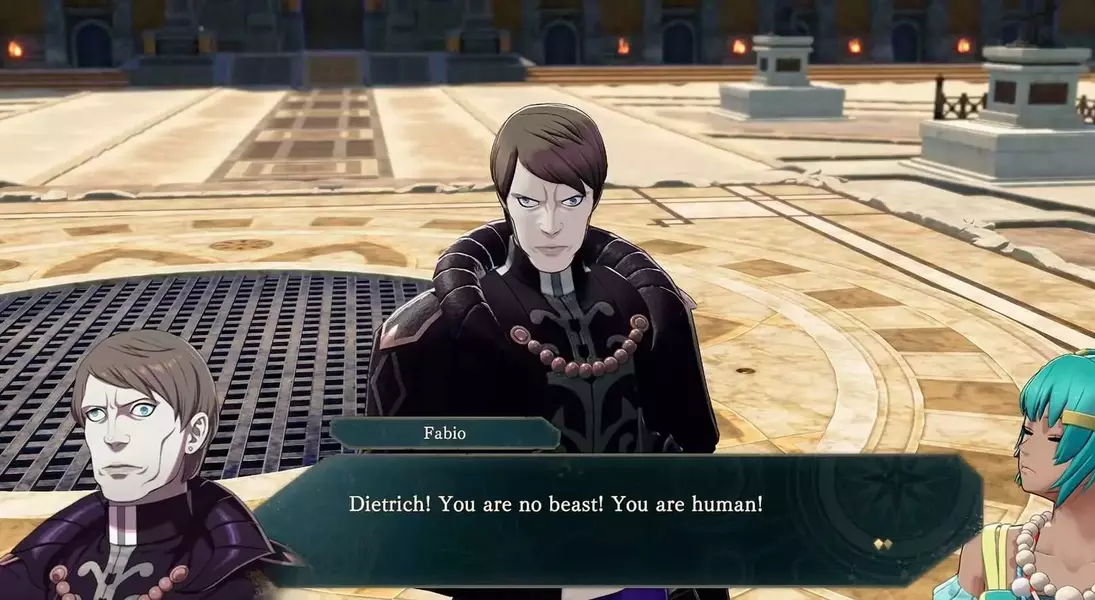
In the realm of individual brilliance, the category for Best Performance saw notable contenders, yet many critics and fans observed the absence of Jimmie Yamaguchi, whose portrayal of the endearing scholar Fabio in "Fire Emblem: Fortune's Weave" was lauded for its heartfelt depth and sincerity, particularly in depicting a budding romance. Meanwhile, Manni L. Perez garnered a nomination for her role, presumably as Lucia Caminos in Grand Theft Auto 6, though official confirmation from Rockstar Games remains pending.
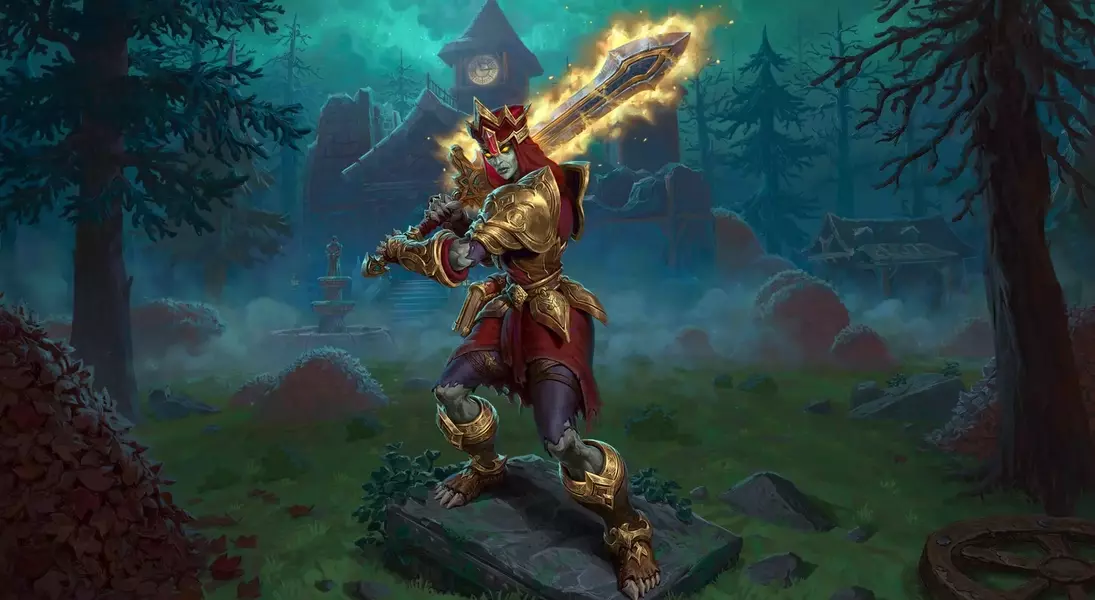
The segment for Best Ongoing Game also brought surprises, with Blizzard Entertainment's "World of Warcraft," a perennial giant, conspicuously missing from the list. Despite a monumental year that included the launch of its reimagined "World of Warcraft: Forever" Classic experience and significant updates like the "Midnight" expansion for its modern iteration, these efforts were seemingly insufficient to sway voters. The game also failed to earn a nomination for Best Community Support.
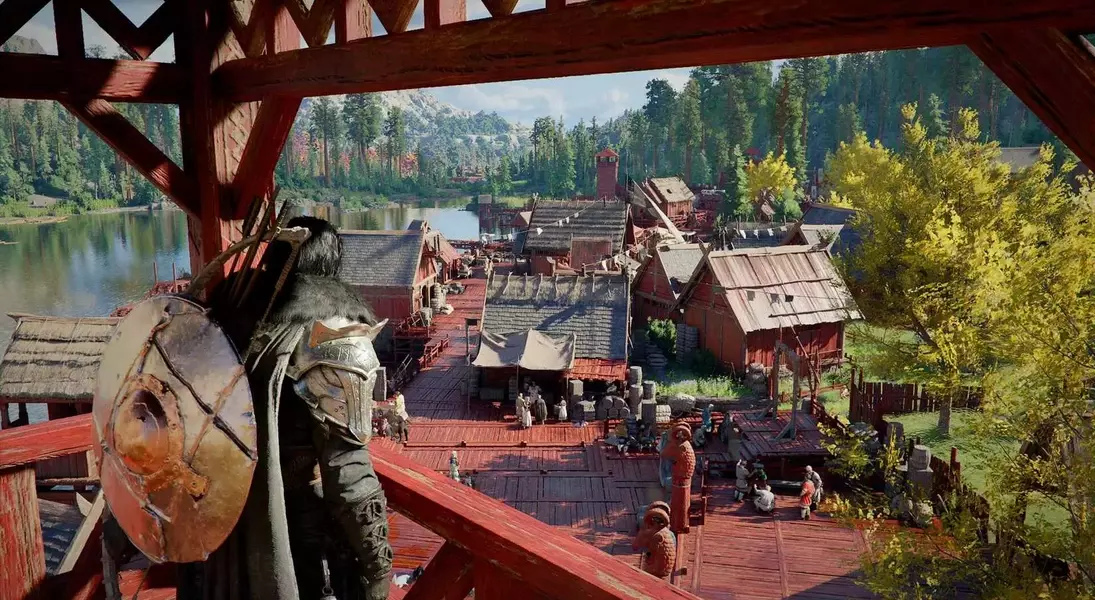
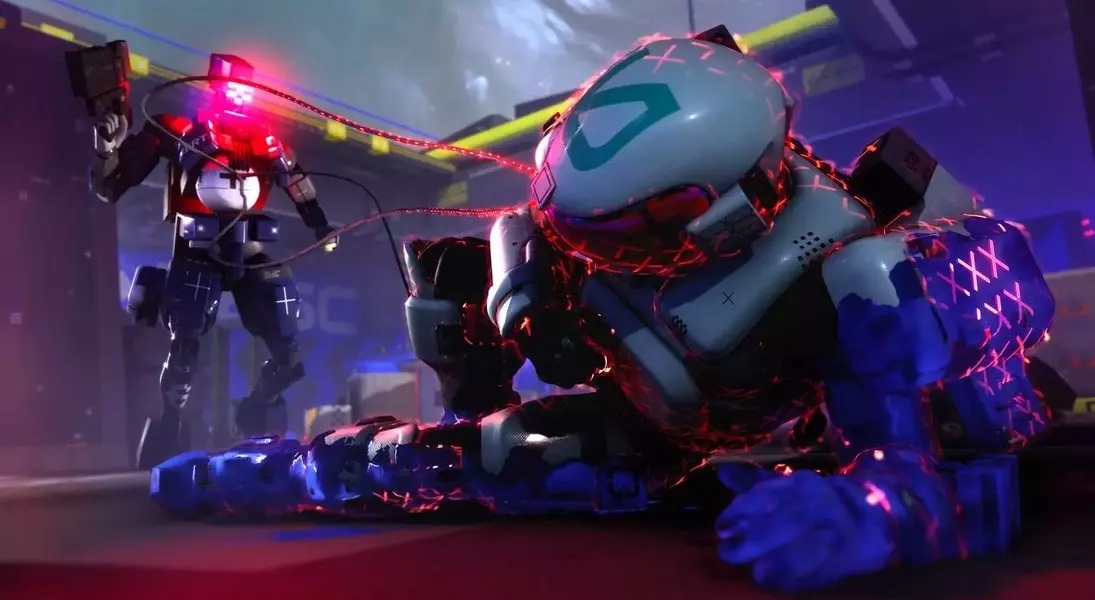
Independent gaming titles, often celebrated for their innovation, faced a tough year for top-tier recognition. The beloved farming simulation "Fields of Mistria," which amassed over 26,000 "overwhelmingly positive" reviews on Steam since its full release, was entirely overlooked across all categories, including Best Debut Indie and Best Sim/Strategy. Similarly, Pearl Abyss's open-world adventure "Crimson Desert," initially seen as a strong GOTY contender despite a challenging launch, found itself vying only for Best Community Support. Bungie's "Marathon," a stylish extraction shooter, secured a nomination for Best Multiplayer Game but was surprisingly absent from the Best Art Direction category, perhaps shadowed by a past plagiarism controversy regarding its visual assets.
Perhaps the most significant broader trend observed was the complete absence of independent games from the highly coveted Game of the Year shortlist for 2026. This starkly contrasts with the previous year, 2025, which saw an unprecedented three indie titles—"Hades 2," "Hollow Knight: Silksong," and "Clair Obscur: Expedition 33"—competing for the ultimate prize, with Sandfall Interactive's RPG ultimately claiming the top honor. The awards ceremony itself is slated to be broadcast live on various platforms, including Disney+, YouTube, and Twitch, on Thursday, December 10th, commencing at 7:30 p.m. EST / 4:30 p.m. PST, promising an evening of both triumph and reflection on the year's gaming achievements.
As the gaming industry evolves, The Game Awards serve as a crucial barometer of critical and popular acclaim. This year's nominations, while celebrating many deserving titles, also cast a spotlight on the inherent challenges of such a competitive landscape. The omission of several highly praised games and the end of long-standing streaks like PlayStation's GOTY run remind us that excellence is subjective and often hotly contested. It also underscores the immense talent within the indie sector, whose absence from the top category this year raises questions about representation and the criteria for elite recognition. Ultimately, these "snubs" ignite passionate discussions among players and critics alike, reaffirming the vibrant, opinionated community that drives the world of video games forward, constantly debating what truly constitutes the pinnacle of interactive entertainment.
