
Gabe Newell, the prominent figure behind Valve, once expressed skepticism about Steam's long-term dominance in the digital distribution landscape. In a 2011 discussion, he cautioned against assuming that current success would guarantee future relevance, suggesting that rapid industry changes, exemplified by phenomena like the Wii and social gaming, could quickly render established platforms obsolete. He foresaw a future where competitors, such as EA's then-emerging Origin platform, might outpace Steam, emphasizing the need for constant innovation to remain valuable.
The Enduring Power of Steam: A Look Back at a Prophecy Unfulfilled
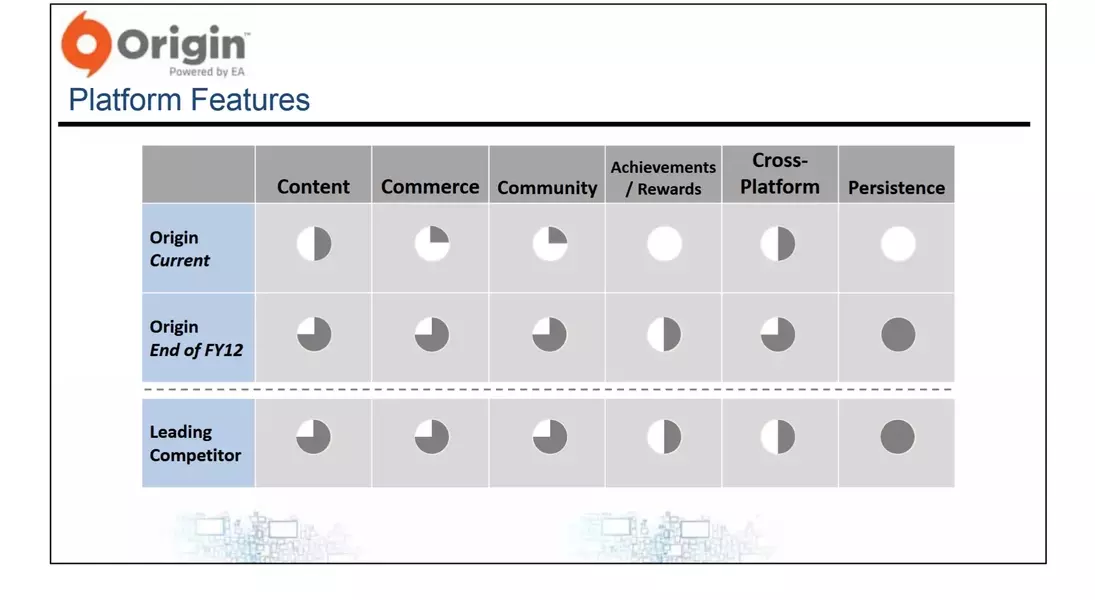
In a notable interview from 2011, Valve's co-founder, Gabe Newell, articulated his views on the ephemeral nature of success within the rapidly evolving gaming industry. He pointed out that every few years, new innovations and trends could dramatically reshape the market, making it perilous for any platform, including Steam, to become complacent. His comments came at a time when Electronic Arts (EA) was aggressively promoting its own digital storefront, Origin, as a direct rival to Steam. EA even presented a detailed comparison chart in a quarterly financial report, highlighting Origin's features against those of its 'leading competitor,' a thinly veiled reference to Steam. Furthermore, EA began removing some of its titles, like Crysis 2, from Steam, citing 'policy conflicts,' which many observers interpreted as a strategic move to bolster Origin. Responding to these developments, Newell acknowledged the competitive pressure, stating Valve's commitment to creating value for its partners, including EA, Ubisoft, and Take-Two, to ensure their games remained on Steam. He emphasized that the platform's success hinged on continuously demonstrating its worth to developers and publishers.
Newell's foresight, while astute in recognizing the industry's dynamic nature, ultimately diverged from the actual trajectory of Steam. Despite his predictions and the emergence of numerous challengers, Steam has not only maintained its stronghold but has grown exponentially. Over the subsequent decade, many of the very publishers who sought to establish independent platforms, including EA, Activision, and Ubisoft, eventually brought their games back to Steam. Even formidable entities like Amazon, with their own ambitious gaming ventures, struggled to compete effectively with Valve's established ecosystem. Steam has consistently broken new records for concurrent users, now routinely exceeding 42 million, and continues to expand its vast library with thousands of new titles annually. This enduring success is particularly remarkable given Steam's steadfast adherence to its 70/30 revenue split with developers, a model that, while sometimes criticized by developers, underscores the platform's undeniable appeal and value proposition. The platform's resilience and continued growth suggest that, contrary to initial concerns, Steam has indeed proven to be a definitive answer in the realm of digital game distribution.
