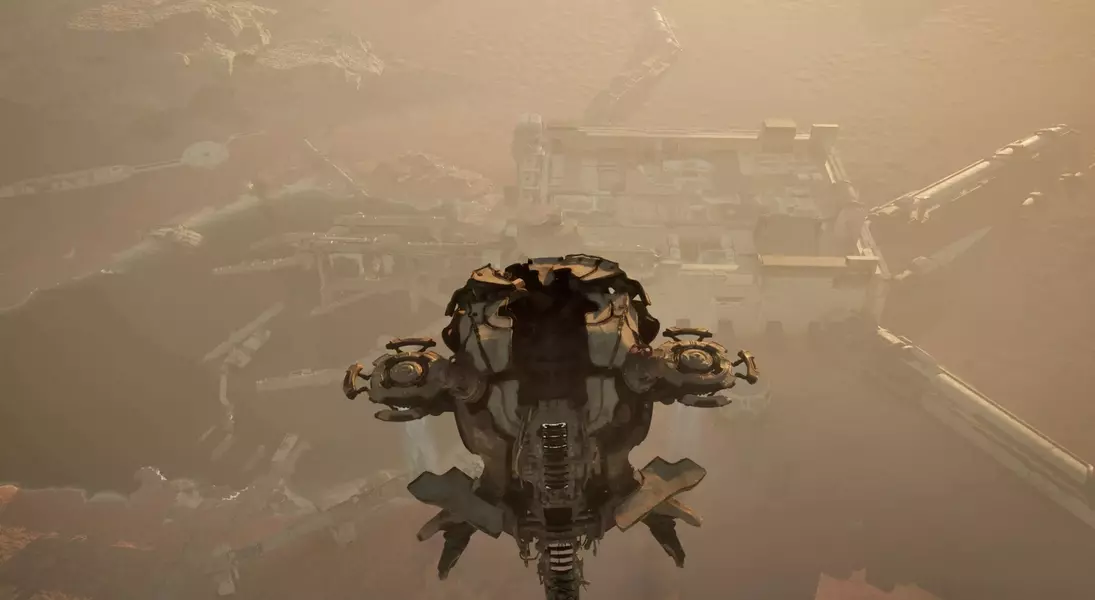
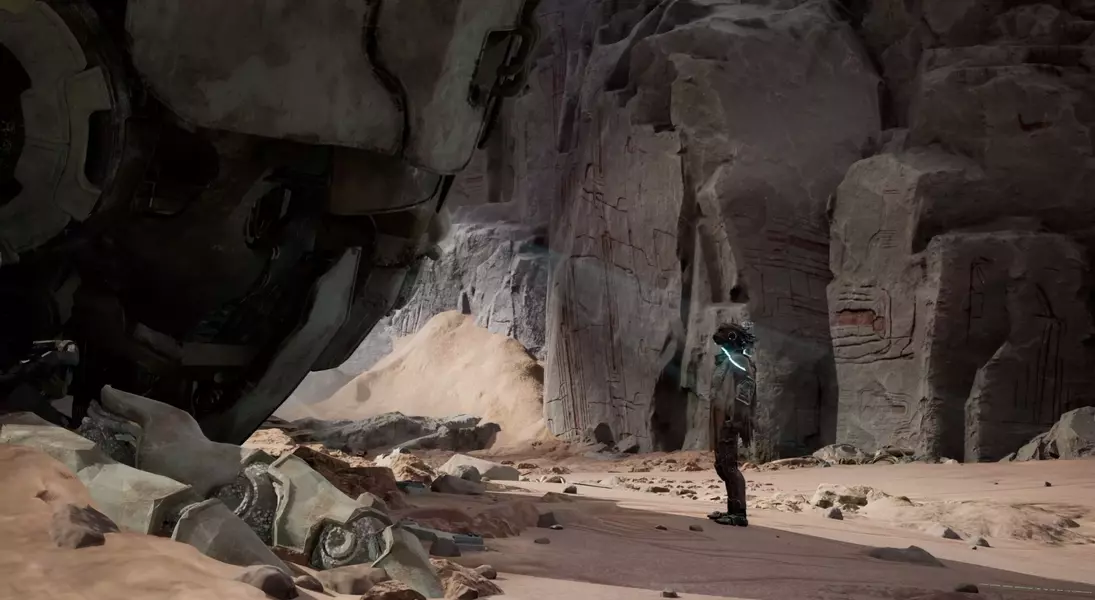
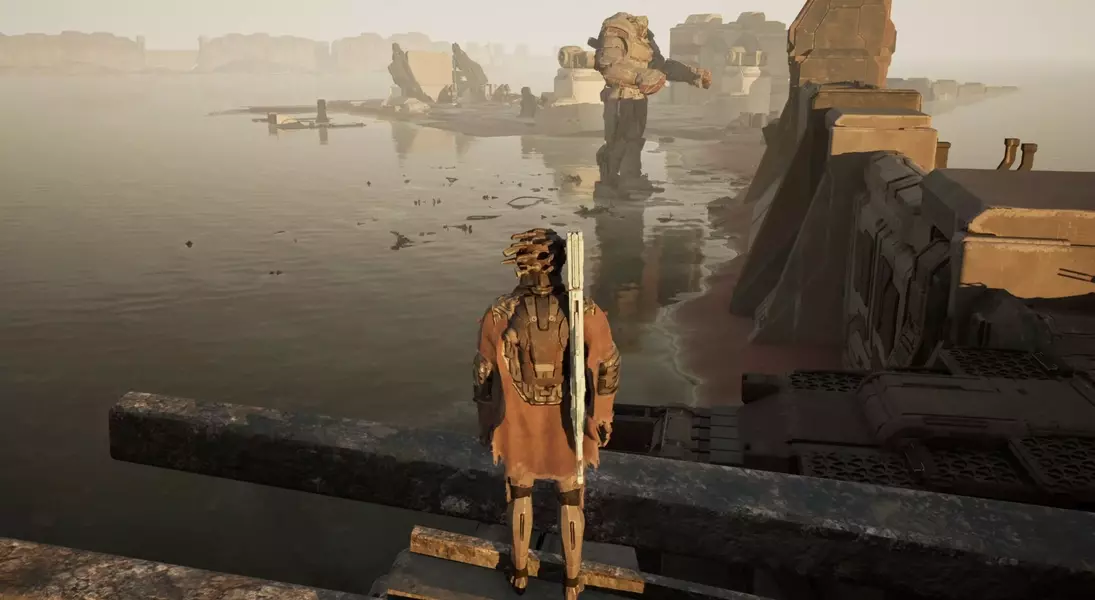
Fumito Ueda, the revered creator of iconic titles such as Shadow of the Colossus and Ico, has unveiled his latest venture, Gen Atlas. Originally known as Project Robot, this new game from his independent studio, Gen Design, stems from a simple yet profound concept: giant robots. Ueda revealed in a recent interview that he sought a universally relatable theme, finding inspiration in his early life growing up in Japan, where towering mechanical beings were a pervasive cultural presence across television, manga, and advertisements. He hopes players will resonate with this pervasive imagery, recalling the power fantasies and wonder associated with piloting immense machines, even if no single work of fiction particularly influenced him. Instead, it was the ubiquitous presence of giant robots as a science-fiction archetype that sparked the creative fire for Gen Atlas, aiming to evoke a collective sense of nostalgia and connection among players.
Gen Atlas diverges from some gameplay aspects of Ueda’s previous works, aiming to refine the player experience by eliminating what he termed “tedious” elements. While maintaining his distinctive artistic vision and emotional storytelling, the game introduces a more proactive protagonist compared to the often-inexperienced heroes of his past titles. The narrative, though still deeply philosophical and open to interpretation, may offer more explicit on-screen guidance than the abstract nature often seen in his earlier games. Ueda likens his storytelling process not to traditional scripts but to haikus, where evocative keywords and visual cues guide the development, allowing for multiple meanings and player interpretations, ensuring a rich and engaging experience that focuses on emotional bonds and dynamic interaction within a grand, mysterious world.
The Evolution of Companion Mechanics in Gen Atlas
In Gen Atlas, players embody a lone pilot awakening on an uncharted world filled with monumental structures, abandoned facilities, and an ever-shifting oceanic landscape. This desolate planet is also home to colossal, inert robots, which the player will eventually command. A central innovation in Gen Atlas's companion system involves a detached robot head, a departure from the living, breathing companions seen in Ueda's prior creations like the young girl in Ico, the steed in Shadow of the Colossus, or the chimeric creature in The Last Guardian. This mechanical head is not merely a static object but evolves into a multifaceted partner, serving various purposes throughout the player's journey.
Ueda elaborates that the robot head functions as a navigator, a mode of transport, and a crucial tool for solving puzzles and engaging in combat. He emphasizes that while the protagonist wields a powerful weapon, Gen Atlas is not primarily a shooting game. The core gameplay revolves around reconnecting this head to a robot body, unlocking new opportunities and challenges. This unique companion is designed to foster a profound, functional, and emotional partnership with the player, challenging traditional notions of companionship in gaming. Ueda anticipates that players will form their own interpretations of this bond, focusing on the dynamic interaction between the two entities and the sense of shared purpose they develop, extending the emotional resonance that characterized his previous works into a new, mechanized context.
Refining Gameplay and Narrative Through Innovative Design
Fumito Ueda acknowledges the parallels between Gen Atlas and his past triumphs, particularly Shadow of the Colossus, noting the shared thematic elements of a solitary hero navigating an expansive, desolate land and interacting with colossal entities. However, Ueda is committed to refining the gameplay experience based on insights gained from his earlier titles. He specifically aims to eliminate “tedious” elements, citing the often repetitive and time-consuming climbing sequences in Shadow of the Colossus as an example of what he seeks to improve. In Gen Atlas, this commitment translates into more streamlined mechanics, such as utilizing launch pads to quickly scale giant robots, as showcased in the game’s reveal trailer. This approach ensures that players encounter exhilarating and entertaining methods of progression rather than monotonous tasks, offering multiple dynamic pathways to achieve objectives and explore areas.
Furthermore, Ueda’s storytelling methodology in Gen Atlas represents a subtle but significant evolution. While maintaining his signature ambient and enigmatic narrative style, he indicates that Gen Atlas will feature more explicit on-screen storytelling than his previous works. This doesn't mean abandoning his unique approach, which he describes as akin to writing haikus rather than extensive manuscripts. Instead, his team relies on evocative keywords, visuals, and environmental cues that allow for multiple interpretations and activate collective creativity. This process generates a rich, layered narrative that resonates deeply with players, emphasizing emotional depth and intellectual engagement over explicit exposition. The game's title itself reflects this layered meaning: "Gen" from Gen Design, signifying genesis and generation, and "Atlas," referencing both a vast, unexplored map and the anatomical support for the head, symbolizing the universe-building ambition of the project. Though no release date has been set, Gen Atlas is slated for PlayStation 5, Windows PC, and Xbox Series X.
