
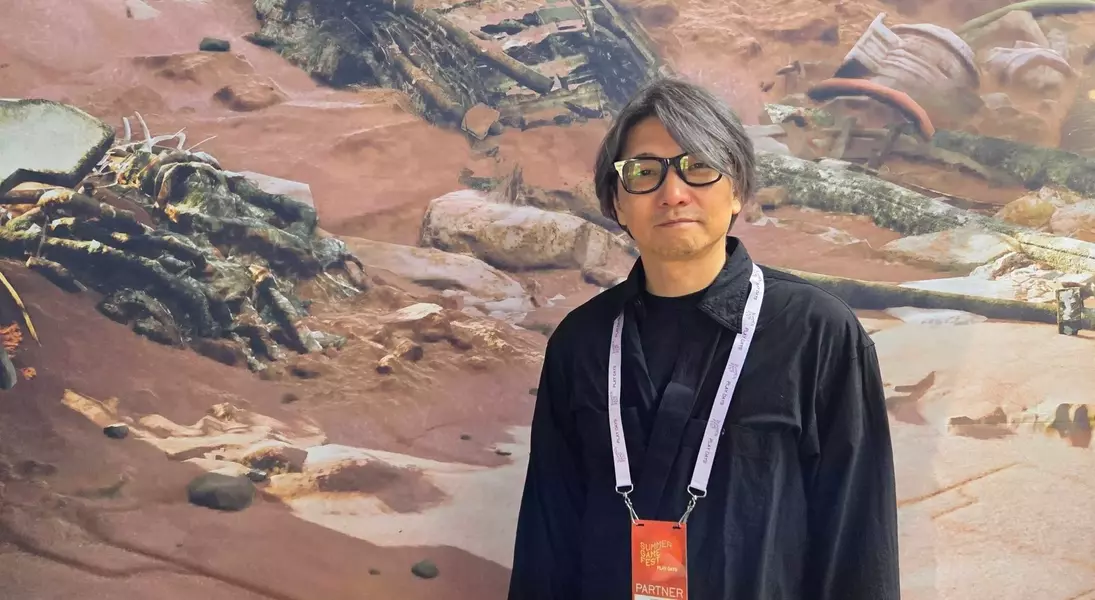
Fumito Ueda, celebrated for his distinctive narrative and artistic vision in games like 'Ico' and 'Shadow of the Colossus,' offers insights into his latest creation, 'Gen Atlas.' This article delves into his philosophy of game development, the unique challenges and mechanics presented in 'Gen Atlas,' and his studio's cautious yet innovative stance on integrating artificial intelligence into their creative process.
Unveiling the Vision: Fumito Ueda's Approach to Game Design
A Glimpse into 'Gen Atlas': First Impressions and Lingering Questions
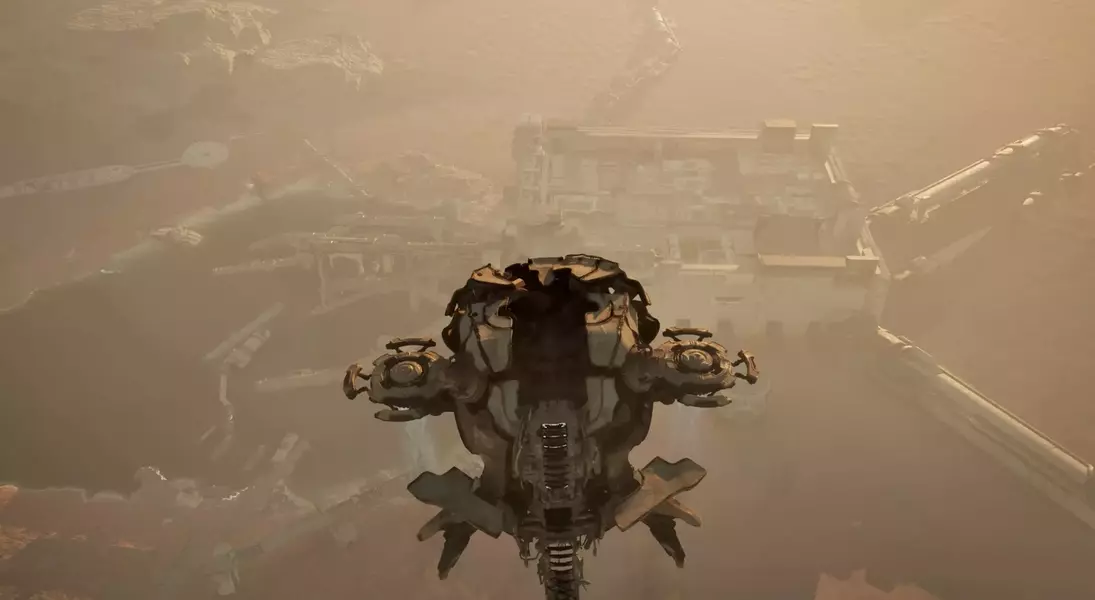
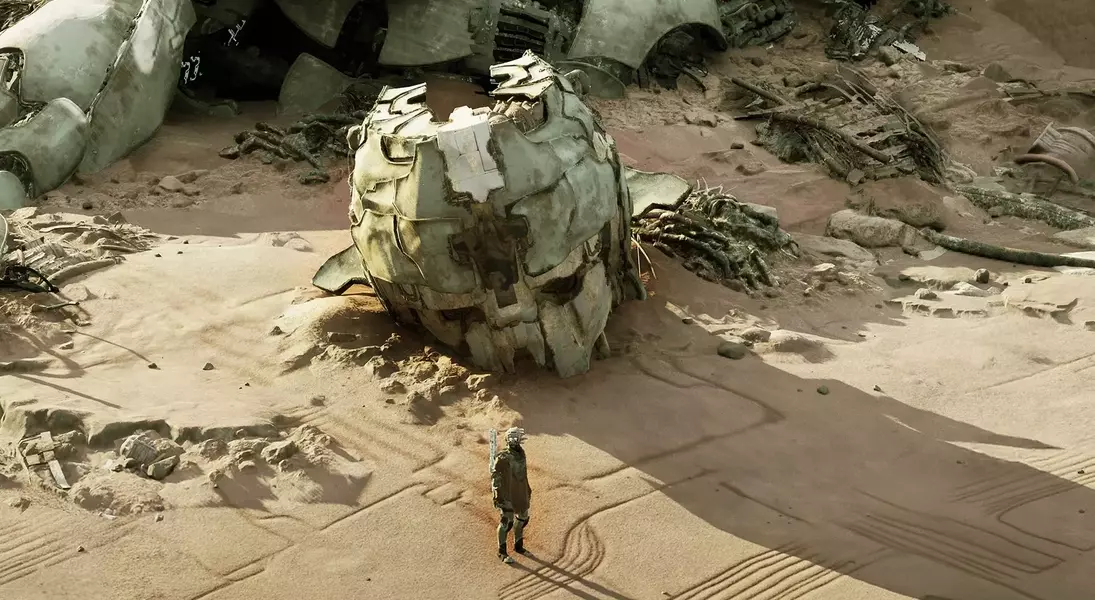
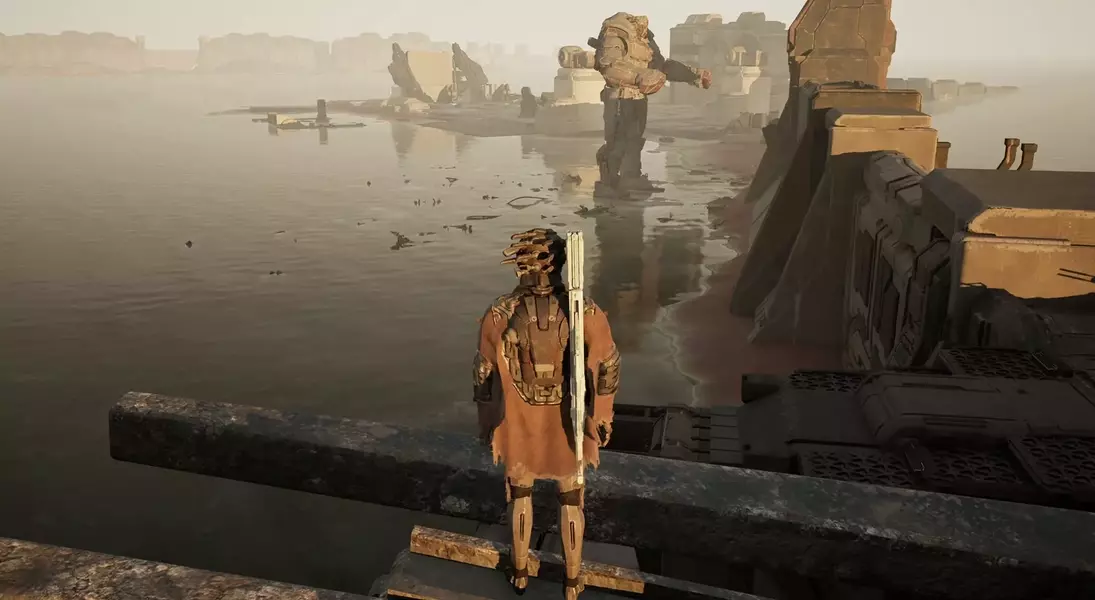
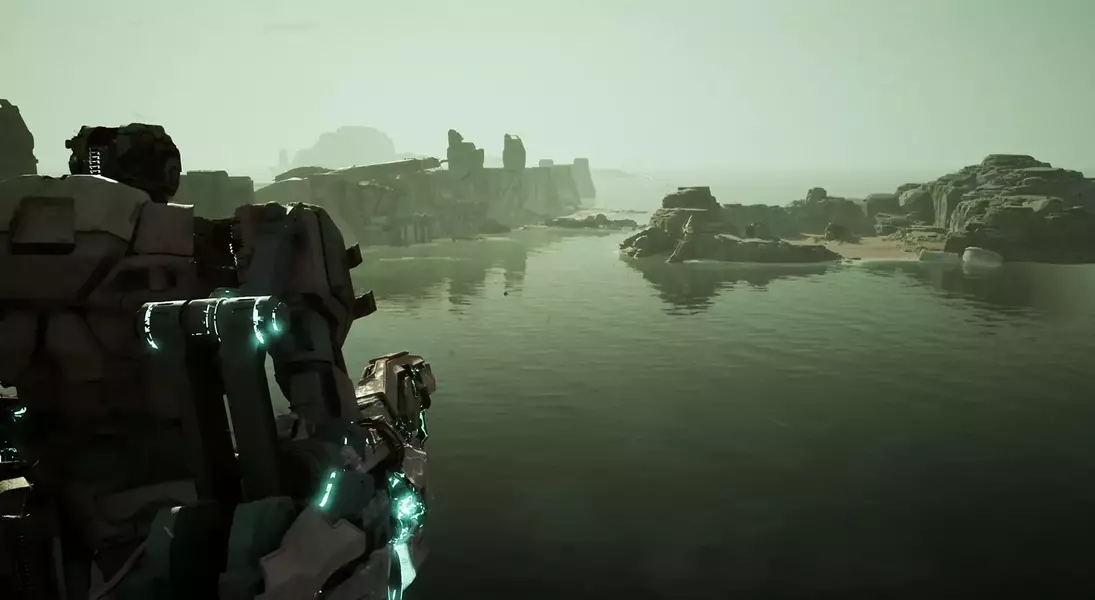
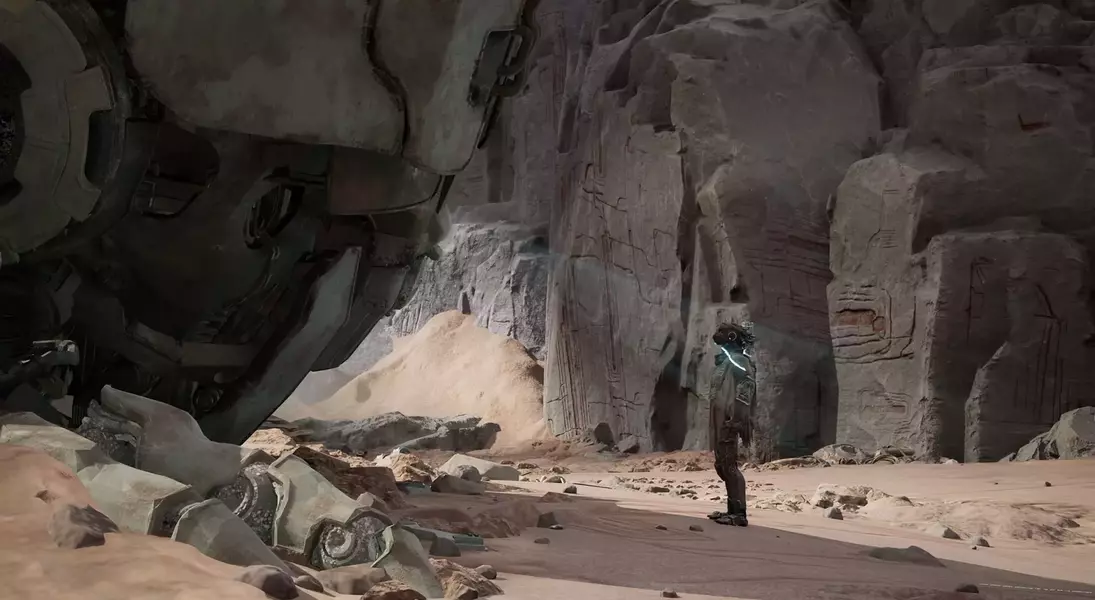
After a limited preview of 'Gen Atlas,' Fumito Ueda's first new title in a decade, new footage showcased the silent protagonist traversing a desert, encountering massive robots, and engaging in some shooting sequences. The brief glimpse, while intriguing, primarily raised more questions about the game's unfolding narrative and mechanics, setting the stage for a deeper conversation with its esteemed creator.
Defining the Essence of a 'Fumito Ueda Game'
Ueda articulated that a true 'Fumito Ueda game' must offer a distinctive and unparalleled experience within the market. This uniqueness, however, must be harmoniously integrated with the overall gameplay. Furthermore, he believes such an experience should be intrinsically tied to the medium of video games, presenting something that could only be brought to life through this interactive art form.
The Evolution of Cinematic Storytelling in Games
Reflecting on his past success with 'Shadow of the Colossus,' where he masterfully blended filmic language with interactive gameplay, Ueda discussed the challenge of staying ahead in an industry that has widely adopted cinematic presentation. His focus remains on delivering unexpected yet occasionally familiar experiences, meticulously refining standard game mechanics rather than merely replicating them, to ensure player engagement and enjoyment.
Innovating the Shooting Mechanic in 'Gen Atlas'
Ueda clarified that while 'Gen Atlas' features a shooting mechanic, it is not the central pillar of the game. Instead, it serves as one of several tools to overcome obstacles, emphasizing strategic progression over scoring points. He aims for players to encounter a 'healthy amount of challenge,' where mastering a new mechanic like shooting leads to a profound sense of achievement, rather than just frustrating difficulty.
The Player's Presence and Emotional Resonance
Expanding on the role of player actions, Ueda suggested that the shooting mechanic, like other gameplay elements, is designed to make the player's presence meaningful within the game world. Drawing parallels to 'Ico,' where players could choose to engage or avoid enemies, he highlighted that actions in 'Gen Atlas' are intended to deepen immersion and foster a sense of existence within its universe, rather than simply fulfilling objectives.
The Enigma of the Protagonist: Humanoid Identity
Regarding the player character's nature, Ueda confirmed it is a 'humanoid' and not a human in a robot suit, deliberately maintaining an air of mystery. He noted that the towering, flying robot head seen in promotional materials is unequivocally robotic, leaving the exact identity of the protagonist as an intriguing secret for players to uncover.
Drawing Inspiration: Life Experiences and Universal Appeal
Ueda shared that his creative inspiration is deeply rooted in his life experiences and consumption of various media. For 'Gen Atlas,' the thematic starting point was the universally appealing fantasy of controlling or battling giant robots. This concept evolved into a sci-fi setting, driven by current societal discussions about robots and AI, aiming to capture broad audience interest.
AI's Role in Development: A Human-Centric Approach
Addressing the contentious topic of AI in game development, Ueda expressed his personal enthusiasm for new technologies and R&D. However, he emphasized that at Gen Design studio, AI is exclusively used for project management tasks like scheduling and summarizing, ensuring that all aspects of game development remain the creative domain of human talent. He hopes this distinction reassures fans about the authenticity of their work.
Expanding Horizons: Releasing on PC
Ueda conveyed his excitement about 'Gen Atlas' being his first game released beyond PlayStation platforms, making it accessible to a wider PC audience from day one. He believes that both console and PC players share a common desire for fresh and innovative gaming experiences, and he is eager to deliver something novel to this expanded player base.
The Enigmatic Sand: Environmental Storytelling
Intriguingly, Ueda became animated when asked about the game's sand, revealing that it plays a significant role beyond mere scenery. He hinted that the environment itself will reflect vast spans of time, serving as a key element in the game's storytelling and demonstrating how the world undergoes profound changes over extended periods.
