

This analysis, originally published in December 1996, evaluates three significant contenders in the full-size SUV market: the 1997 Ford Expedition XLT, and the 1996 Chevrolet Suburban K1500LS and Tahoe LS. The report meticulously compares these vehicles across various metrics, including driving dynamics, interior spaciousness, towing prowess, fuel consumption, and overall maneuverability. The aim is to discern which of these large utility vehicles offered the most compelling package of attributes to consumers at the time.
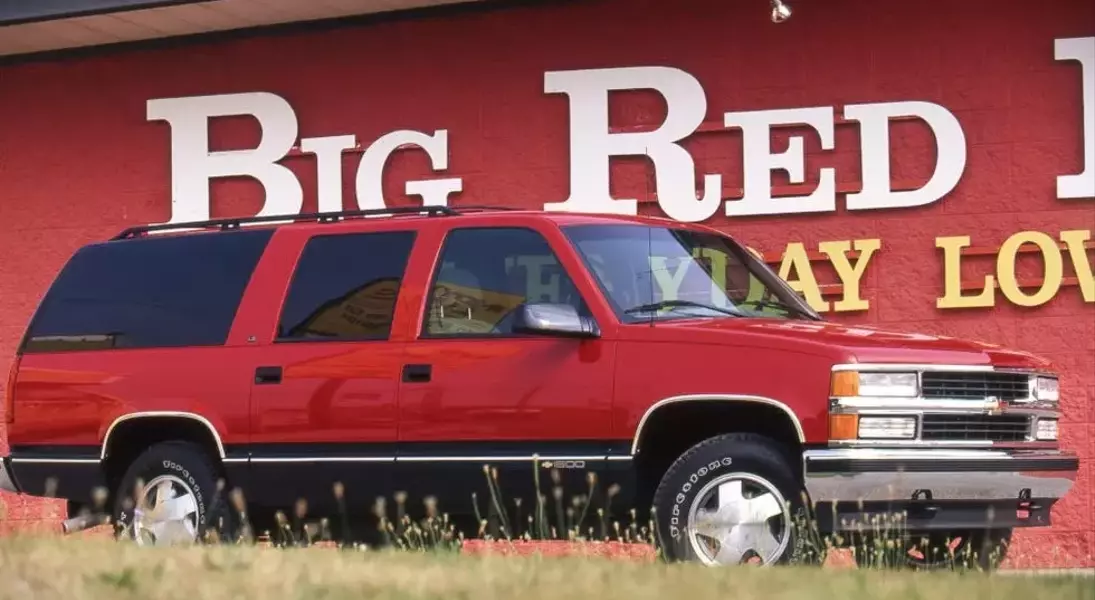
The Chevrolet Suburban, a long-standing presence in the large SUV segment, faced new competition in 1996 with the introduction of the Ford Expedition. The author reflects on a personal childhood experience from 1973, highlighting the Suburban's enduring practicality over flashy aesthetics. Despite its considerable size and utilitarian appearance, the Suburban's appeal grew significantly over the years, tripling its sales since the early 1970s. Its major advantages included a vast cargo area, superior road visibility due to its height, and an impressive towing capacity of up to 10,000 pounds, far surpassing minivans and smaller SUVs. Furthermore, the Suburban demonstrated strong resale value, retaining over 60% of its original cost after five years, a testament to its market demand despite its notable fuel inefficiency of 13 mpg in city driving.
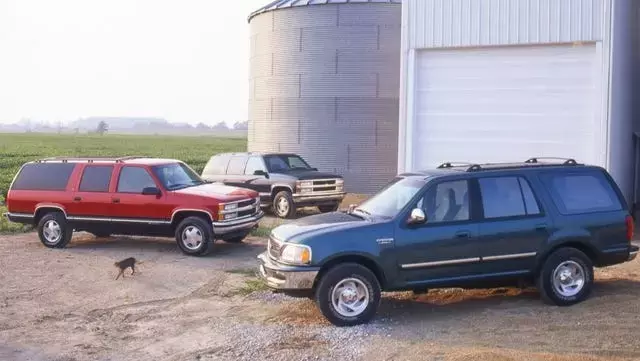
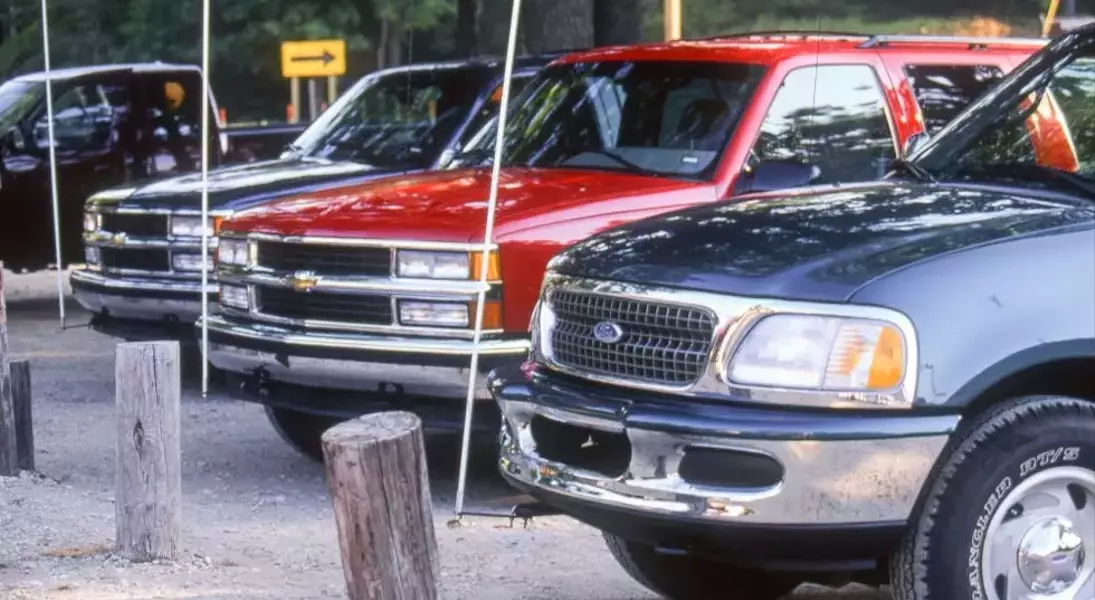
General Motors itself diversified its large SUV offering in 1995 by launching the Chevrolet Tahoe and GMC Yukon, which were essentially shorter versions of the Suburban designed to offer a more car-like driving experience. This move signaled a shift in the market and paved the way for Ford's entry with the Expedition, built on the new F-series truck chassis. For this comparison, the 1997 Ford Expedition was pitted against the 1996 Chevrolet Suburban and Tahoe. Although the 1997 Chevrolet models featured minor updates such as slightly altered horsepower and torque, a passenger-side airbag, and revised steering, these changes were deemed unlikely to sway the test results significantly. All three test vehicles were light-duty, four-wheel-drive models, priced between $32,000 and $36,000.
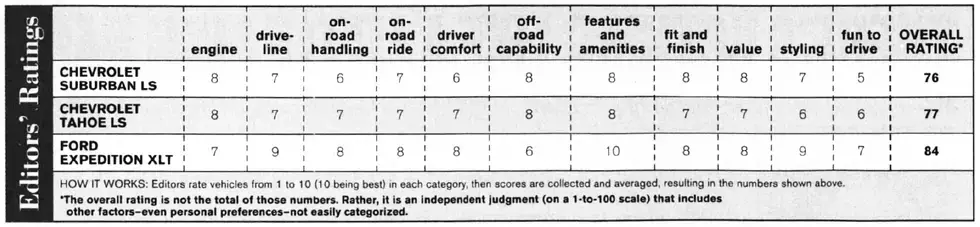
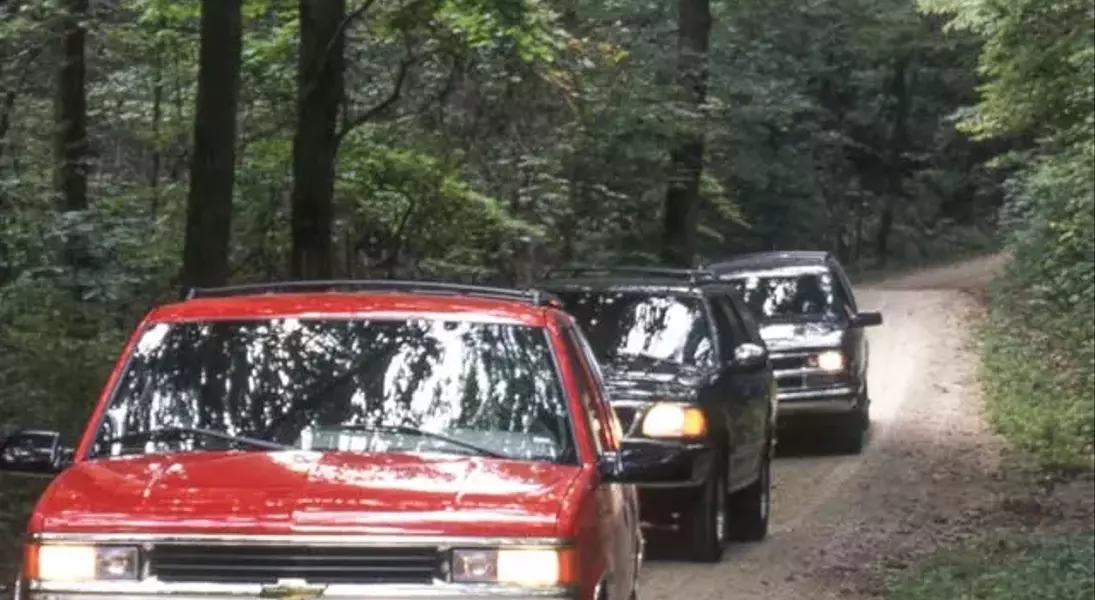
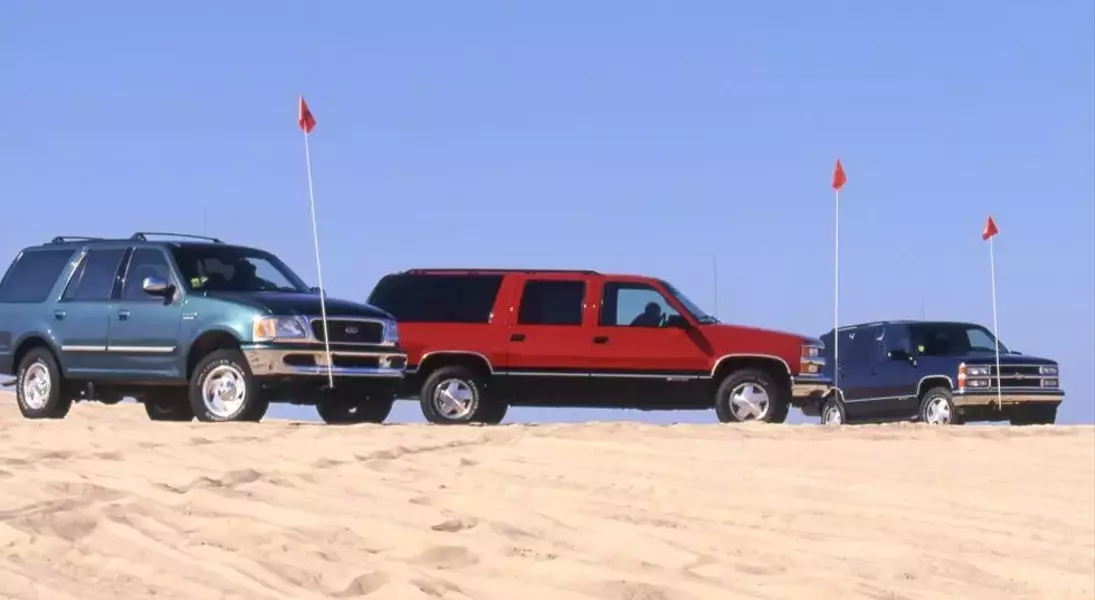
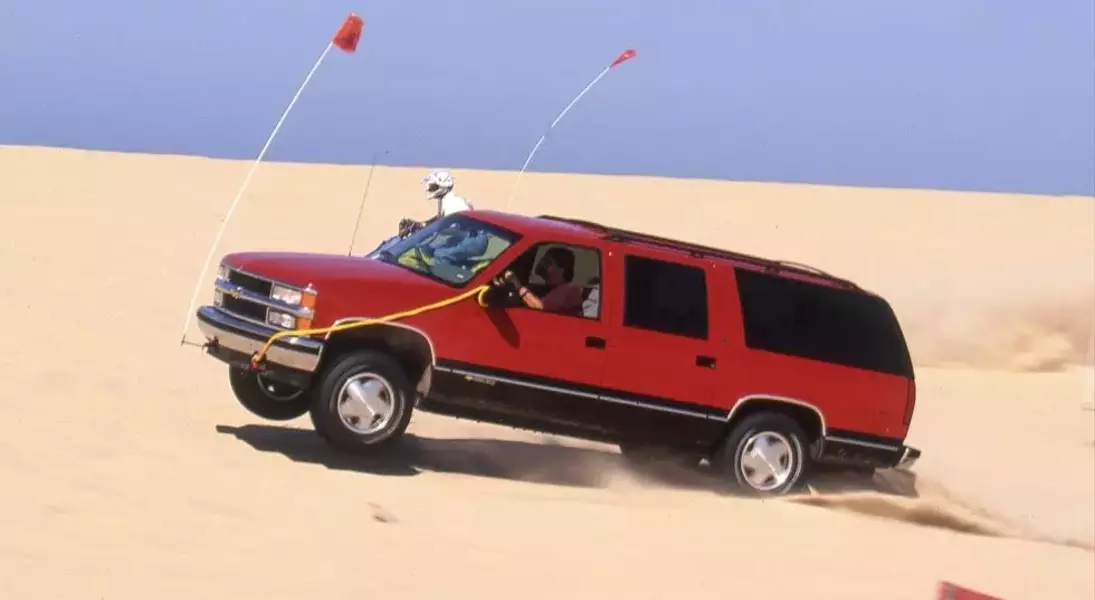
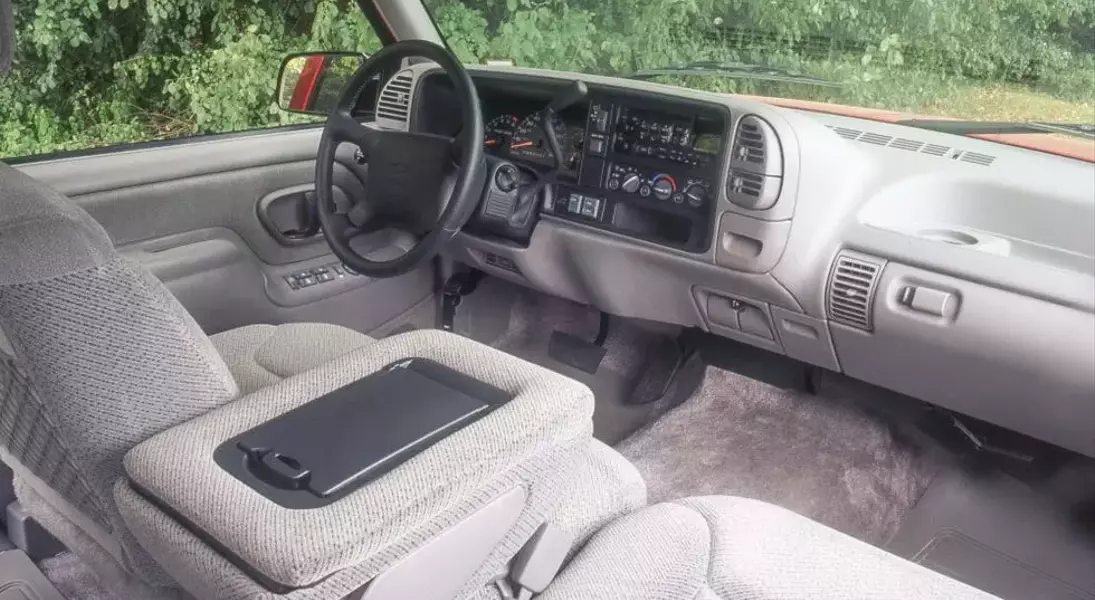
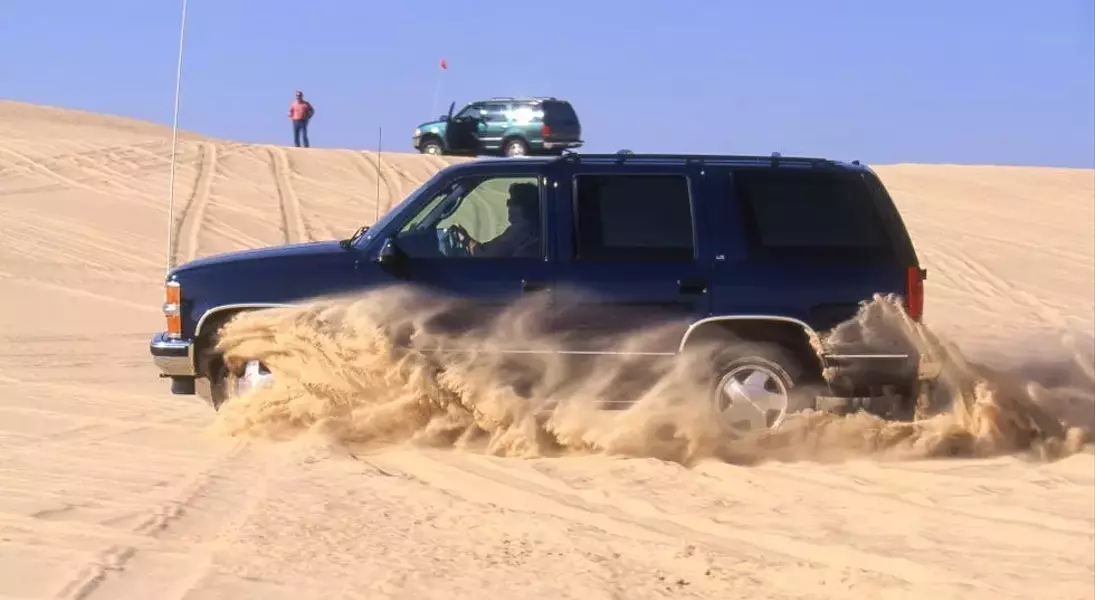
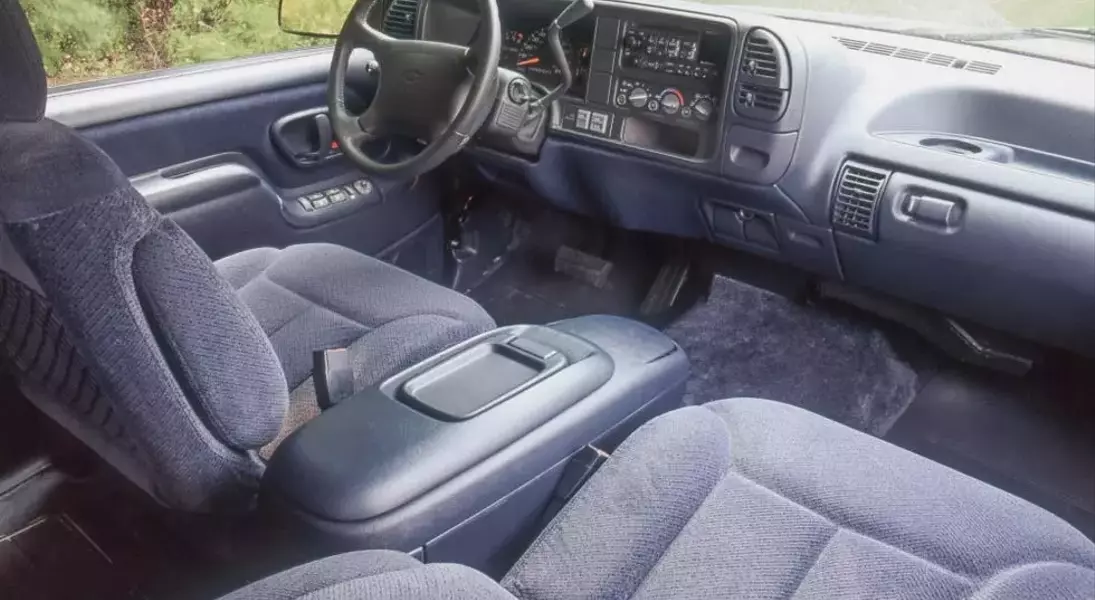
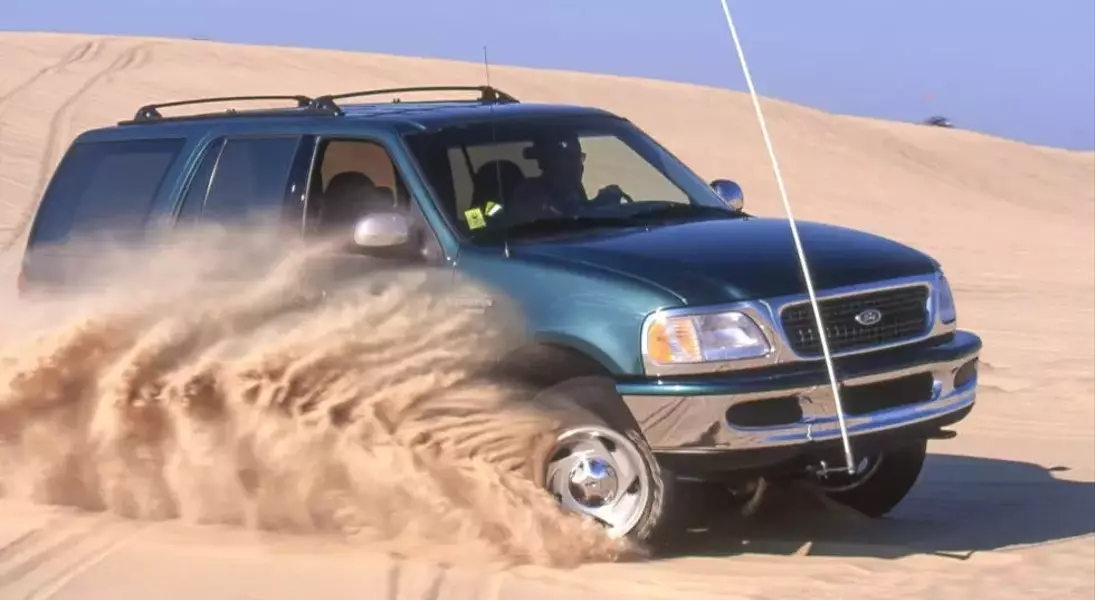
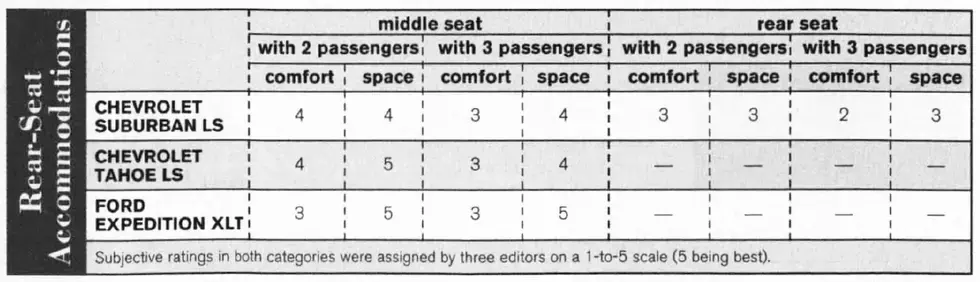
The evaluation journey took the vehicles through the expansive landscapes of Indiana and Ohio, avoiding heavily winding roads to focus on their performance in typical driving conditions for large SUVs. The testing also included light off-roading on the sand dunes of Silver Lake, Michigan. This segment of the test, however, revealed some vulnerabilities: a tire was peeled off the Tahoe's rim, and the preproduction Expedition's four-wheel-drive system malfunctioned. Later, during track tests, the Suburban experienced a brake cylinder failure. Despite these setbacks, the testing provided valuable insights into the vehicles' capabilities and shortcomings. The Suburban, while offering immense interior space and being a capable off-roader, was criticized for its vague steering, occasionally bouncy ride, and uncomfortable seats, making it cumbersome to maneuver, particularly in parking situations. The Tahoe, a more compact version of the Suburban, offered improved maneuverability and quieter ride due to its passenger-car tires, and its engine felt more responsive, making it the quickest of the three in acceleration tests. However, it shared the Suburban's lack of steering feedback and uninspired interior design.
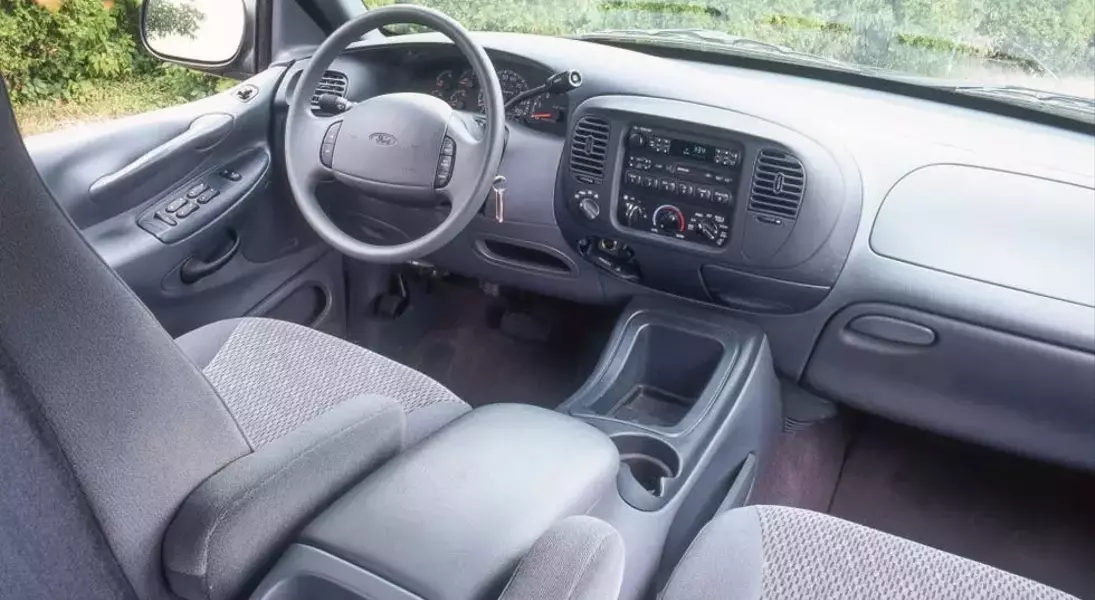
The Ford Expedition emerged as the winner, praised for its car-like handling, minimal body roll, and precise steering, though it faced challenges in emergency lane changes and its four-wheel-drive system proved less reliable off-road than its competitors'. Its bold and memorable styling, combined with a well-designed interior and a host of features like a power driver's seat, rear air conditioning, and a load-leveling suspension, offered a superior blend of characteristics. Despite being slightly less powerful and slower in acceleration than the Tahoe, the Expedition's all-around balance of driving performance, utility, and aesthetic appeal secured its top position.
Ultimately, the Expedition's victory underscored a growing trend in the automotive industry: the integration of advanced technology and car-like refinements into light trucks. This blend offered consumers the utility of a large SUV without compromising on a pleasant driving experience. The Expedition’s thoughtful design and feature set provided a well-rounded package that resonated strongly with the evaluators, proving that even in the realm of robust utility vehicles, precision and comfort could lead the way.
